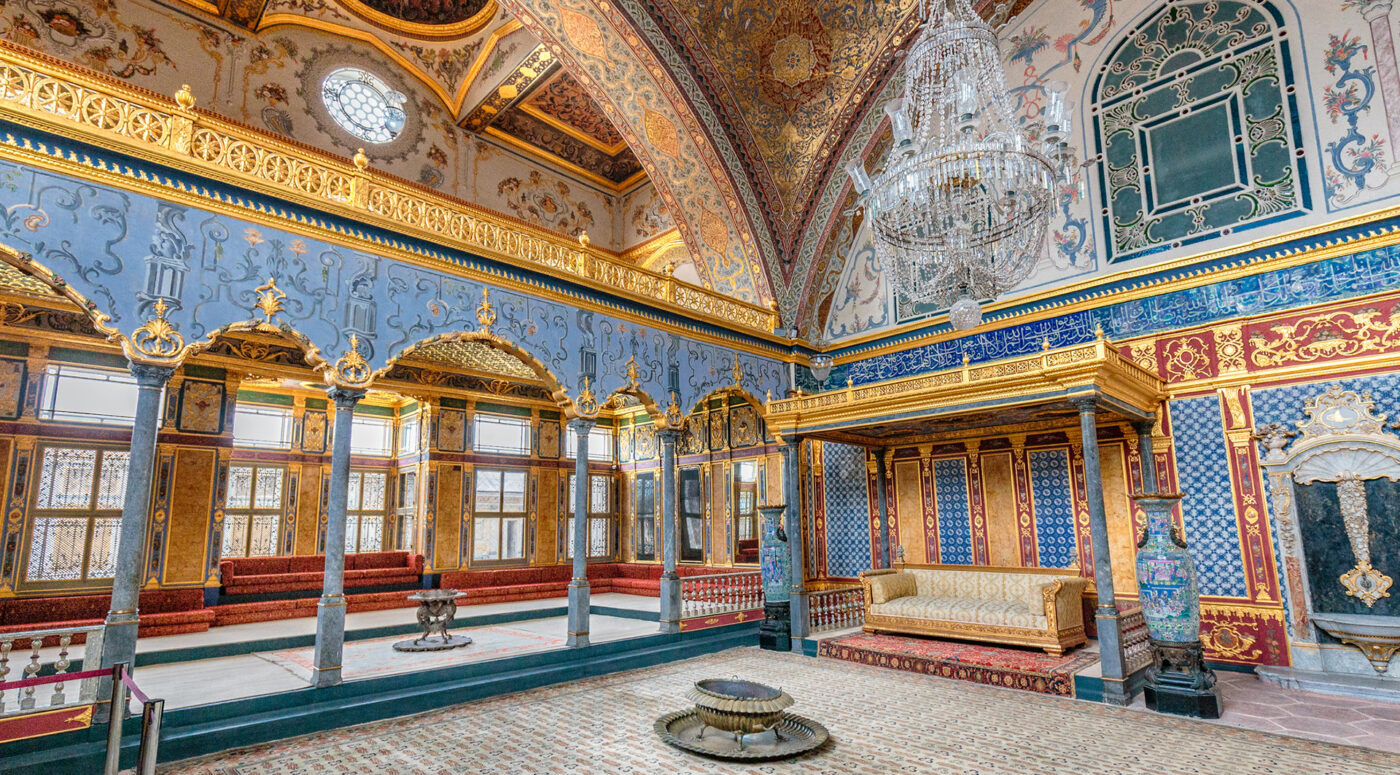
Istanbul is not a city of one past, but many. Once known as Byzantium, then Constantinople, and now Istanbul, it has served as the capital of three great empires—Roman, Byzantine, and Ottoman. Each left behind layers of architecture, culture, and urban design that continue to shape the city today.
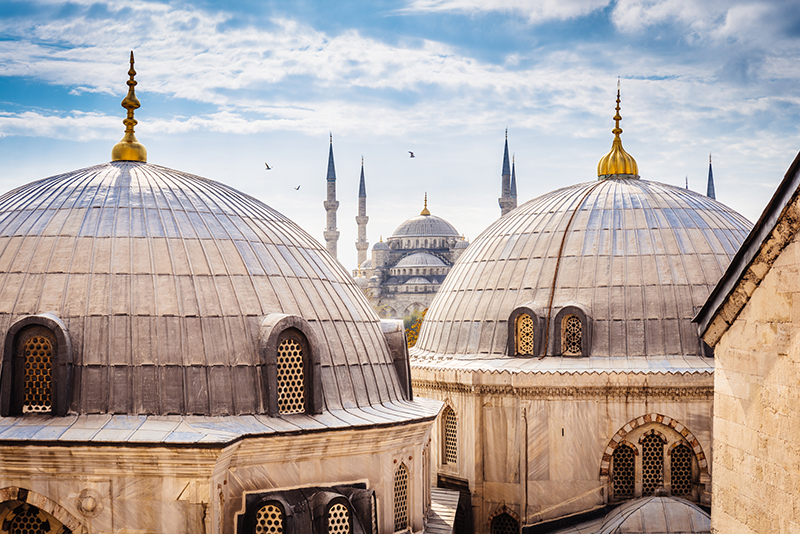
What makes Istanbul unique is not just the presence of these monuments, but how seamlessly they exist within modern life. A tram passes beside ancient walls, cafés open next to centuries-old mosques, and daily routines unfold against a backdrop of imperial history. Nowhere is this more evident than on foot.
Walking through Istanbul reveals a living legacy—where each step connects eras that span thousands of years. These three routes offer some of the most immersive ways to experience how empires meet, overlap, and continue to define the city’s identity.
SULTANAHMET TO HAGIA SOPHIA
From Roman Arena to Byzantine Masterpiece
Begin in Sultanahmet Square, once the Hippodrome of Constantinople, where chariot races and public gatherings defined Roman civic life. Today, fragments of that era remain—the Obelisk of Theodosius and the Serpent Column—standing quietly amid a modern public space.
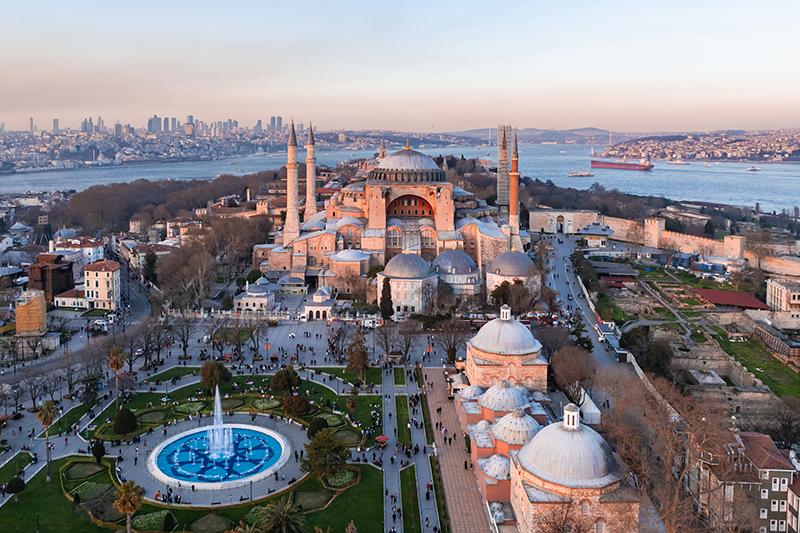
From here, the walk leads naturally to Hagia Sophia, one of the most significant architectural achievements of the Byzantine Empire. Originally built as a cathedral in the 6th century, it later became a mosque under Ottoman rule and continues to serve as a place of worship today.