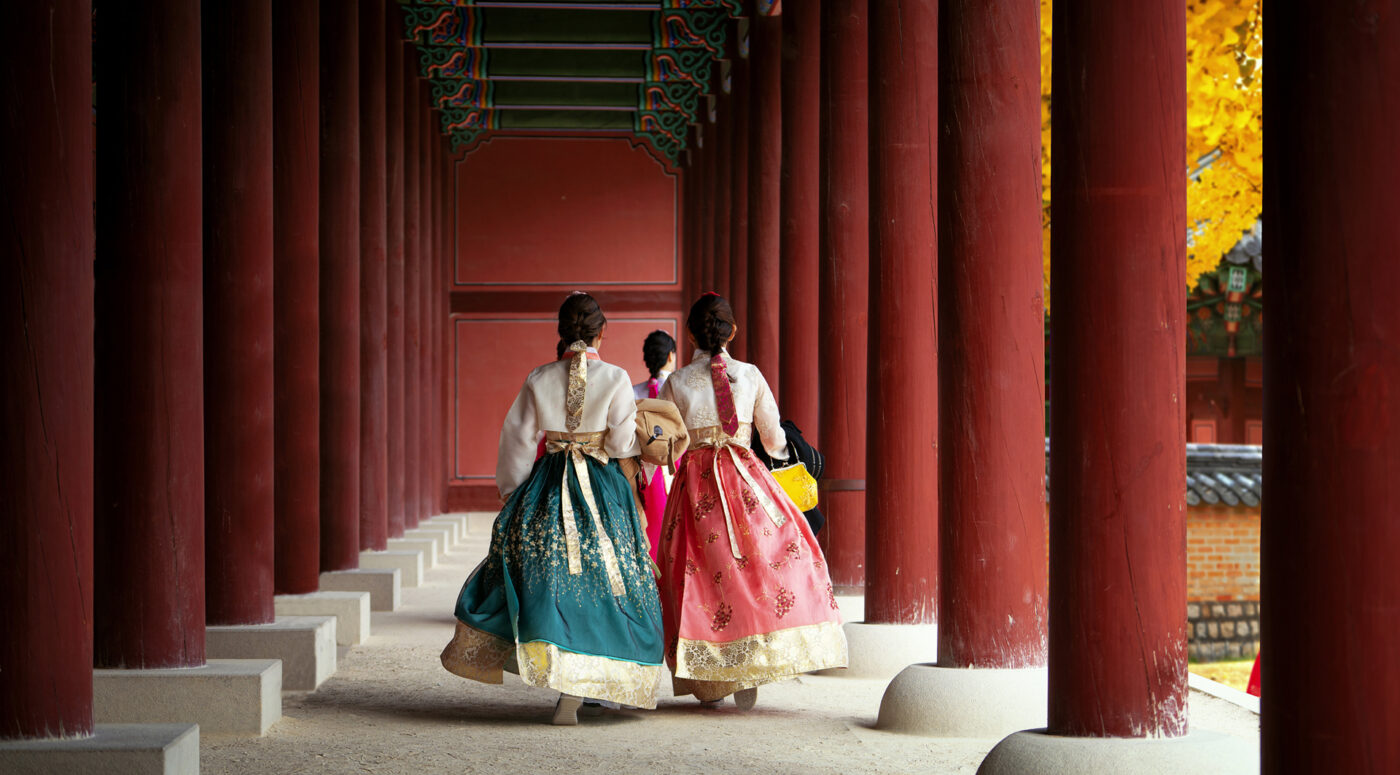
South Korea is often celebrated for its global cultural influence. K-pop, Korean cinema, fashion, and beauty trends have transformed the country into one of the world’s most influential cultural exporters. Yet beneath this contemporary energy lies a much older story—one shaped by the Joseon Dynasty, which ruled the Korean Peninsula for more than five centuries.
What makes modern Korea so compelling is the way these different eras coexist. Royal palaces stand against skylines filled with glass towers, traditional crafts survive alongside digital innovation, and centuries-old customs continue to inspire contemporary art, music, and design. Rather than existing in separate worlds, heritage and modern culture often intersect in unexpected ways.
For a deeper look at Korea, these four destinations offer a front-row seat to a culture in motion. It’s a place where old royal traditions don’t just exist alongside modern creativity—they actively shape it.
THE HEART OF JOSEON KOREA
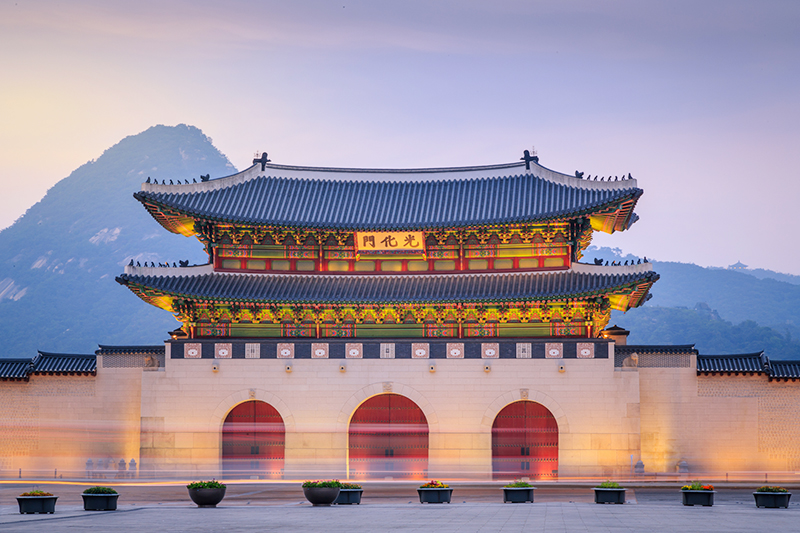
Gyeongbokgung Palace, Seoul
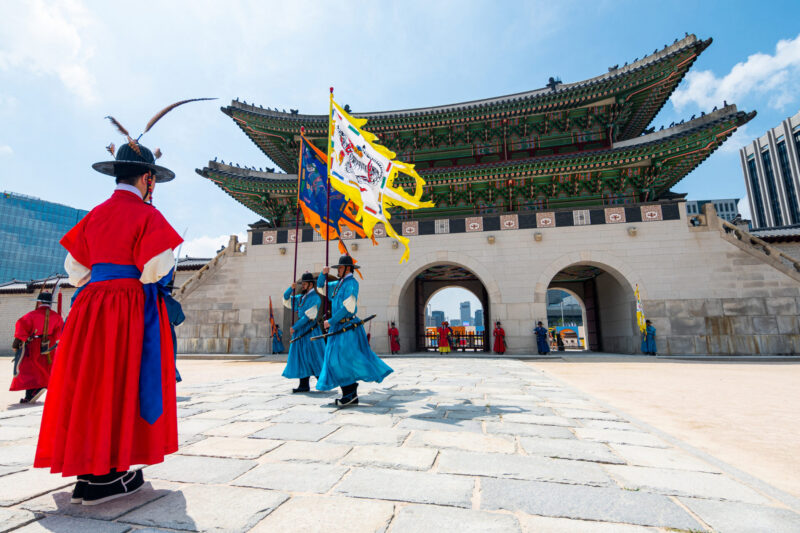
Few places illustrate Korea’s historical foundations more clearly than Gyeongbokgung Palace. Originally built in 1395, it served as the principal royal palace of the Joseon Dynasty and remains one of the country’s most significant cultural landmarks.
Visitors can walk through grand gates, elegant courtyards, and beautifully restored halls that once housed kings, scholars, and government officials. The changing-of-the-guard ceremony offers a glimpse into royal traditions, while the surrounding grounds provide insight into the architectural principles that shaped Joseon governance.
Yet beyond the palace walls, modern Seoul unfolds in every direction. The contrast between ancient architecture and contemporary city life makes Gyeongbokgung a powerful introduction to Korea’s layered cultural identity.
TRADITIONAL STREETS IN A MODERN CAPITAL
Bukchon Hanok Village
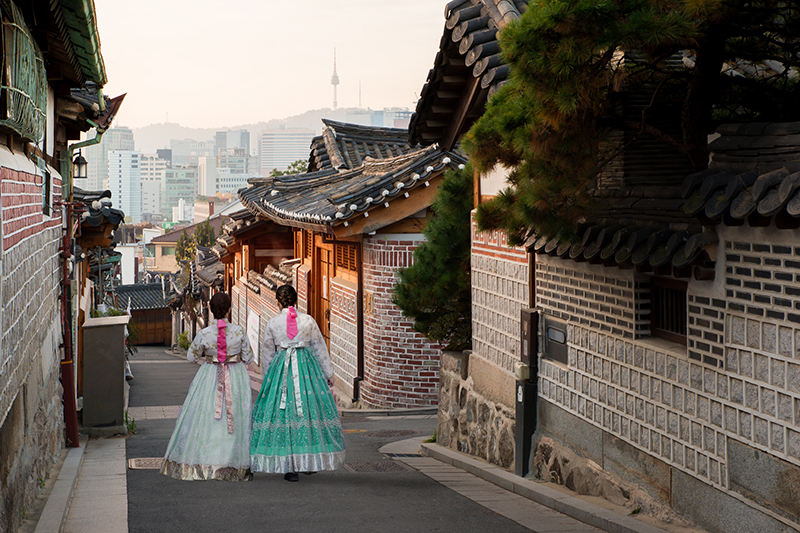
Situated between Gyeongbokgung Palace and Changdeokgung Palace, Bukchon Hanok Village preserves hundreds of traditional Korean homes known as hanok. These narrow streets offer one of Seoul’s most atmospheric glimpses into the city’s past.