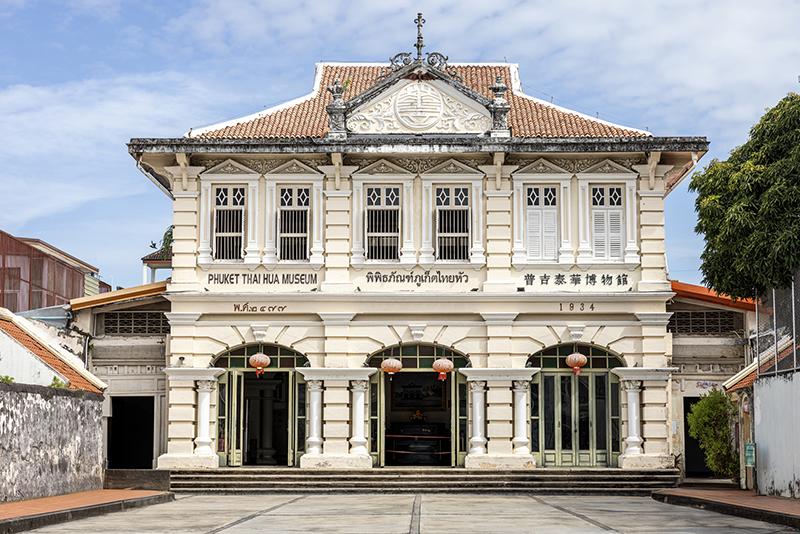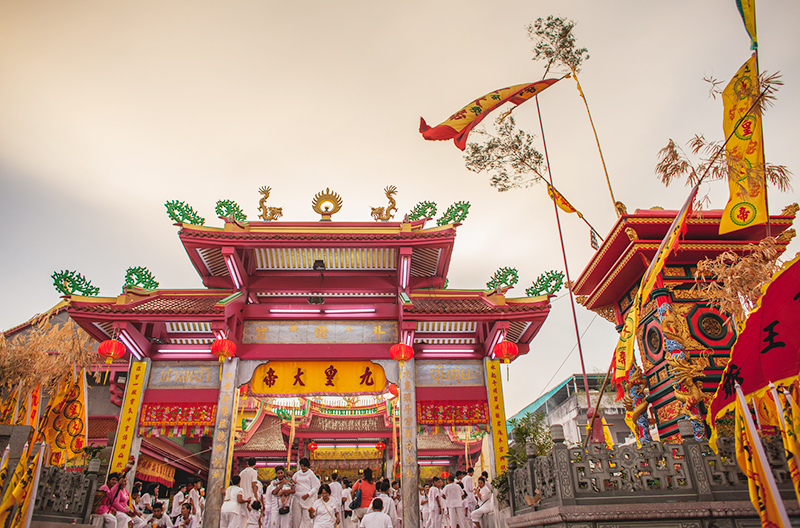
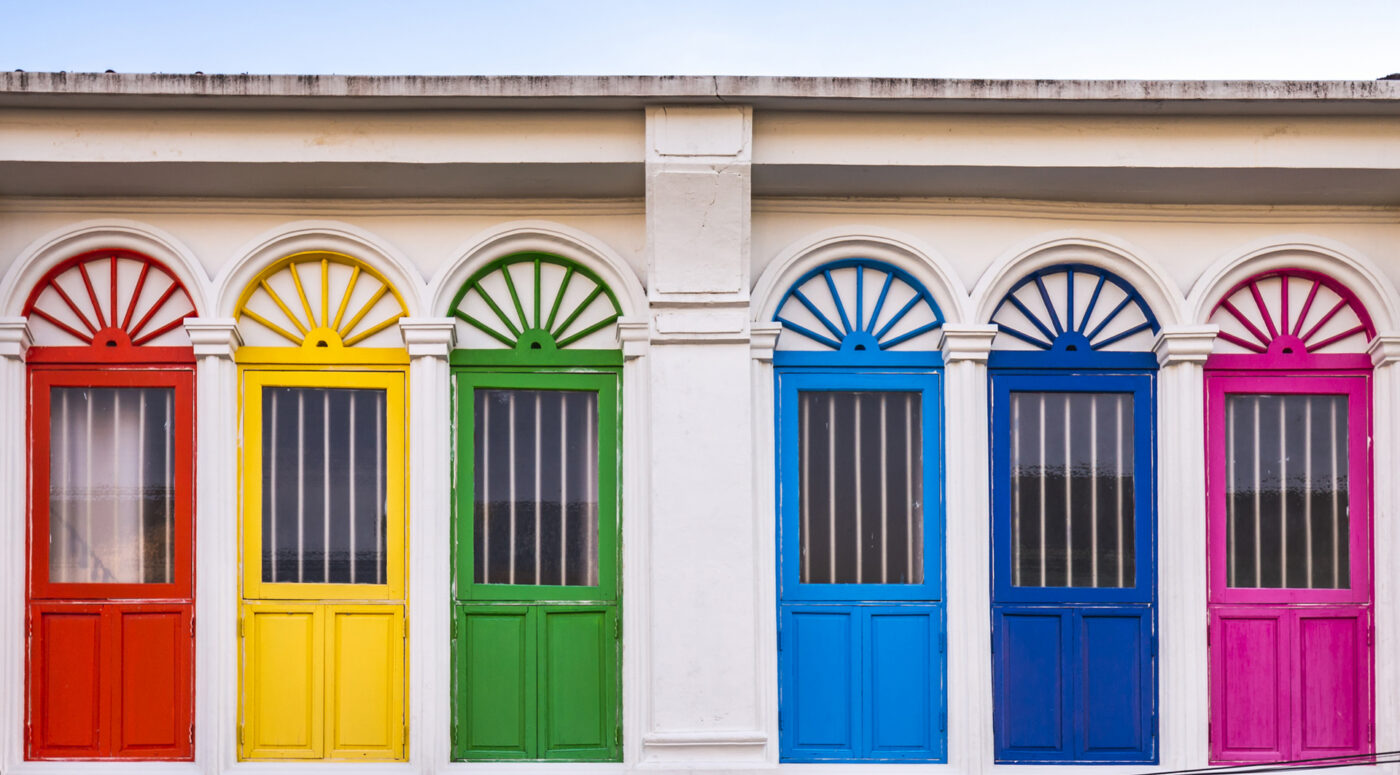
Phuket is often celebrated for its turquoise waters and tropical scenery, yet the island’s cultural story runs far deeper than its coastline. During the 19th century, Phuket prospered as a major tin-mining center, attracting Chinese immigrants, European traders, and entrepreneurs who helped shape the island’s identity. The result was a unique blend of architectural styles, culinary traditions, and customs that continue to define Phuket today.
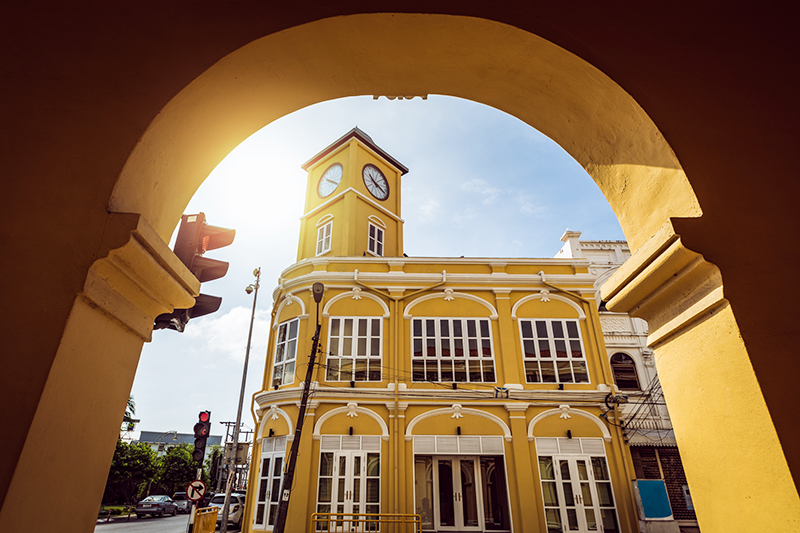
Nowhere is this legacy more visible than in Phuket Old Town and its surrounding neighborhoods. Colorful shophouses, ornate temples, historic mansions, and bustling markets reveal a cultural landscape where East and West have intertwined for generations. Walking through these streets feels like stepping into a living archive of the island’s past.
For travelers seeking to understand Phuket beyond its resorts and beaches, these six destinations offer a fascinating journey into the island’s Sino-Portuguese soul.
THE HEART OF PHUKET OLD TOWN
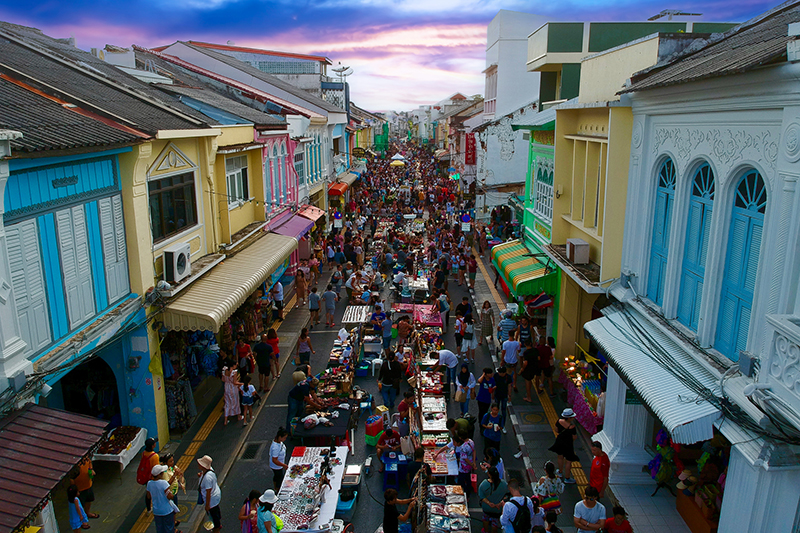
Thalang Road
The story of Phuket’s Sino-Portuguese heritage often begins on Thalang Road. Lined with beautifully restored shophouses painted in pastel shades, the street showcases the architectural style that emerged during Phuket’s tin-mining boom.
Decorative arches, wooden shutters, and intricate stucco details reflect both European and Chinese influences. Today, many of these historic buildings house cafés, galleries, boutiques, and family-run businesses, ensuring that the street remains an active part of community life.
A leisurely walk along Thalang Road offers an introduction to the architectural character that has become synonymous with Phuket Old Town.
FROM HISTORIC ALLEY TO CULTURAL LANDMARK
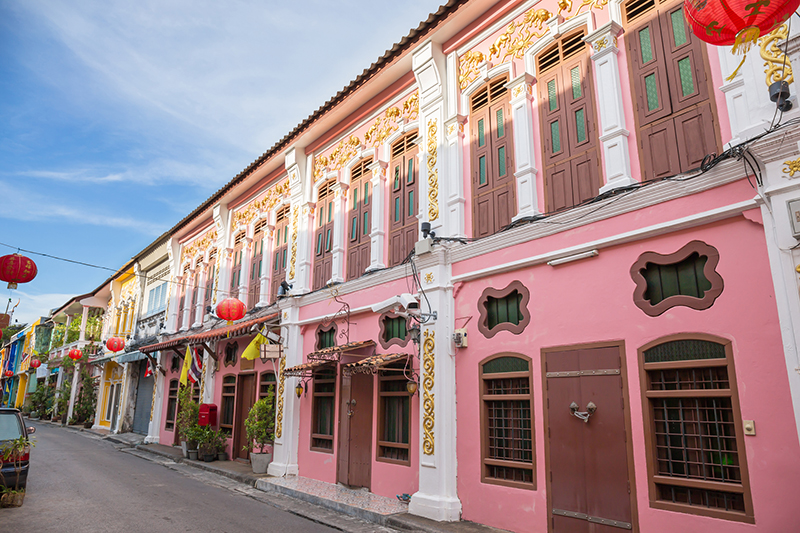
Soi Rommanee
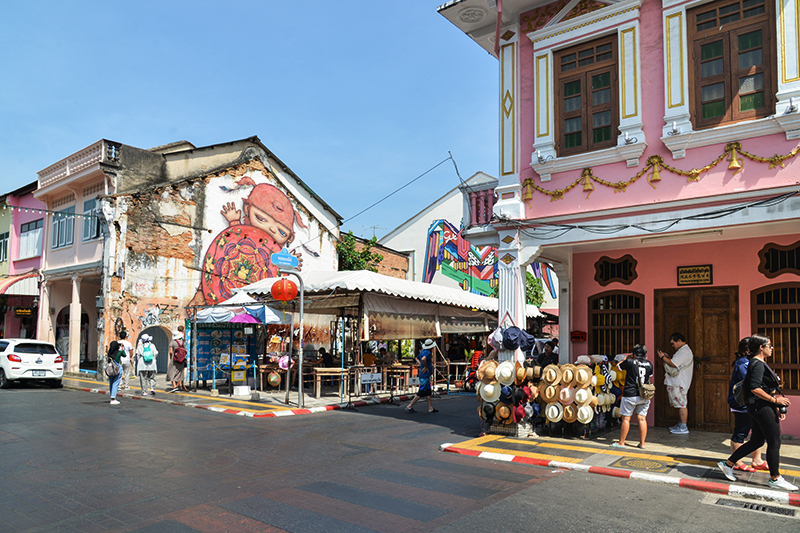
Just off Thalang Road lies Soi Rommanee, one of the most photographed streets in Phuket. Once known for a very different reputation during the island’s mining era, the lane has been transformed into a charming pedestrian-friendly street filled with heritage buildings and colorful façades.
The narrow alley provides a glimpse into everyday life within Phuket’s historic quarter. Lanterns hang above the street, small cafés welcome visitors, and the restored architecture highlights the care taken to preserve the district’s unique character.
Its compact scale and vibrant atmosphere make it one of the most accessible windows into Phuket’s multicultural past.
A GLIMPSE INTO PHUKET’S ELITE PAST
Chinpracha House
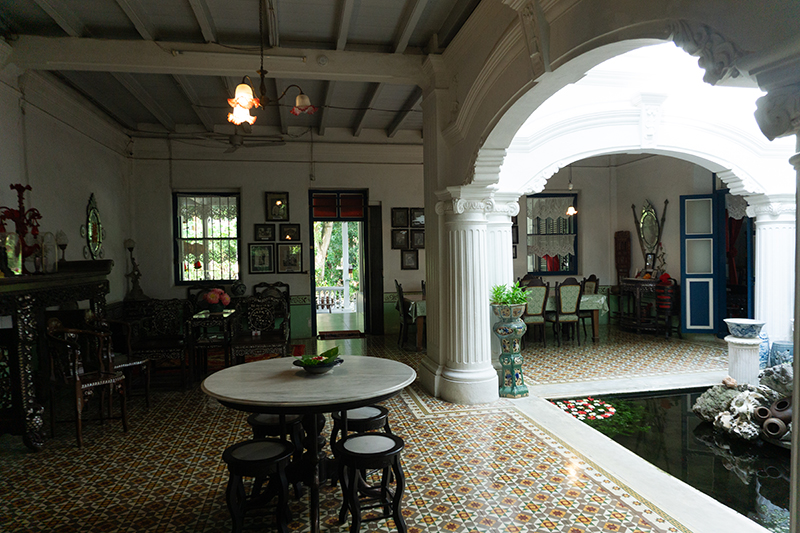
Built in 1903, Chinpracha House & Museum is one of the finest examples of a Sino-Portuguese mansion on the island. Constructed by a wealthy tin-mining family, the residence reflects the prosperity that transformed Phuket during the late 19th and early 20th centuries.