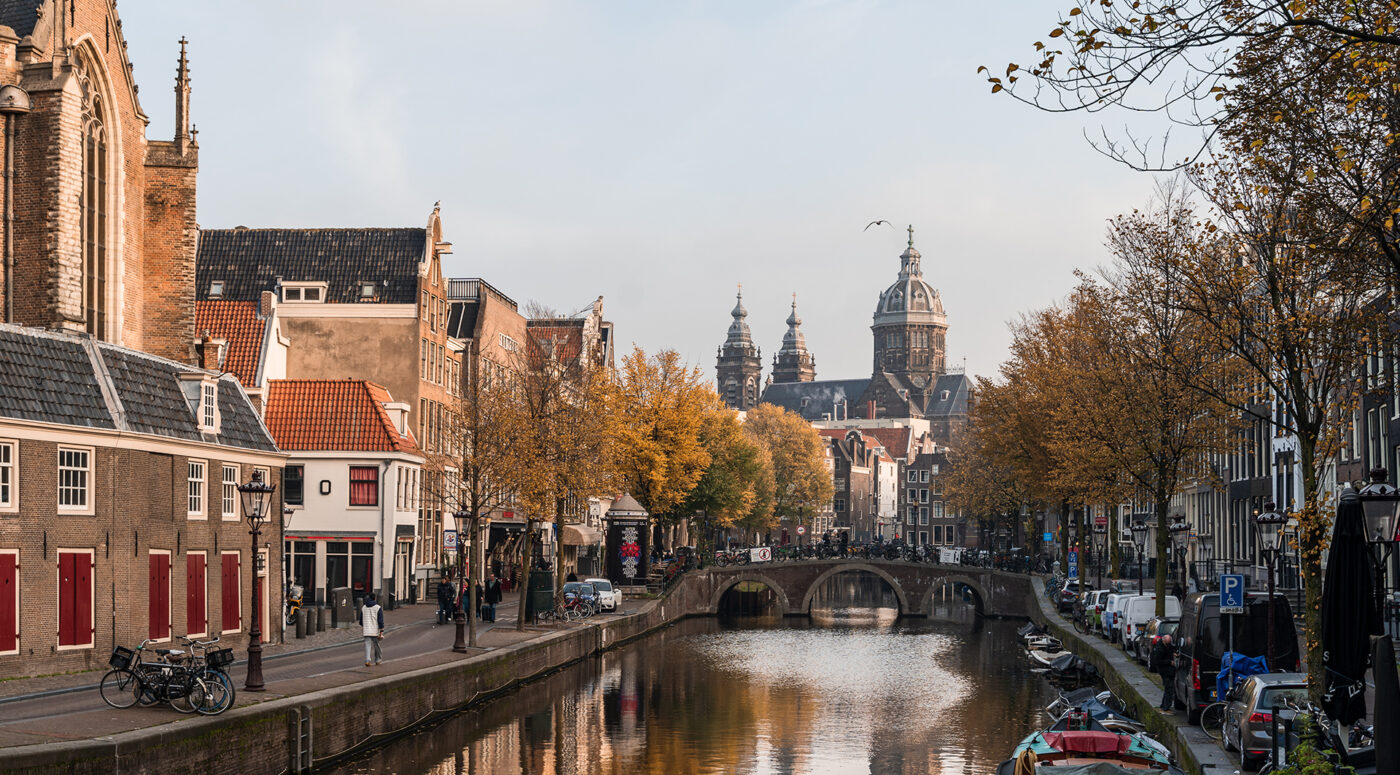
The Netherlands may be compact in size, but its cultural influence has been anything but small. For centuries, Dutch artists, merchants, scientists, and explorers helped shape the course of European history, leaving behind a remarkable legacy that can still be experienced today. Amsterdam serves as the perfect gateway into this story, with its grand museums, elegant canals, and vibrant neighborhoods offering an introduction to the country’s artistic and intellectual achievements. Beyond the capital, historic cities such as Delft and The Hague reveal even more masterpieces, charming streetscapes, and enduring traditions. This carefully planned itinerary combines iconic highlights with local discoveries, making it an ideal introduction to one of Europe’s most rewarding destinations.
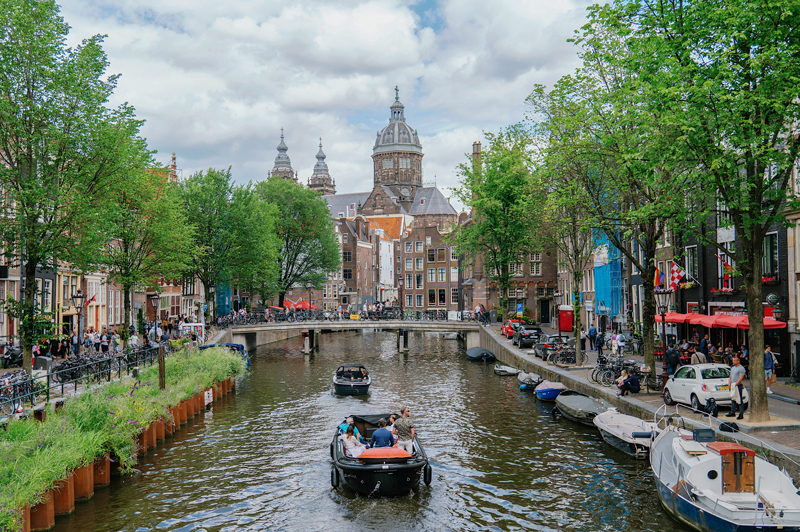
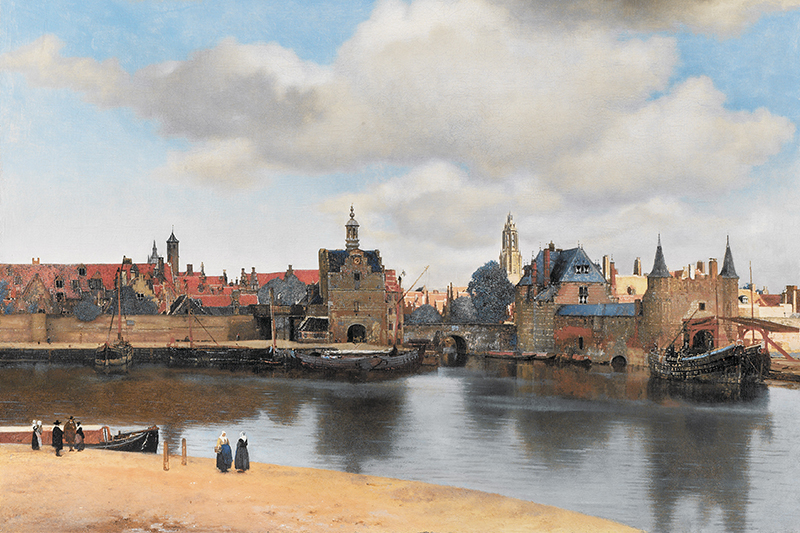
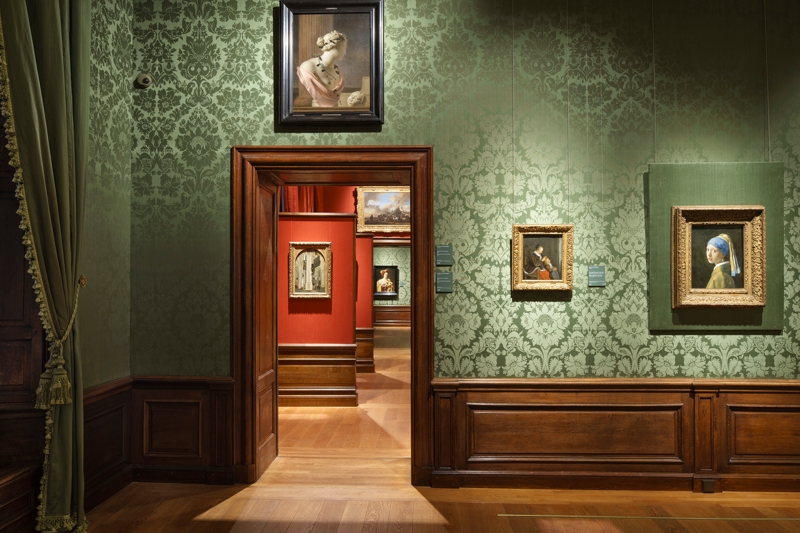
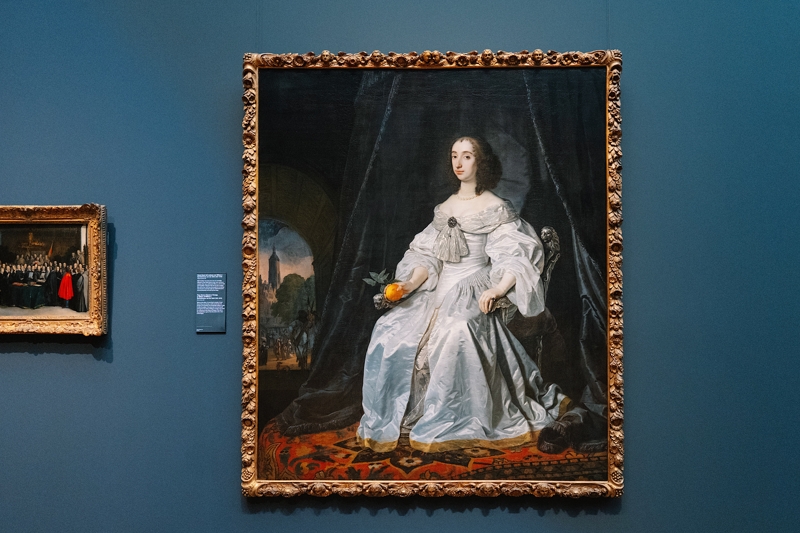
The 17th century was the Dutch Golden Age. The Netherlands was at the center of European commerce and culture, science, and industry. The economy was booming. Ships from the Dutch East India Company brought spices, silks, Turkish carpets, and Ming vases to decorate homes. Calvinist preachers fulminated against the evil of money, but luxury fever reigned. The era’s greatest Dutch painters, including Johannes Vermeer, Jan Steen, and Rembrandt van Rijn, were keen chroniclers of this period. As a result, the best way to start an art-focused trip to Amsterdam is by surveying the many masterpieces they gifted to humanity.
DAY 1
A morning of masterpieces
At the Rijksmuseum (Daily: 09:00-17:00), 8,000 objects tell the story of 800 years of Dutch art and history, but most people come to see 17th century paintings. Plan to spend half a day. You’ll have to jostle crowds to get a glimpse of Rembrandt’s The Nightwatch, but it’s certainly worth it. The epic painting has been called the first “photograph” because of the artist’s unprecedented chiaroscuro technique creating a sense of depth and movement.
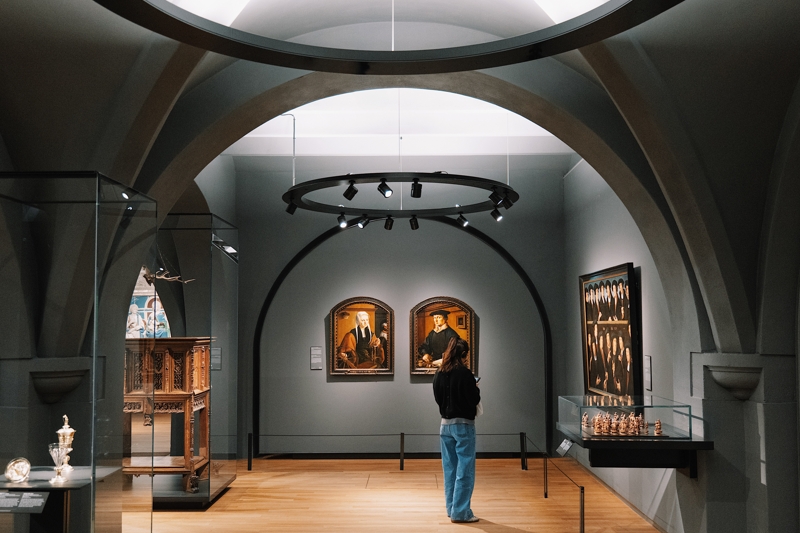
“Genre” paintings of the Golden Age celebrated domestic interiors. These beckon us into living rooms or kitchens to see a suspended moment of a day. The undisputed master was Vermeer; you can see four of his works at the Rijksmuseum – The Milkmaid, The Little Street, Woman Reading a Letter and The Love Letter – each an extraordinary rendering of texture, shadow, and light. He was not a prolific artist; only about 40 paintings of his exist, which makes viewing a ‘Vermeer’ truly special.
You also won’t want to miss the Asian Pavilion, which houses the Rijksmuseum’s rich collections from Thailand, China, Japan, Indonesia, India, and Vietnam.
It’s not much of a stretch to imagine yourself in the Dutch Golden Age as you walk out onto Amsterdam’s streets. Modern day trappings aside, it’s amazing how little parts of the city have changed since the 17th century. The best place to wander is the Jordaan, a charming neighborhood lined with narrow canal houses, some tilting after centuries on wooden stilts. You’ll see that Amsterdam is not about the grand monument but about experiencing daily life in a city built below sea level.
When you’re ready for a break, head to historic Café Papeneiland (Daily: 10:00-1:00) on the picturesque Prinsengracht canal. The café opened in 1642, the same year Rembrandt painted The Nightwatch. It’s full of atmosphere, with walls stained brown from centuries of tobacco smoke. Order a Broodge, or Dutch sandwich, and a piece of their mile-high apple tart.
You’ll feel even closer to Rembrandt stepping into The Rembrandt House. The artist lived and worked here for almost 20 years. If it’s a sunny afternoon, book the museum’s one-hour open Boat Tour that takes you through Rembrandt’s Amsterdam

In the evening, reserve a table at Restaurant Blauw (Sun-Thurs: 17:00-22:00; Fri-Sat: 17:00-22:30) for a delicious Indonesian Rijsttafel, shareable small plates like beef rendang and chicken satay. Indonesian food is part of Amsterdam’s culinary tradition. As in many places, it should be acknowledged that it arrived through a colonial pathway.
DAY 2
Van Gogh, engineering feats, and Tulipmania
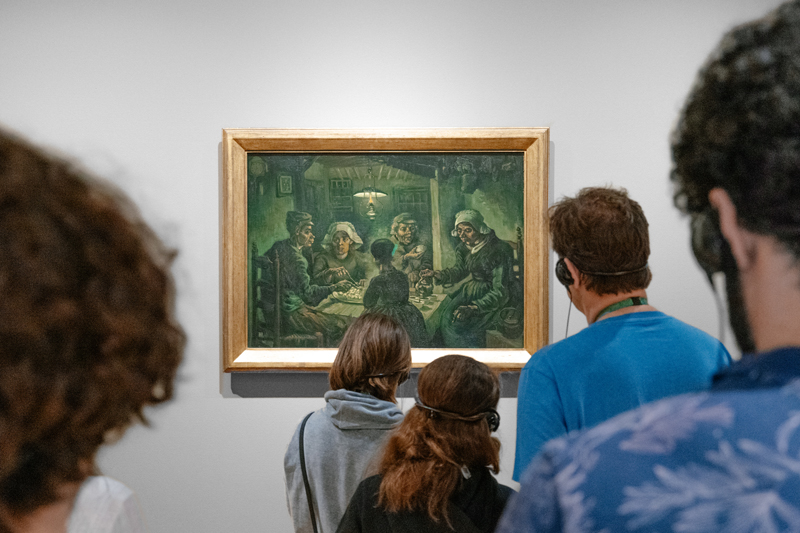
What would Vincent Van Gogh think of his titular museum being the most visited in the Netherlands? In his lifetime the artist famously never sold a painting and lived a tormented existence, as seen in his signature, anguished brush strokes.