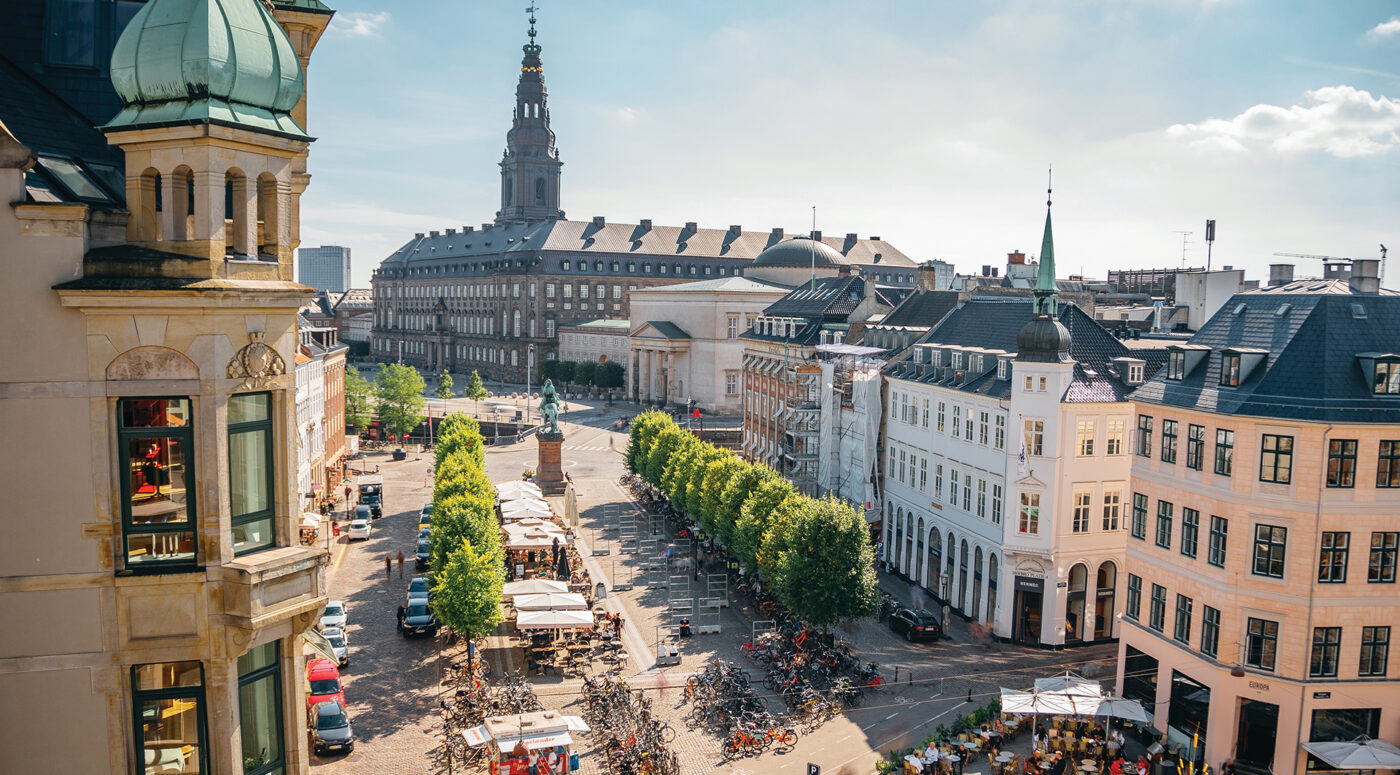
Copenhagen has quietly established itself as one of the world’s most liveable cities, where the environmental awareness is not treated as an initiative, but as a way of life. Looking from the cycling culture and clean waterways to thoughtful architecture and seasonal cuisine, the Danish capital offers a model of how modern cities can evolve without losing their human scale. Over the course of three days, visitors can experience a place where design meets responsibility, and where even the smallest daily choices reflect a broader commitment to the environment. This itinerary traces a path through historic quarters, creative neighborhoods, and culinary landmarks – revealing a city that feels both progressive and deeply grounded.
In the global conversation on sustainability, few capitals speak with the quiet authority of Copenhagen. Here, environmental stewardship is not a slogan but a civic principle – woven into urban planning, public transport, gastronomy, and even the visitor economy. The city is the birthplace of CopenPay, an inspired scheme that rewards travelers for conscious choices – their decision to cycle instead of drive, to linger longer, or to participate in community initiatives – with privileges ranging from museum entries to culinary treats. In Copenhagen, travel is a reciprocal act – one arrives not merely to consume, but to contribute.
DAY 1
Wander around the old town district
A considered journey begins at the airport. Forgoing a private transfer in favor of the metro is more than a practical decision – it is a small but meaningful gesture towards reducing emissions tally. The M2 line glides efficiently into Kongens Nytorv, gateway to Indre By, the city’s historic heart.
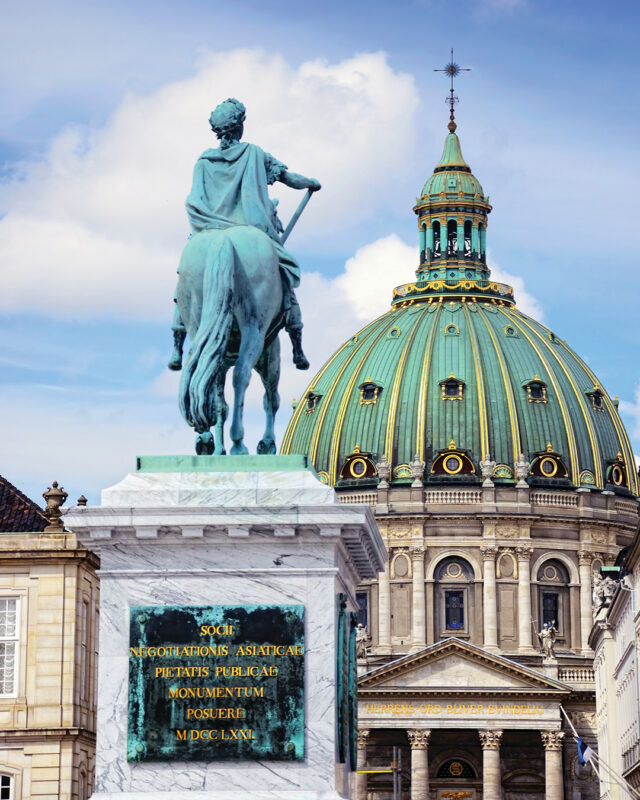
A short stroll leads to Amalienborg Palace, the 18th-century residence of the Danish royal family. At noon, the ceremonial changing of the guard unfolds with measured pageantry against a backdrop of restrained Rococo elegance.
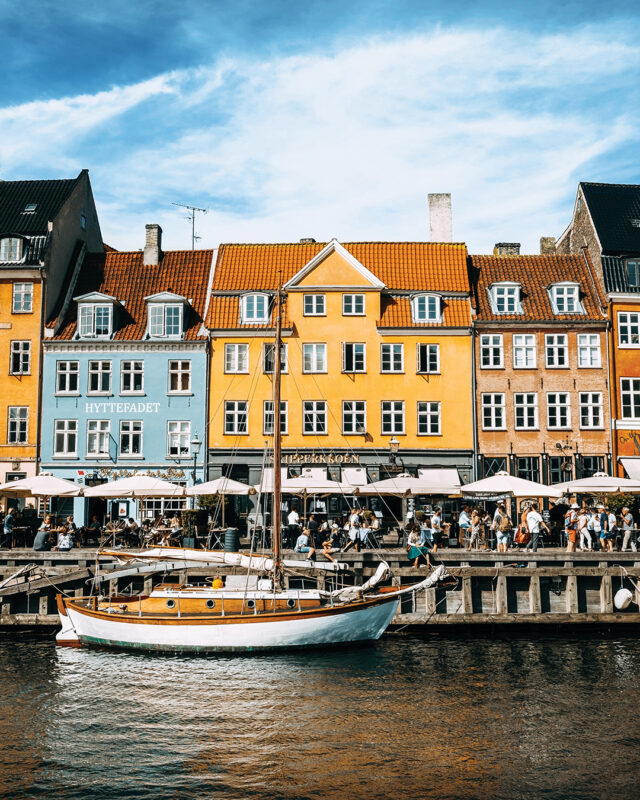
From here, wander towards Nyhavn, once a bustling mercantile port of the 17th century and now an idyllic canal framed by brightly painted townhouses. Sailors and traders once lodged here, as did the beloved storyteller Hans Christian Andersen. Today, the harbor hums with cafes and restaurants, its facades reflected in the water like a perfectly composed postcard.
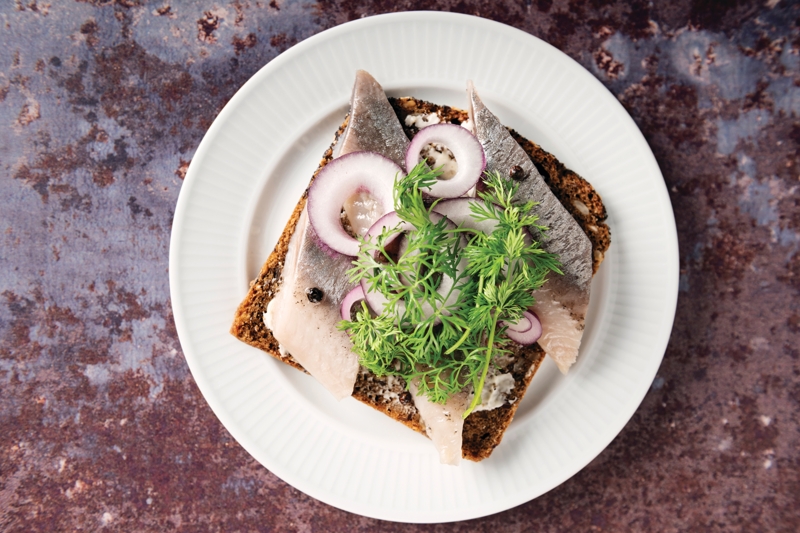
For lunch, reserve a table at Schønnemann, a venerable institution serving exemplary Smørrebrød for over 150 years. These artfully composed open-faced sandwiches – layered with pickled herring, delicate shrimp, or roast meats atop dense rye – are less a meal than an edible archive of Danish culinary heritage.
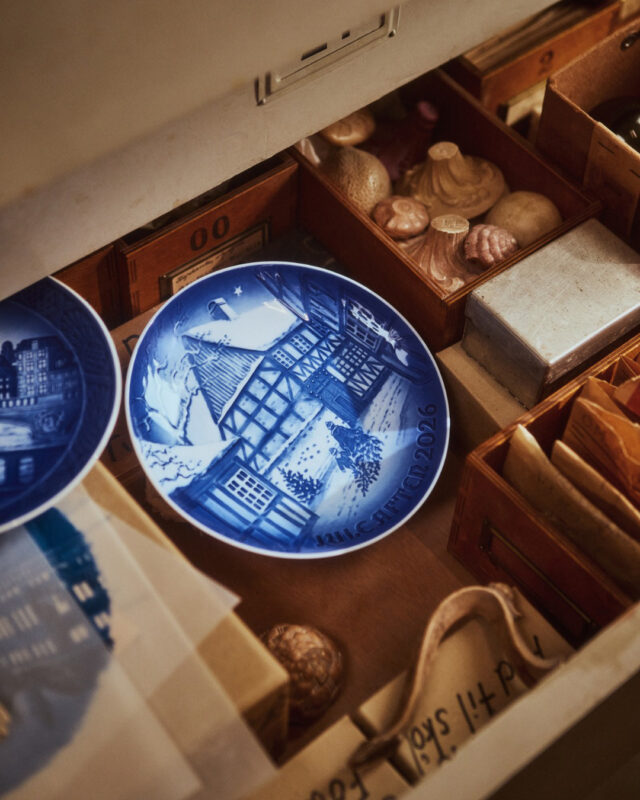
In the afternoon, step into the Renaissance splendor of Rosenborg Castle, where the Danish crown jewels and royal regalia gleam beneath vaulted ceilings. As evening falls, drift along Strøget, one of Europe’s longest pedestrian avenues, and pause at the flagship boutique of Royal Copenhagen, purveyor of porcelain so refined it borders on heirloom art.
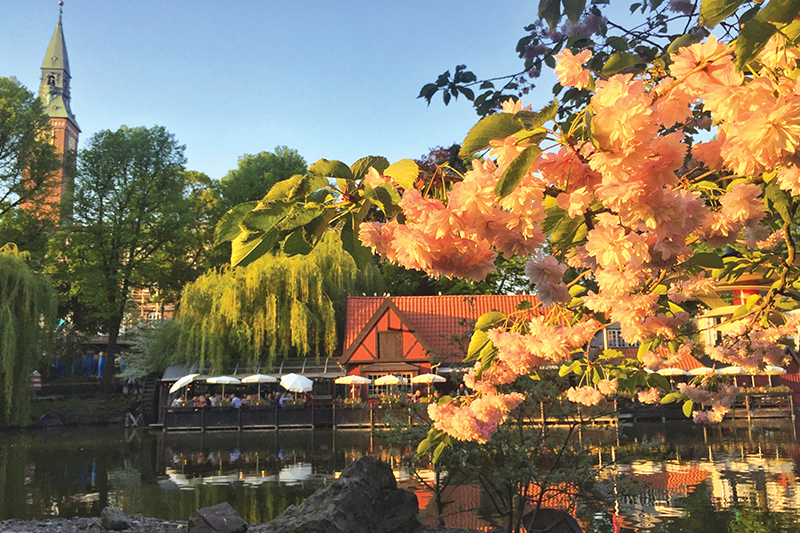
If energy permits, conclude the evening at Tivoli Gardens. Opened in 1843, this storied amusement park marries nostalgic charm with theatrical illumination – a fitting overture to the days ahead.
DAY 2
Urban sustainability & creative energy
Copenhagen’s sustainability narrative is inseparable from its creative spirit. Begin the morning in Freetown Christiania, the self-proclaimed autonomous enclave founded in the early 1970s. Here, murals bloom across walls, handmade houses lean at whimsical angles, and street art and ideology intertwine in a living experiment in alternative community.