Delhi rewards a little curiosity and a willingness to give it time. Around Connaught Place, a day can move from a museum gallery to a textile shop, then on to a restaurant that generations of families have returned to. Grand hotels and everyday markets sit within reach of one another, each revealing a different part of the capital’s character. Drawing on her experience of the city, Thai diplomat Marcie Kunnawattana shares the addresses and neighbourhood details that make a longer stay worthwhile.
Delhi has a reputation for being an airport layover before the Taj Mahal, or a gateway to Agra and Rajasthan’s palaces. But honestly? Delhi deserves better than a rushed detour. It is a living crossroads where old history and everyday ritual share the same streets with modern reinvention, and where spirituality doesn’t always look like incense and silence.
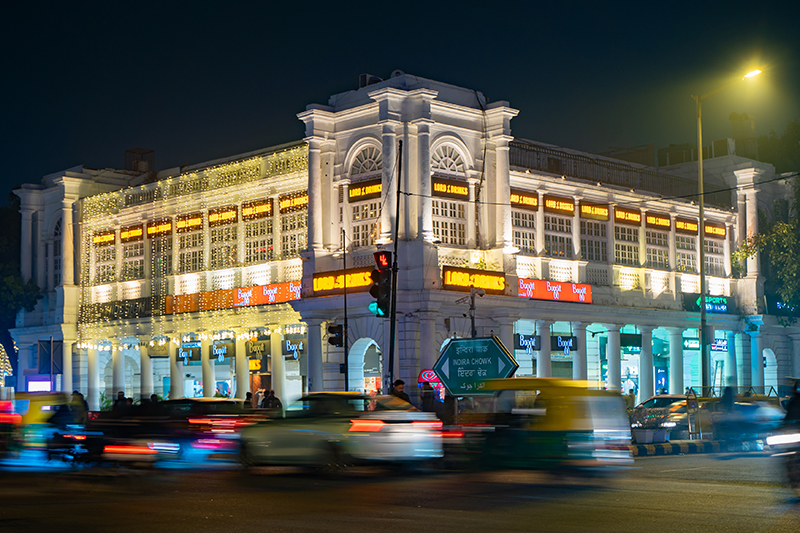
And yes, Delhi is huge. In 2026, it’s estimated population stands at over 30 million people, making it the most populated city in India, and the fourth in the world. It’s also surprisingly green for a major metropolis. Add four seasons, and the pace shifts through the year, and winter here can feel almost European, while summer is all about cotton or linen tunics.
To give you a few sneak peeks into some truly interesting neighbourhoods, let’s start with Connaught Place. Planned as New Delhi’s central business district during the building of British India’s new capital, it initially drew on classical and European design ideals. It was named after Prince Arthur, the first Duke of Connaught, before later being named Rajiv Chowk in 1995, but Delhiites simply call it “CP.”
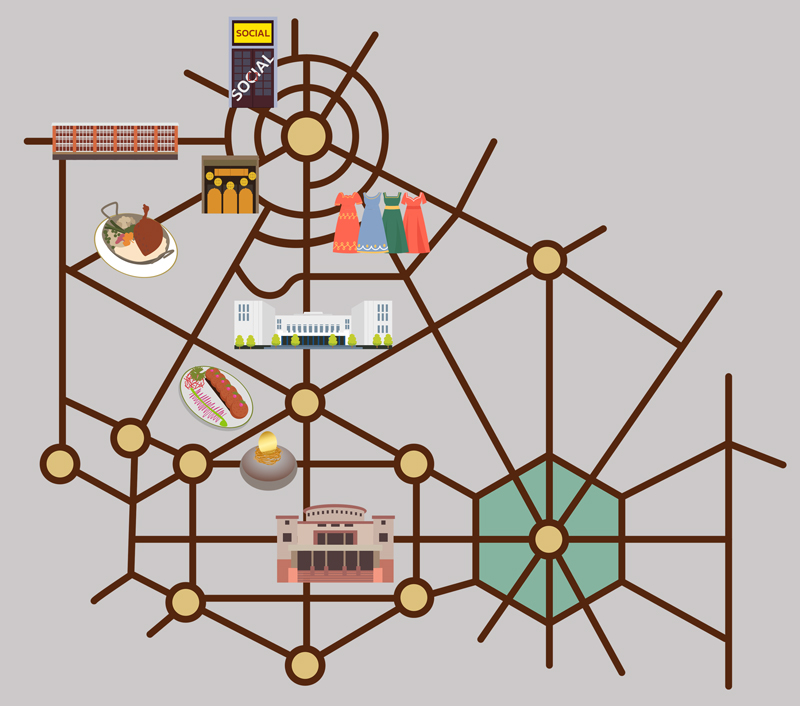
Architecturally, CP is defined by Georgian-style concentric circles, with its inner, middle, and outer rings surrounding a central park. In practice, the layout is realized mainly through two-storied colonnaded buildings, giving the place its signature, walkable symmetry. Here are a few areas to put on your spotlight list in CP.
THREE PLACES TO EXPLORE
The Imperial New Delhi
It’s truly an iconic place, The Imperial New Delhi on Janpath Road is New Delhi’s most iconic address of old-world luxury. Its origins trace back to the Coronation Durbar of 1911, a mass assembly where King George V, as head of the British Raj, proclaimed New Delhi the new capital of India.
Opened in 1936, The Imperial was the capital’s first grand hotel, an architectural delight that blends Victorian sensibilities, Art Deco elegance, and the grandeur of Edwin Lutyens, the English architect who played an instrumental role in New Delhi’s construction.
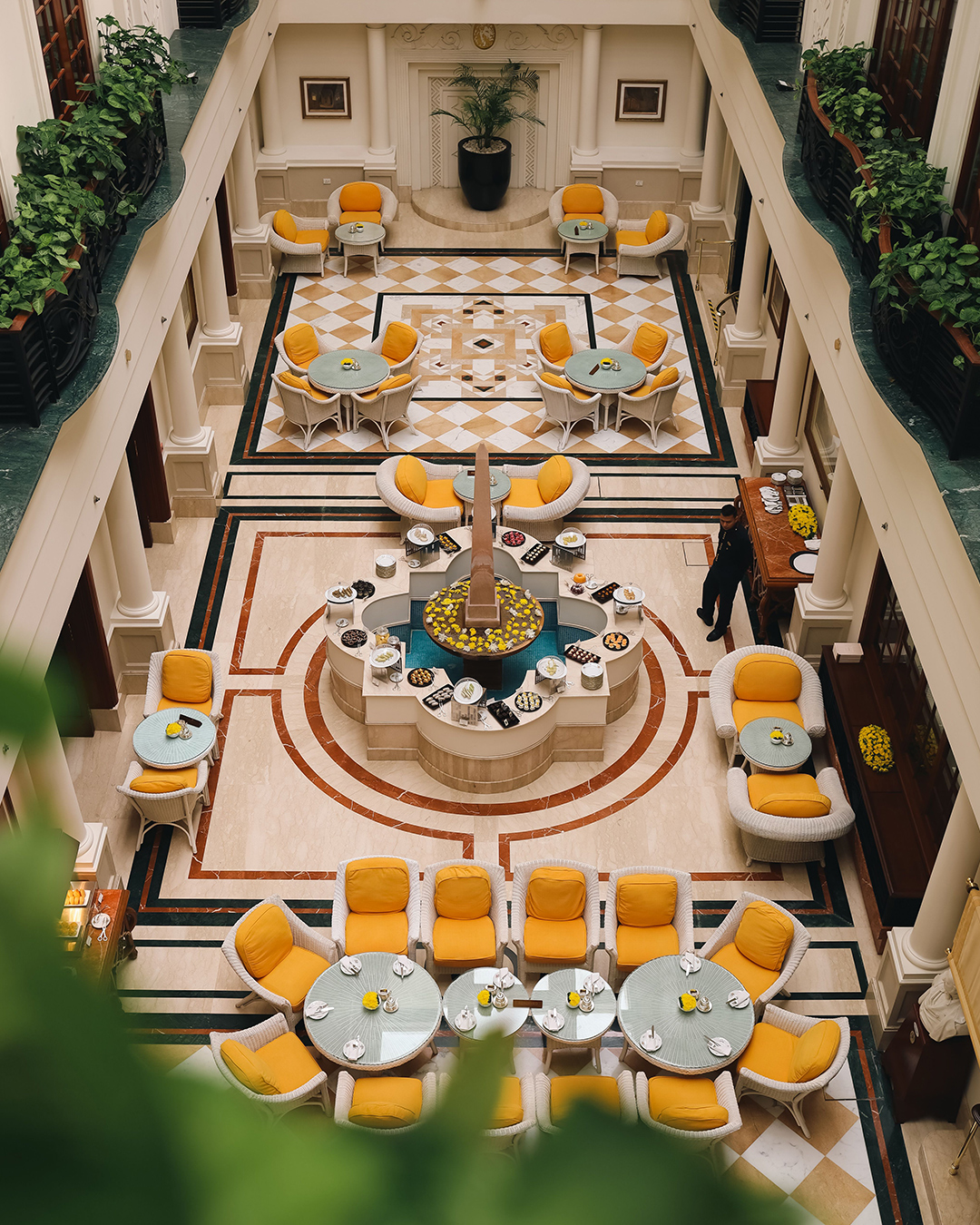
Even if you can’t stay the night, it’s worth stepping inside. Functioning as a living museum, the hotel is home to one of Delhi’s most remarkable collections of colonial and post-colonial art and artifacts.
Its legacy extends beyond aesthetics. It was here that Jawaharlal Nehru, Mahatma Gandhi, Mohammad Ali Jinnah, and Lord Mountbatten met to discuss Partition and the birth of Pakistan. The significance lingers in the details: the table where they sat is preserved and displayed today in the hotel’s 1911 Restaurant and Bar. So you can actually sit at this legendary table! Try to have lunch or dinner at The Spice Route, a pan-Asian restaurant, to spot Kama Sutra paintings.
India Gate
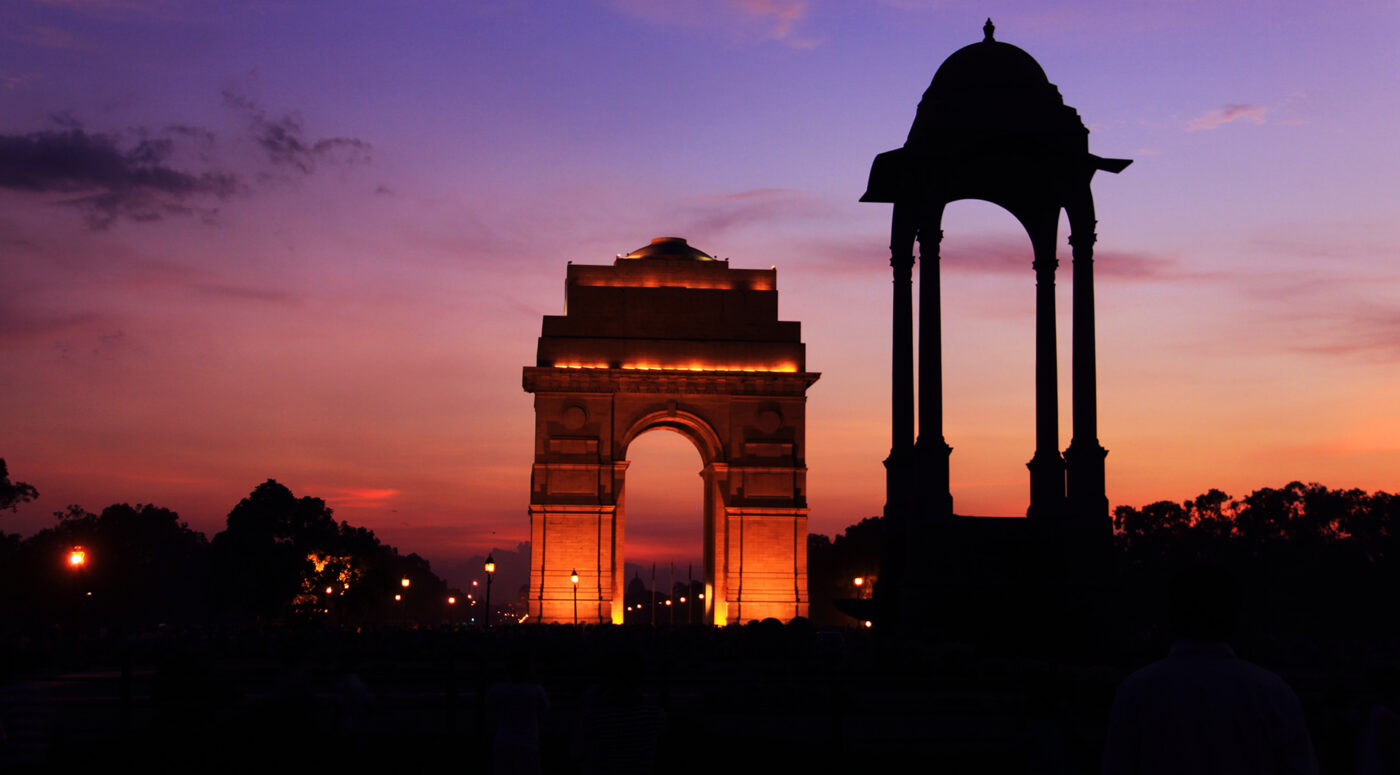
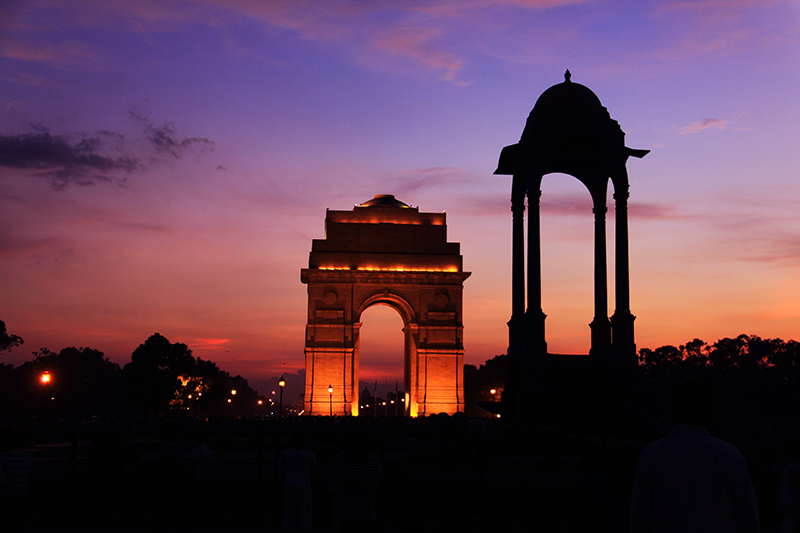
Not to be confused with the Gateway of India in Mumbai: The India Gate is a war memorial, formerly known as All India War Memorial. It honors Indian soldiers who died between 1914 and 1921. Designed by Lutyens, the gate evokes the style of ancient Roman triumphal arches and is often compared to the Arc de Triomphe in Paris. Since 1971, the Amar Jawan Jyoti (Flame of the Immortal Soldier) has burned beneath the archway, serving as India’s Tomb of the Unknown Soldier.
Three thrilling museums
There are three museums in the vicinity that you can choose to visit based on your interests: the National Museum (Tue-Sun: 10:00-18:00), which spans the history of Indian civilization and archaeology, with galleries of artifacts and sculptures; the National Gallery of Modern Art (Tue-Sun: 11:00-18.30), which, through modern painting and sculpture by key artists, traces the growth of Indian modern art; and the National Crafts Museum & Hastkala Academy (Tue-Sun: 10:00-18:00), where the stories of India’s traditional crafts and folk art, techniques, materials, textiles, and more, are told.