• Skip to primary navigation
  • Skip to main content
  • Skip to footer

Sawasdee

Sawasdee
  • Happenings
  • Inspiration
  • Food & Drink
  • บทความภาษาไทย
  • Thai Airways
  • Download e-Magazine
  • Toggle Search

    City Guides

    Bangkok

    วัดป่าดาราภิรมย์ (เครดิตรูปภาพ: iStockphoto)

    Chiang Mai

City Guides

วัดป่าดาราภิรมย์ (เครดิตรูปภาพ: iStockphoto)

Chiang Mai

Bangkok

A Quieter Side of Kyoto

Experiences

Explore Kyoto at a gentler tempo, taking in uncrowded temple halls, secluded gardens, tucked-away cafés, contemporary art spaces, and atmospheric sanctuaries.

October 31, 2026

Text: Kunakorn Vanichviroon

6 min read

Facebook LinkedIn Line Viber Pinterest Twitter Email

Kyoto’s best-known sights can fill an itinerary quickly. Yet between the famous temples and busy shopping lanes are places that invite a longer pause: a timber hall during morning prayers, a small café overlooking a garden, a museum terrace with mountains on the horizon. Finding them takes a little planning, particularly when the city is busy. This journey follows a quieter route through Kyoto while showing how thoughtful timing can make even its celebrated historic streets feel personal again.
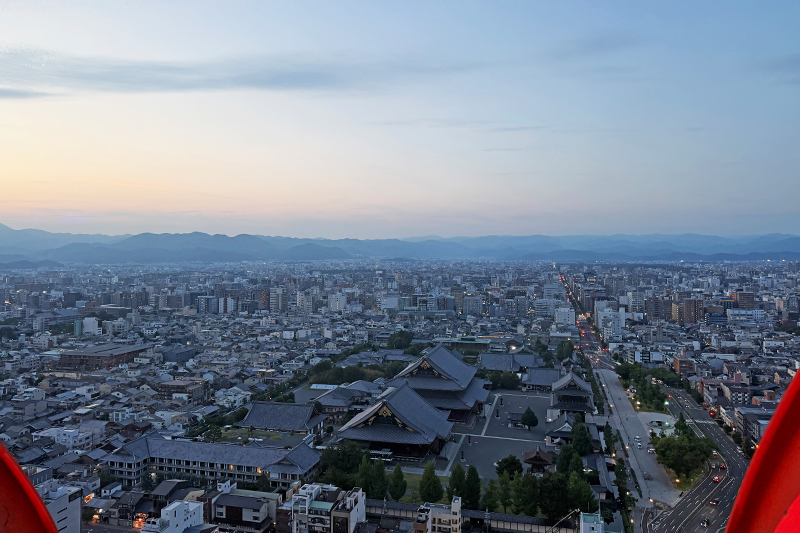
Kyoto is surrounded by mountains

From 100 meters above the city at Kyoto Tower, I gaze down at a grid of intersecting streets laid out like a giant chessboard. Temple roofs sit nested between unassuming buildings in a skyline free of modern high-rises. Out on the horizon, a sweeping mountain range frames the city – a natural fortress that protected Kyoto, historically known as Heian-kyo, or Capital of Peace and Tranquility, for over a millennium. Although it gave up its status as the imperial seat to Tokyo in 1868, Kyoto never surrendered its title as Japan’s cultural heart.

A thousand years of continuous creative heritage, a deep reverence for master craftsmanship, and the rare fortune of escaping WWII aerial bombardment preserved modern Kyoto as a living historical sanctuary. Ancient temples, traditional spirituality, and age-old customs retain a magnetic pull that leaves visitors enthralled.
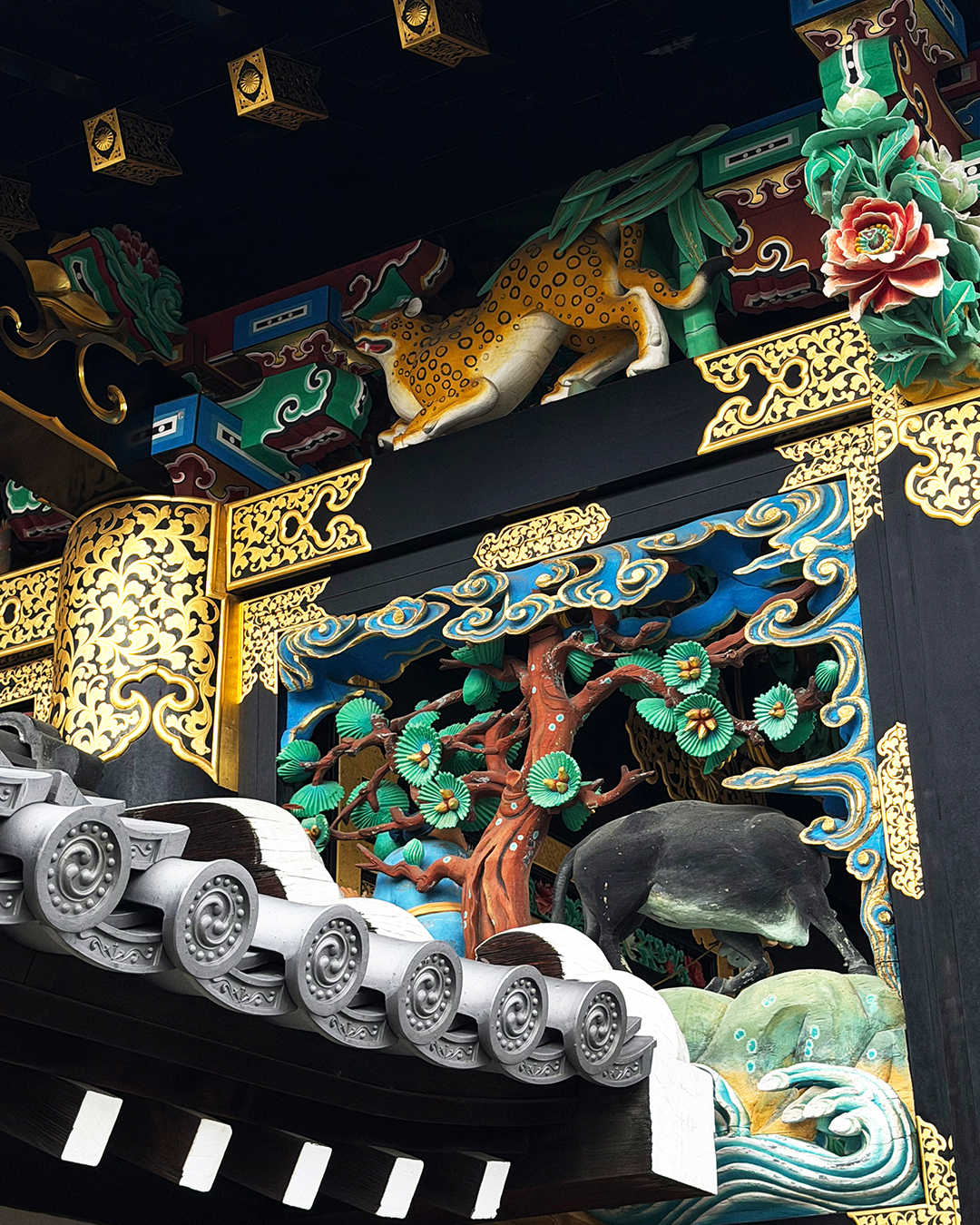
The intricately decorated temple gate at Nishi Hongan-ji Temple

Over the past decade, however, visitor numbers skyrocketed, reaching 60 million people in 2025. This influx brought heavy congestion to public transit and neighborhood eateries. Fushimi Inari-taisha, which I recall being a quiet, awe-inspiring place two decades ago, now greets nearly 30,000 visitors a day. The once-quiet city has become a case study in overtourism – which begs the question: Has the Capital of Peace and Tranquility vanished for good?


Monumental temples and hidden speakeasies


A trip to Kyoto usually calls for a familiar checklist: Kinkaku-ji (the Golden Pavilion), Kiyomizu-dera, and Fushimi Inari-taisha. While undeniable masterpieces, these iconic sites draw nearly every traveler to the exact same spots. Yet Kyoto houses roughly 2,000 temples and shrines, many offering rich historical significance and striking architecture without the crowds.
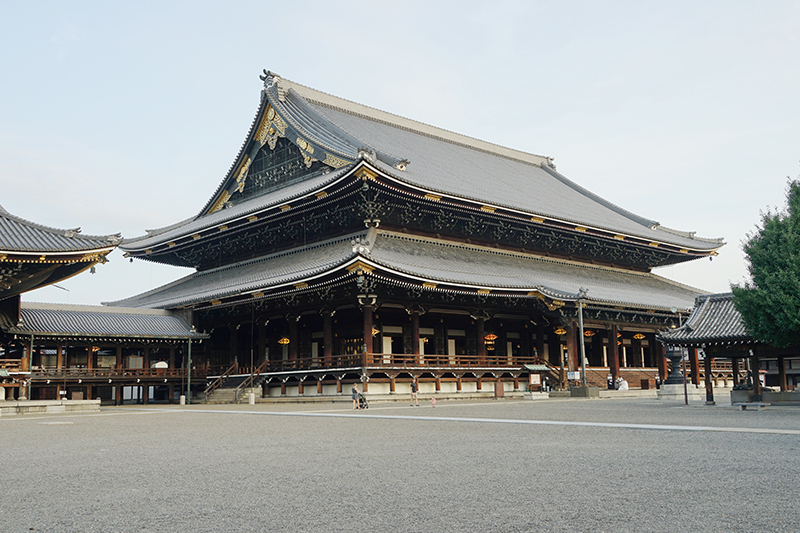
A giant pavilion of Higashi Hongan-ji (East Temple)

Just north of Kyoto Station lie two grand Jodo-sect Buddhist complexes: Nishi Hongan-ji (West Temple), founded in 1591 by warlord Toyotomi Hideyoshi, and Higashi Hongan-ji (East Temple), built eleven years later. Within these uncrowded grounds stand the Goei-do (Founder’s Halls) – the largest wooden structures in Kyoto. Sitting amidst the towering pine pillars and massive timber beams during early morning prayers offers a deep sense of stillness that sets a relaxed pace for the rest of your stay.
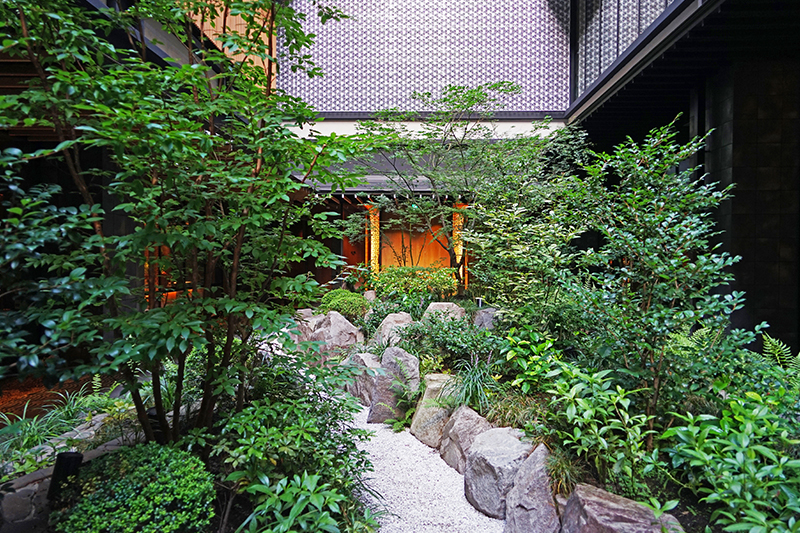
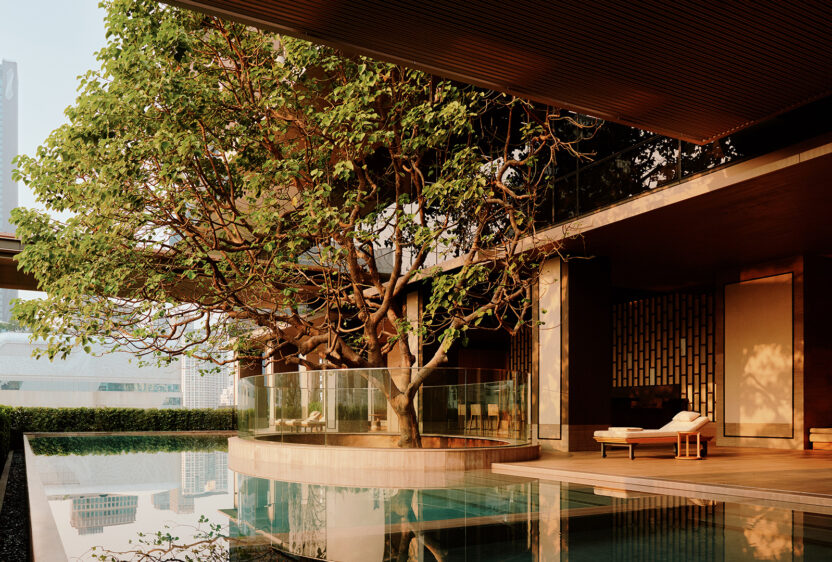
The beautiful garden at Dusit Thani Kyoto

If you plan an early morning temple visit and enjoy exploring historic neighborhood establishments – like Kungyokudo, an incense shop operating since the 16th century – Dusit Thani Kyoto  serves as an ideal base. The hotel’s interiors are complemented by a central courtyard garden that filters natural light, creating soft shadows and a calming atmosphere.
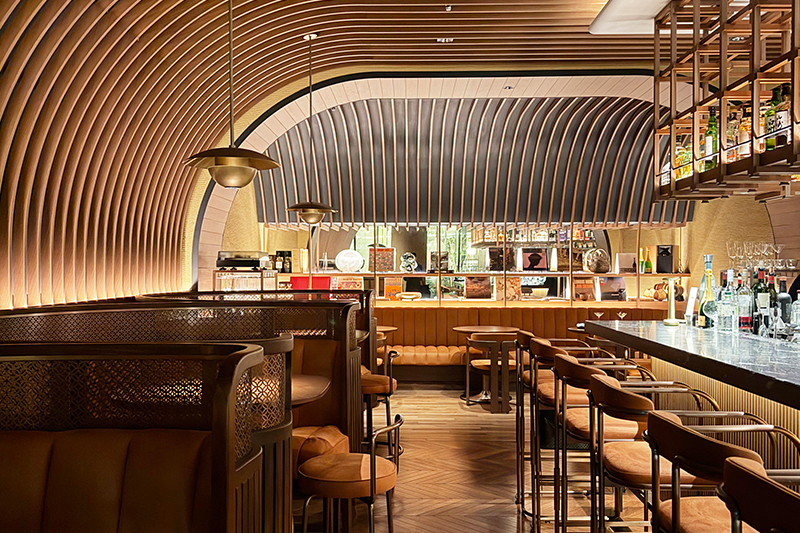
The charming bar at Den Kyoto

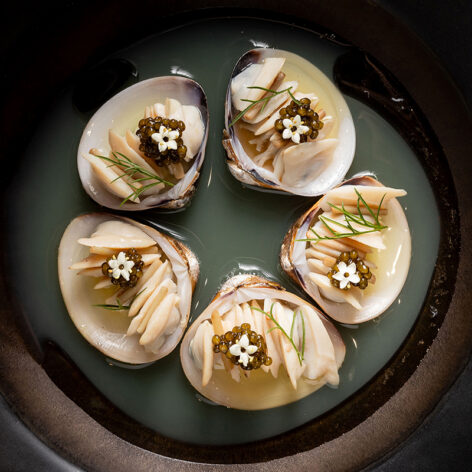
Its diverse dining options also make Dusit Thani Kyoto a hidden culinary destination. Restaurant Koyo impresses with authentic Edomae-style sushi featuring seasonal Omakase courses crafted with Ginza-trained precision. Afterward, head to Den Kyoto, a sleek bar defined by moody shadow play, for an inventive drink like the Shijo-Silom – a refreshing martini-style cocktail connecting the street cultures of Kyoto and Bangkok.

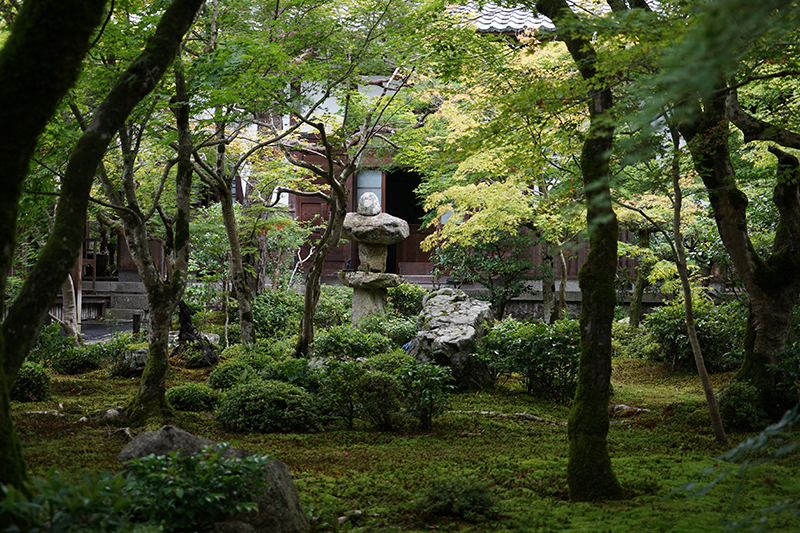
Zen gardens and leafy cafés


Taking time to linger in a traditional Japanese garden – decoding the deliberate placement and interplay of stone and moss – remains a core Kyoto experience. While crowds fight for space around the famous dry landscape at Ryoan-ji or the moss garden of Ginkaku-ji (the Silver Pavilion), lesser-known temples offer quiet reflection away from the noise.

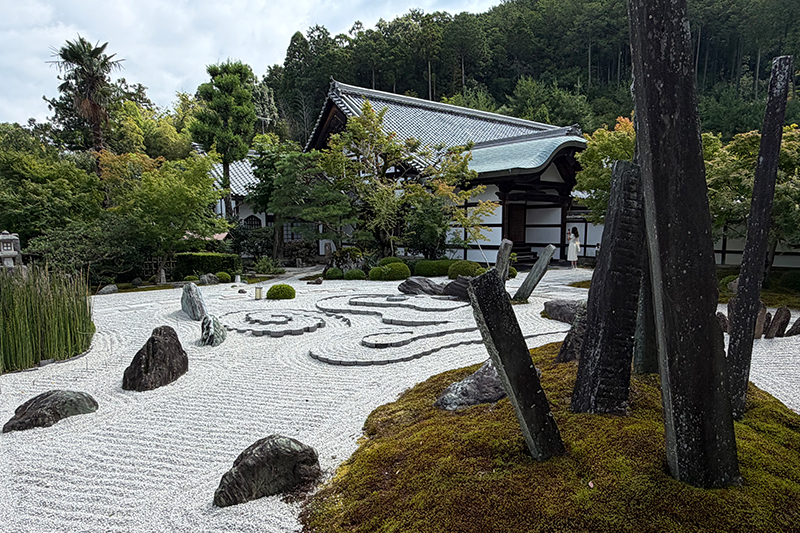
A peaceful moment in a dry landscape garden at Enko-ji

Enko-ji, established as a religious academy by Shogun Tokugawa Ieyasu in the 17th century, features extraordinary garden grounds. Its dry landscape garden, or karesansui, uses raked gravel and roof tiles to represent clouds, anchored by tall stone pillars resembling dragonflies in flight. The main draw, however, is Jyu-gyu no Niwa (the Garden of the Ten Bulls), inspired by Zen parables. In summer, thick moss carpets highlight stones shaped like crouching cattle; by autumn, the scene shifts to a canopy of deep oranges. Nearby, Banryukutsu, a handsome timber hall, serves as a Zen meditation space where visitors can join Sunday morning sessions.

Spotting all ten cows in the lush green garden

Fewer than 200 meters away lies Shisendo (the Hermit’s Retreat), a temple constructed in 1641 by Ishikawa Jozan – a samurai who abandoned the sword for poetry and calligraphy. Jozan personally designed the residence and its gardens, where portraits of 36 ancient Chinese poets hang along the walls. The main view opens onto a Tang-style garden featuring azalea bushes clipped into rolling hills, set against a quiet expanse of white sand representing the sea.

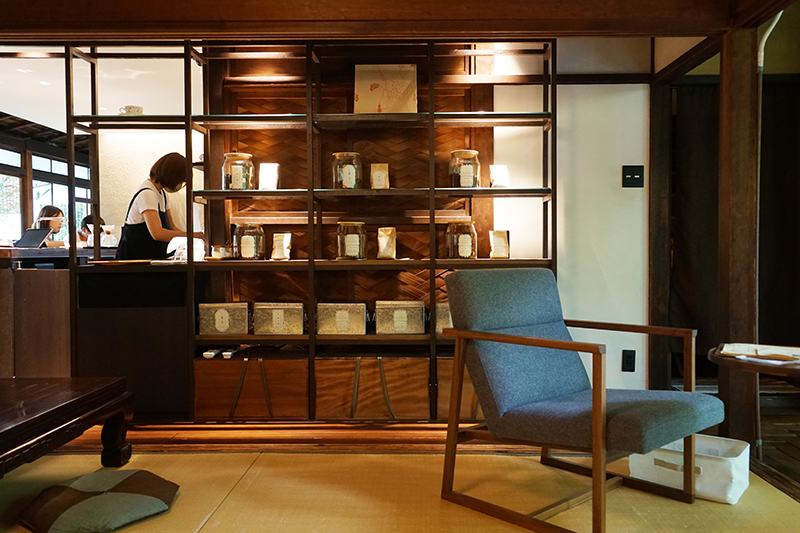
A quiet corner to enjoy a cup of coffee at Kotoro Cafe

Many Kyoto cafés hide similarly charming pocket gardens. Kotoro Cafe, tucked down a narrow alley inside an old wooden townhouse, is a personal favorite. Guests who secure a seat can savor house-roasted coffee and soft cake, tuning out the city while looking onto a leafy garden through floor-to-ceiling glass.


Modern art and architectural jewels


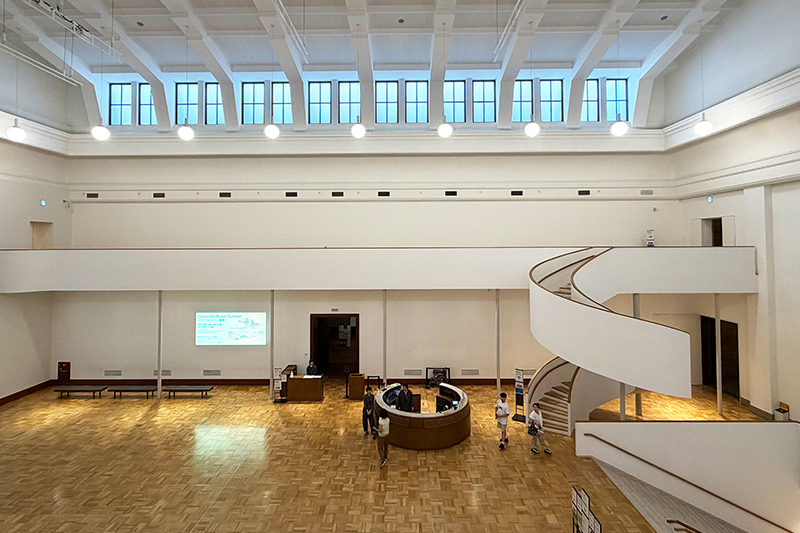
Centuries as the imperial capital cultivated a deep appreciation for fine craftsmanship and artistic expression across Kyoto. In 1933, the city opened Japan’s first public art museum. Today, this Imperial Crown style landmark – blending modern concrete with traditional Japanese tile roofing – operates as the Kyoto City KYOCERA Museum of Art after a major renovation. Visitors can view detailed hanging scrolls and painted folding screens before stepping onto the Higashiyama Cube Terrace for open views of the surrounding mountains.

The airy hall inside the Kyoto City KYOCERA Museum of Art

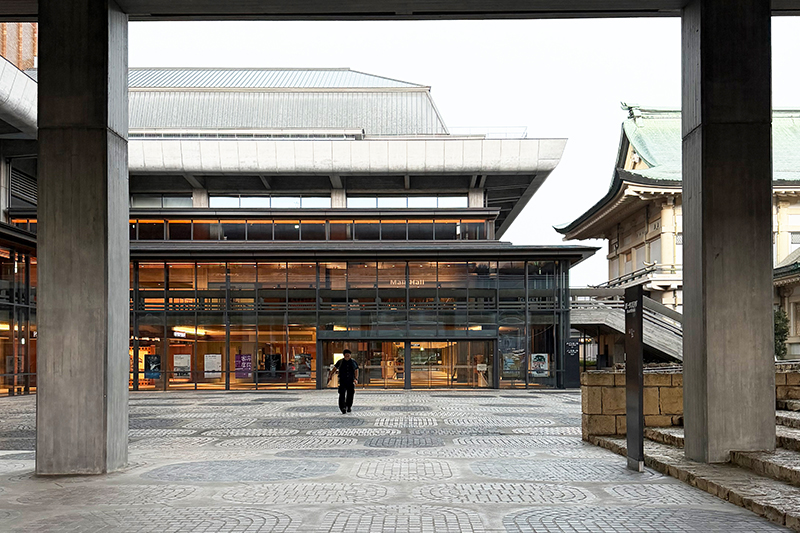
Across the street, the Rohm Theatre KYOTO – designed in 1960 by architect Kunio Maekawa – houses Kyoto Modern Terrace. This striking venue serves quality coffee and bistro meals beneath six-meter ceilings framed by a distinctive waffle-patterned roof, then shifts into a lively bar atmosphere come evening.

Rohm Theatre Kyoto hails from the 1960s

For creative crafts, visit Com-ion, a compact cultural space set inside a 110-year-old wooden complex along the Shirakawa Canal. The project combines dining, coffee shops, coworking spaces, and gallery workshops aimed at connecting craft enthusiasts who prefer a slower, quieter side of Kyoto.


Rediscover historic quarters without rushing


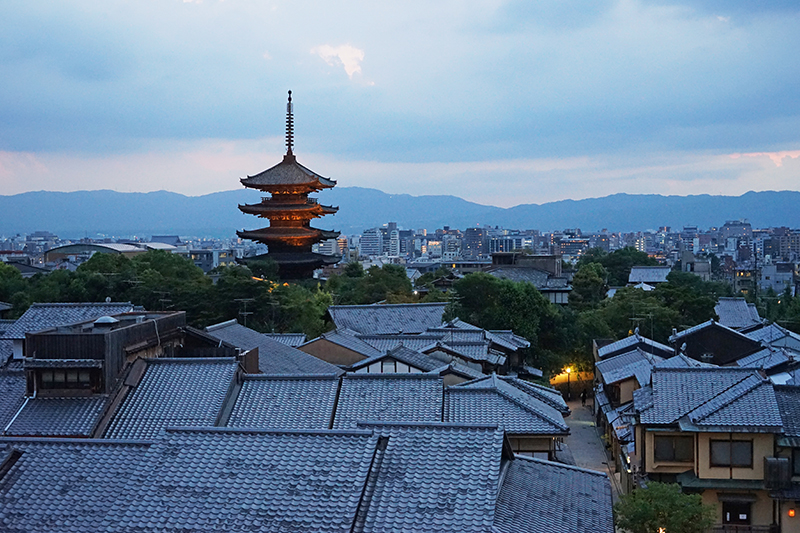
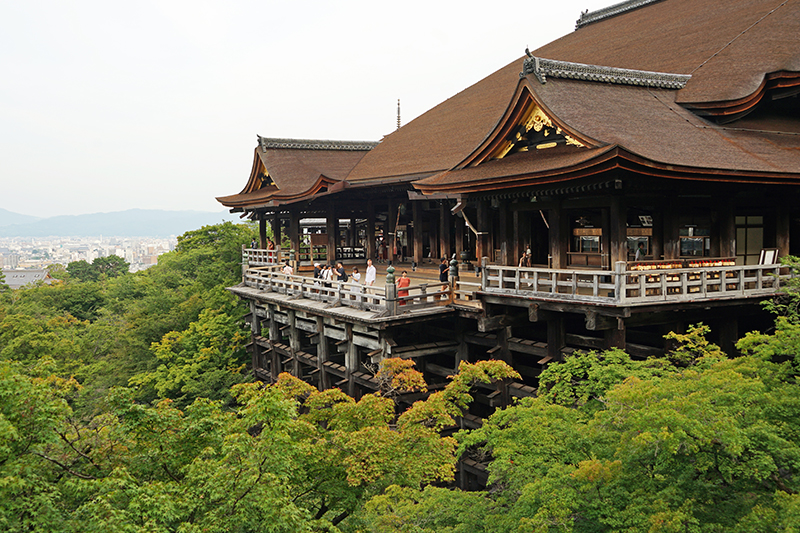
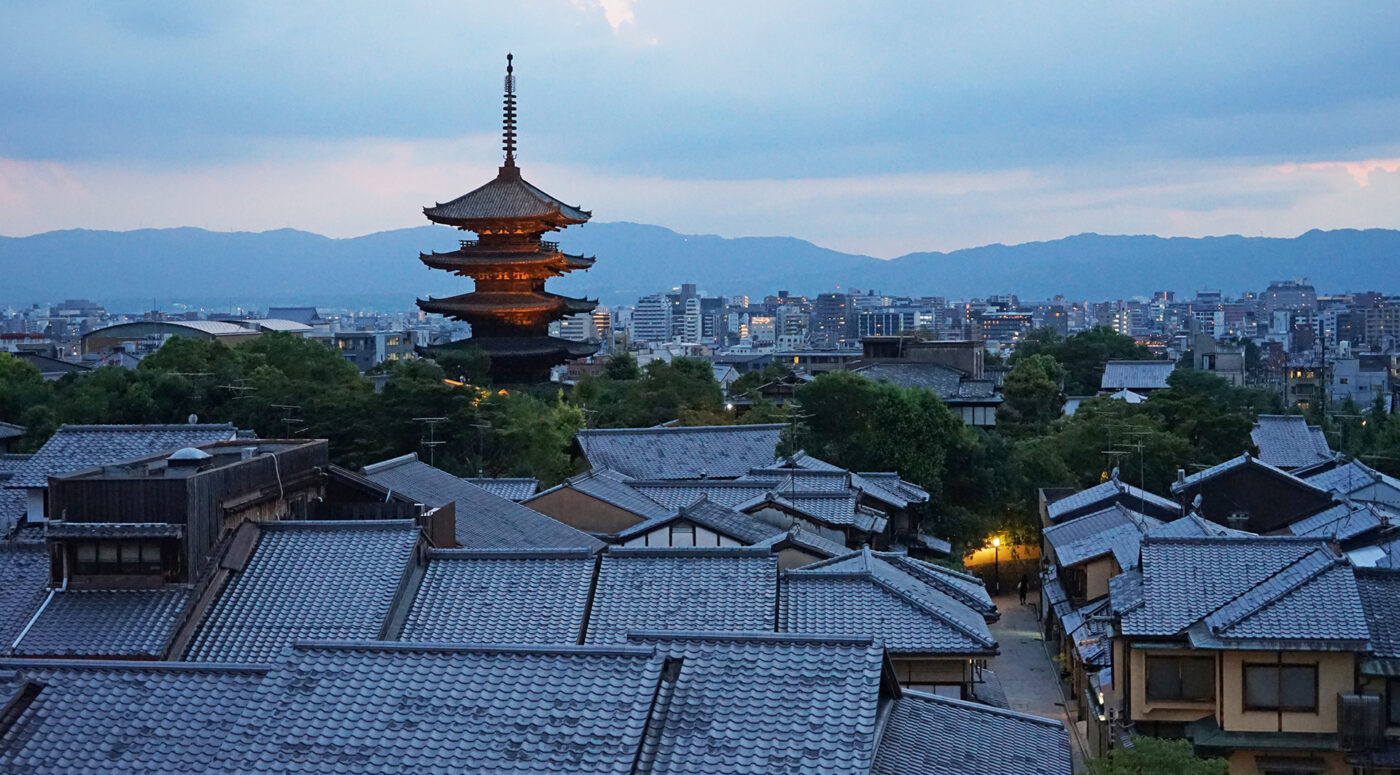
The narrow stone streets of Higashiyama, sloping upward toward the cliffside wooden structure of Kiyomizu-dera, stay crowded with visitors. Tourists flock to admire the historic timber architecture, broad city views, and old townhouses lining Ninenzaka and Sannenzaka lanes. Backdropped by the 580-year-old Yasaka Pagoda, the area captures an iconic image of classic Japan – so much so that heavy traffic prompted local authorities to launch live crowd forecasts and webcams to help manage congestion.

The iconic view of Yasaka Pagoda

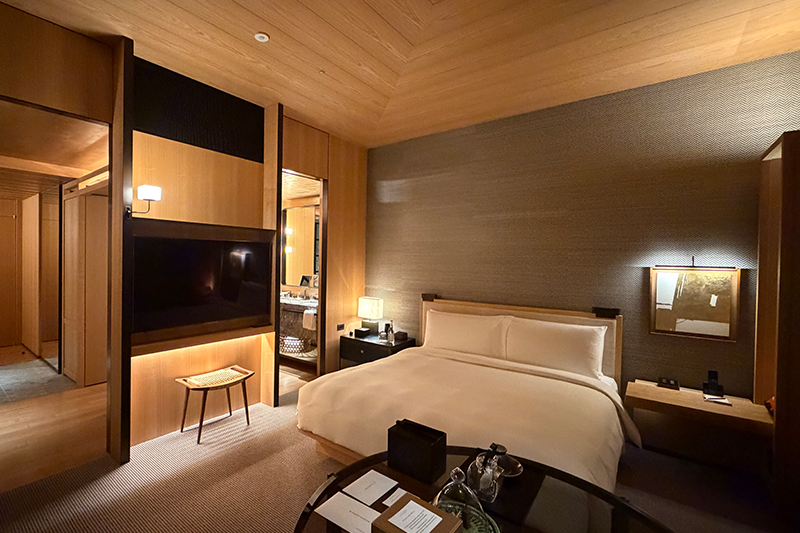
To experience these streets without the crowds, staying directly in the neighborhood at Park Hyatt Kyoto on Ninenzaka offers early morning and late evening access when the cobblestone alleys sit empty. Designed by Tony Chi, the property creates a distinct atmosphere using fragrant timber, soft warm lighting, and hand-crafted washi paper. Golden accents in the lobby evoke Kyoto’s courtly past, while guest rooms blend modern comforts with the feel of a traditional ryokan.

A cozy room at Park Hyatt Kyoto

In the evening, book a table at Bar Kohaku to watch mixologists build complex cocktails against sunset views of the Kyoto skyline. Follow it with a teppanyaki dinner at Yasaka, the hotel’s signature restaurant, where chefs apply French cooking techniques to seasonal Japanese ingredients – serving dishes like tuna gazpacho and rich bouillabaisse. This intimate dining setting captures the original spirit of Kyoto: calm, quiet, and deeply soothing.

Enjoying Kiyomizu-dera without the crowds

Wander Kyoto’s quieter corners, from early morning temple visits to lingering garden afternoons. Fly to Osaka with Thai Airways and continue your journey to Kyoto.

Latest Stories

Jaras

Food & Drink

Inside Thailand’s Newly Minted Michelin Tables: The 2027 Edition

Inspiration

Thailand’s Retreats for Body, Mind, and Spirit

บทความภาษาไทย

72 ชั่วโมงในมิวนิก

Footer

About Us

  • Our website
  • Advertise with us
  • User agreement
  • Privacy policy
  • Cookie policy
Thai Airways

Social

  • Instagram

COPYRIGHT © 2026 Thai Airways International Public Company Limited (THAI). All rights reserved.

A Star Alliance Member
Sawasdee
  • Happenings
  • Inspiration
  • Food & Drink
  • บทความภาษาไทย
  • Thai Airways
  • Download e-Magazine
  • Toggle Search

    City Guides

    วัดป่าดาราภิรมย์ (เครดิตรูปภาพ: iStockphoto)

    Chiang Mai

    Bangkok

City Guides

วัดป่าดาราภิรมย์ (เครดิตรูปภาพ: iStockphoto)

Chiang Mai

Bangkok

BOOK FLIGHTS NOW