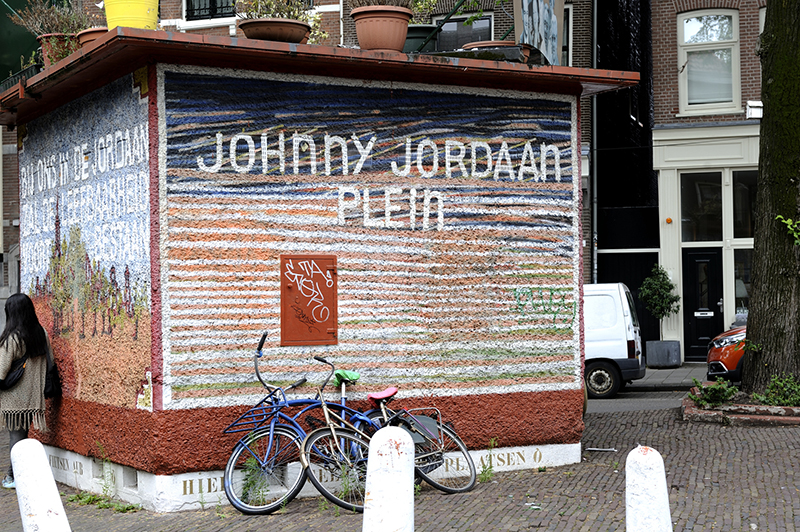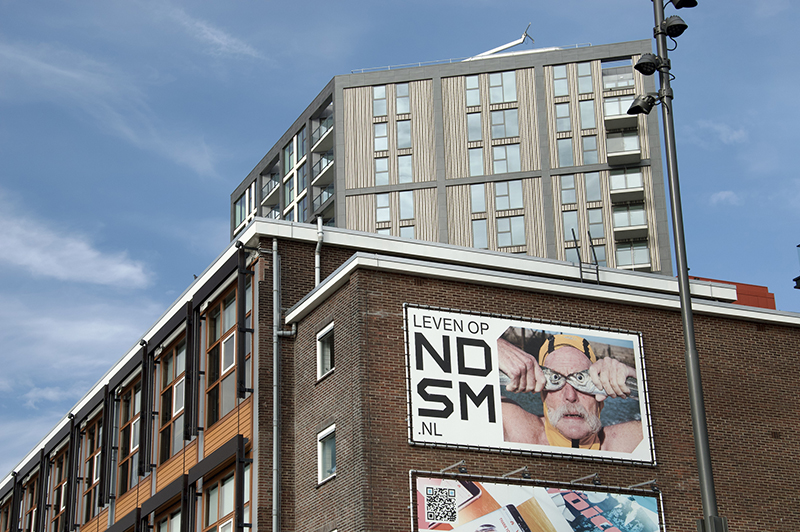
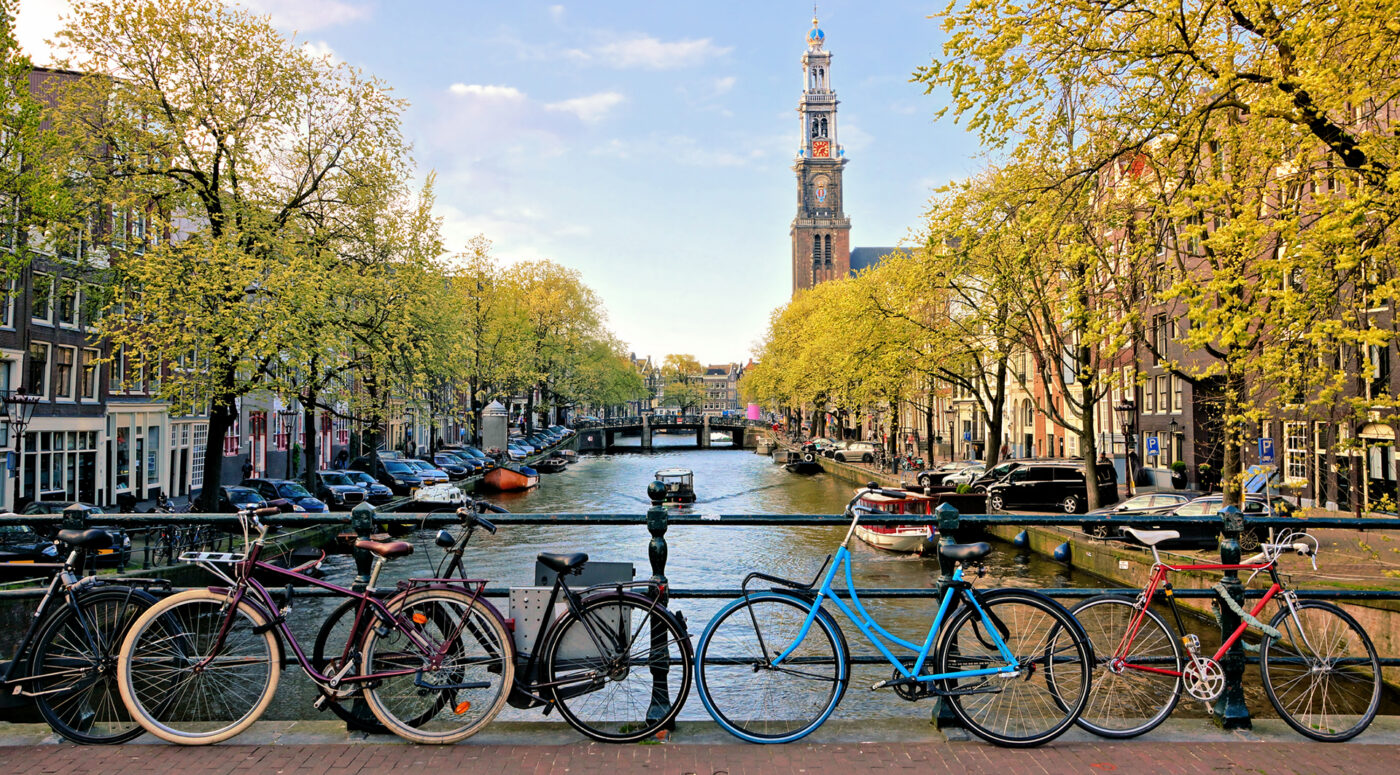
There is a distinct geometry to Amsterdam, a deliberate layout perfected over generations. Yet, the real magic lies in how the past refuses to stay static. Former industrial shipyards have morphed into avant-garde galleries, and historic waterways now mirror cutting-edge architecture. To wander through these neighborhoods isn’t just to sightsee—it is to watch a historic master plan dynamically rewriting itself for the future.
Amsterdam is often experienced from the saddle of a bicycle, and for good reason. With more bicycles than residents and an urban layout designed around people rather than cars, cycling offers an intimate way to explore the Dutch capital. Yet beyond convenience, it also provides insight into how Amsterdam has evolved over centuries.
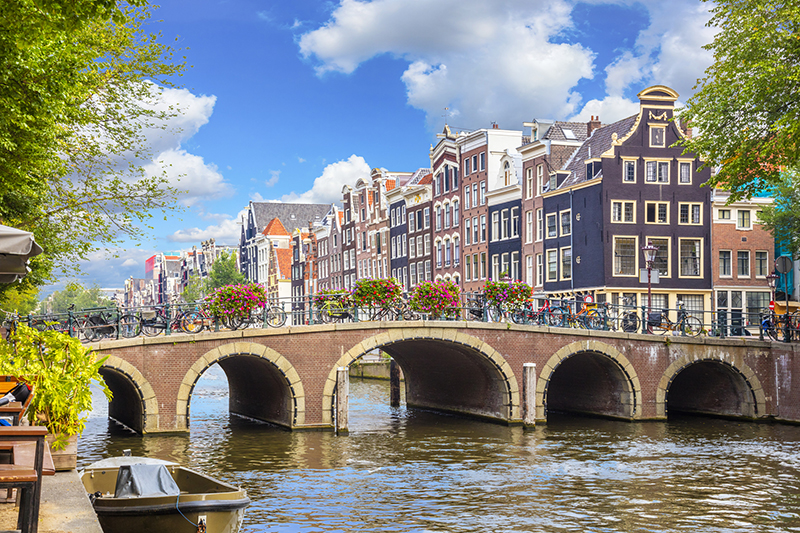
Unlike many European cities that expanded rapidly and unevenly, Amsterdam grew through careful planning. Canals were engineered not only for beauty but for trade and water management. Neighborhoods were designed around community life, while modern districts continue to adapt historic principles for contemporary living.
Cycling through Amsterdam reveals these layers of design in motion. A ride might begin along 17th-century canals, continue through former industrial docks transformed into creative districts, and end in a modern neighborhood built with sustainability at its core. Together, these routes tell the story of a city that continues to reinvent itself while remaining deeply connected to its past.
THE MASTERPLAN OF THE DUTCH GOLDEN AGE
The Canal Ring
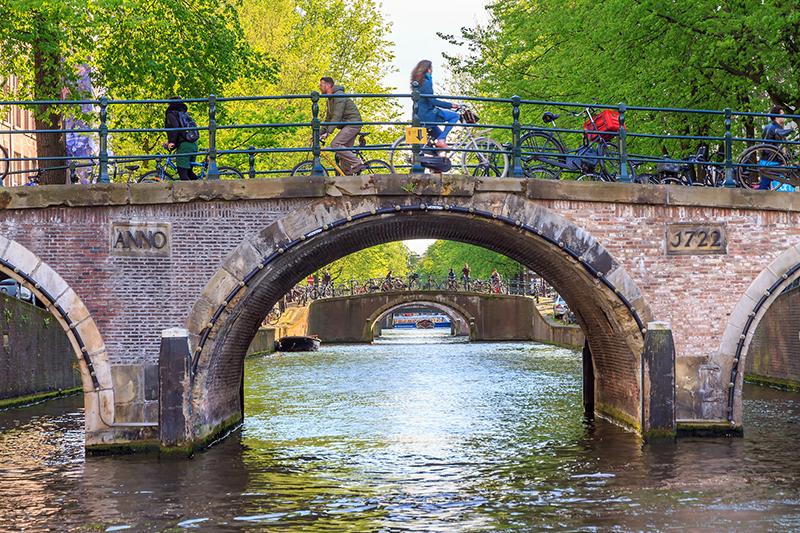
Amsterdam’s most recognizable design is its UNESCO-listed Canal Ring, created during the 17th century when the city emerged as one of the world’s most important trading centers. The concentric canals of Herengracht, Keizersgracht, and Prinsengracht were carefully planned to accommodate growth while improving transportation and water management.
Today, cycling along these waterways remains one of the most rewarding ways to experience the city. Elegant merchant houses line the canals, historic bridges connect neighborhoods, and the rhythm of daily life unfolds beside the water. What appears picturesque today was once a highly innovative urban solution—one that continues to define Amsterdam’s identity centuries later.