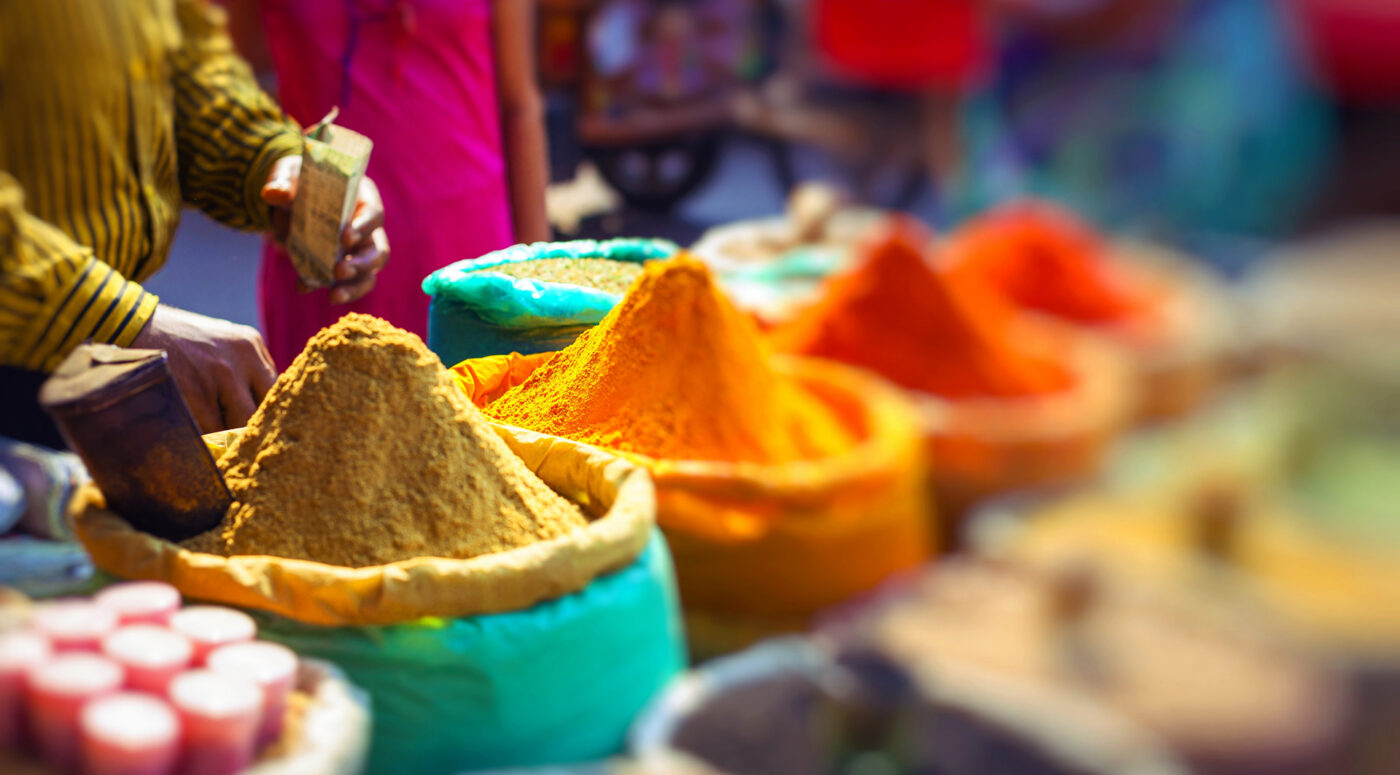
There has never been just one way to eat in India. Recipes, ingredients, and dining rituals can change dramatically between states—and increasingly, the country’s major cities are adding another layer to that diversity.
Old markets and family-run institutions remain essential, but they now share the culinary map with chef-led restaurants, inventive regional kitchens, specialty cafés, and a generation eager to look again at familiar ingredients. The result isn’t a rejection of tradition. More often, it is a conversation with it.
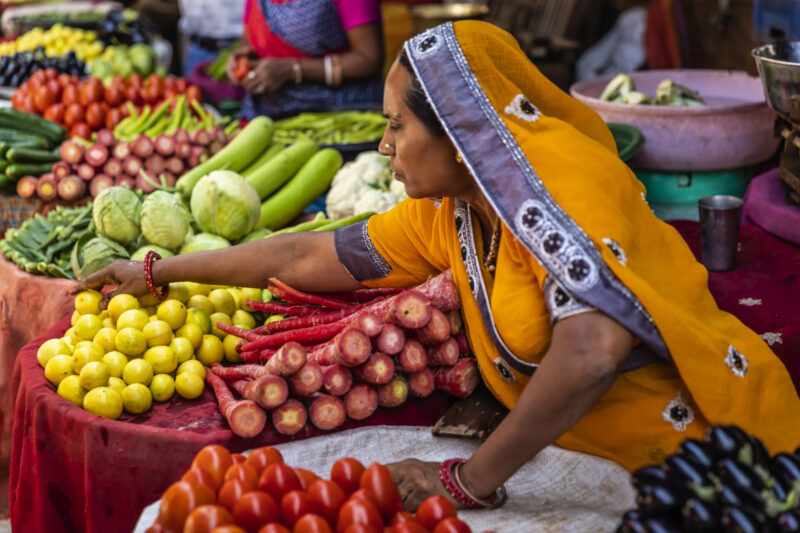
For travelers, that makes India’s cities particularly exciting places to eat right now. Come hungry to these four destinations and you can experience both the food that has defined them for generations and the ideas shaping what comes next.
MUMBAI
A City That Eats at Every Speed
Mumbai has always understood that great food doesn’t require ceremony. Vada pav grabbed between appointments, bhel puri by the sea, Irani cafés, seafood restaurants, and late-night kebabs all belong to a city accustomed to eating on the move.
What makes Mumbai especially interesting today is how comfortably that informality sits beside an ambitious restaurant culture. Younger chefs are looking toward regional Indian cooking, local produce, and memories of home for inspiration, while neighborhoods such as Bandra continue to attract independent restaurants with distinct personalities.
The contrast feels natural here. A sophisticated dinner one evening and a paper plate of chaat the next aren’t competing experiences—they are simply different expressions of Mumbai’s appetite.

Follow Mumbai’s flavors from neighborhood institutions and street-side favorites to a new generation of Indian kitchens. Fly to Mumbai with Thai Airways.
DELHI
Old Recipes, New Conversations
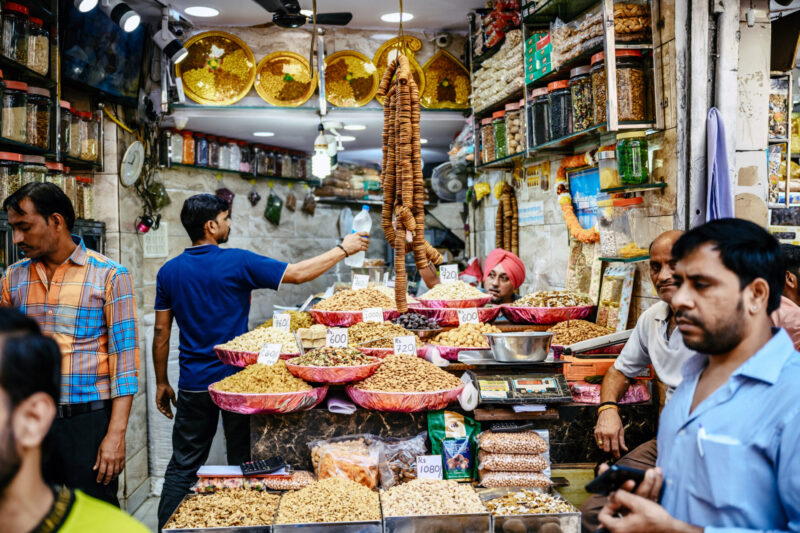
Few cities reveal India’s culinary layers as vividly as Delhi. In the lanes around Chandni Chowk and Jama Masjid, generations of cooks continue traditions built around kebabs, nihari, breads, chaat, and sweets. Elsewhere, Punjabi cooking and dishes brought by communities from across India have become part of the capital’s everyday repertoire.