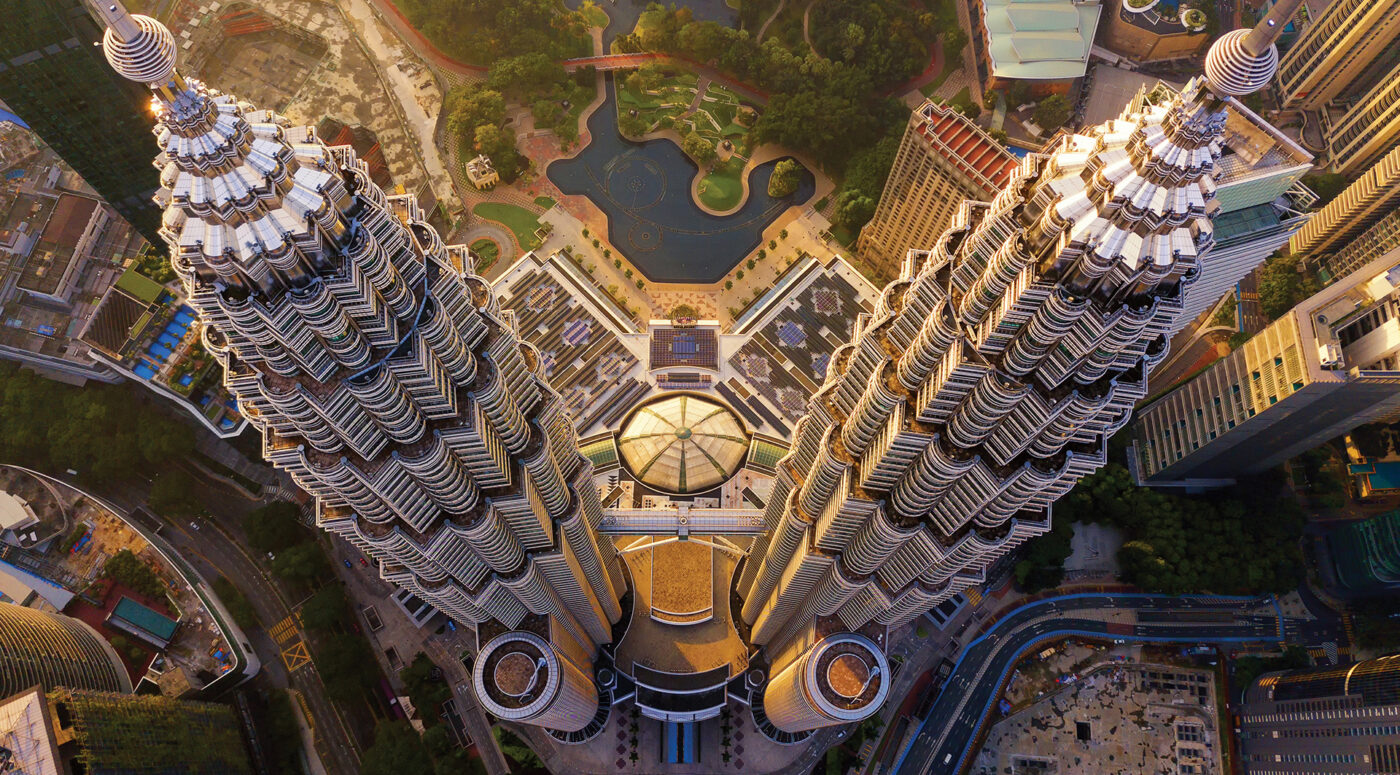
Where silver spires pierce the tropical haze, Kuala Lumpur’s famous skyline stands as a shimmering monument to a city that never stops reaching. Yet, beyond the iconic steel of the Twin Towers lies a metropolis defined by its deep, poetic contradictions.
Evolution is the city’s heartbeat; it has transformed from a 1960s colonial tin-mining outpost into a sprawling landscape of neon-lit creative hubs and mural-clad alleys. In this vibrant urban tapestry, ancient rainforests are cradled by modern glass, and historic cinemas find new life as design-forward spaces. It is a place where multicultural heritage doesn’t just survive—it thrives through constant, restless reinvention.
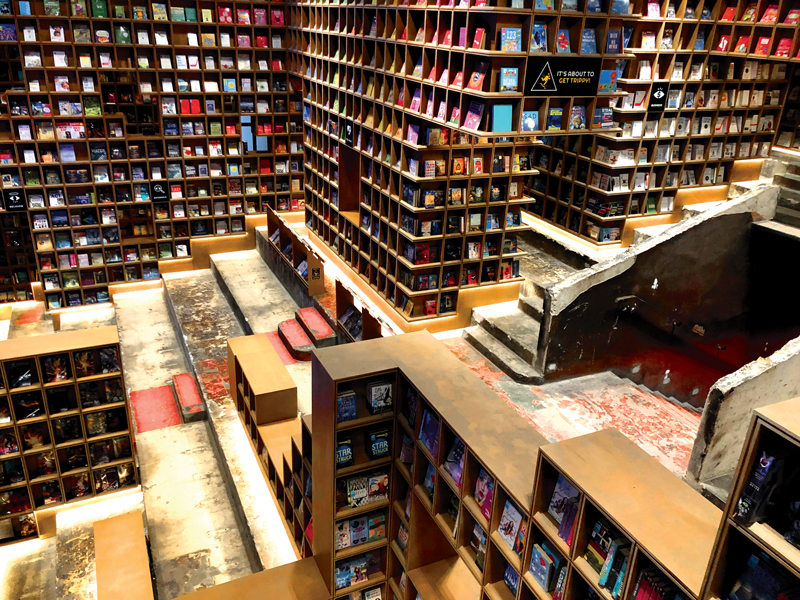
Sixty-six years ago, amid the golden age of air travel, THAI traced a promising arc through Southeast Asian skies towards Kuala Lumpur – then one of just 11 destinations in its network. It was 1960, and the Malaysian capital was poised between colonial echoes and modern ambition, still finding its rhythm as the heartbeat of a newly independent nation.
Malaya had proclaimed its sovereignty a mere three years earlier, and Kuala Lumpur retained the patina of its origins as a thriving tin-mining outpost shaped by British colonial administration. The copper dome and clock tower of the Sultan Abdul Samad Building presided over Merdeka Square, defining a skyline that felt intimate, ceremonial, and resolutely historic.
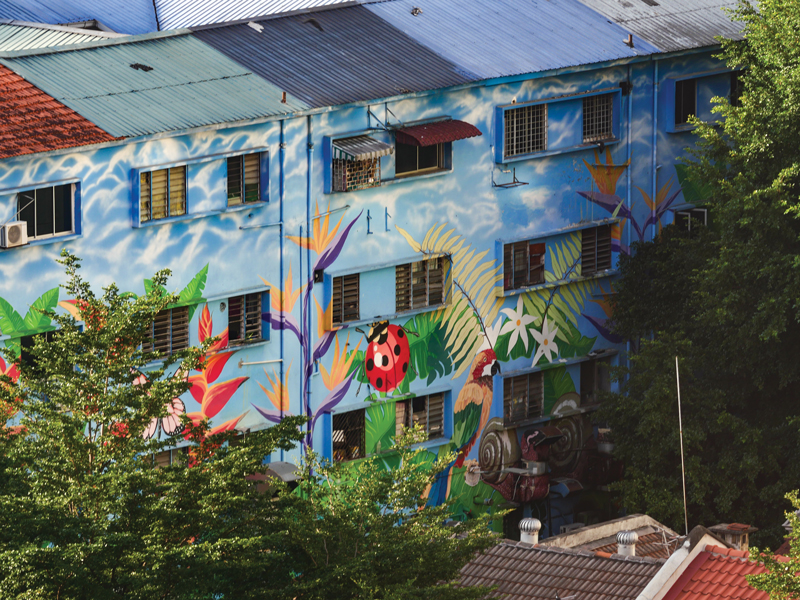
More than six decades on, the transformation is nothing short of extraordinary. The soaring spires of the Petronas Twin Towers – the tallest buildings on earth between 1998 and 2004 – announce Kuala Lumpur’s global ambition with unmistakable confidence. Yet amid the glass and steel, the city’s older quarters endure. In Chinatown and around Masjid Jamek, layered histories and living traditions continue to define the capital’s richly multicultural character.
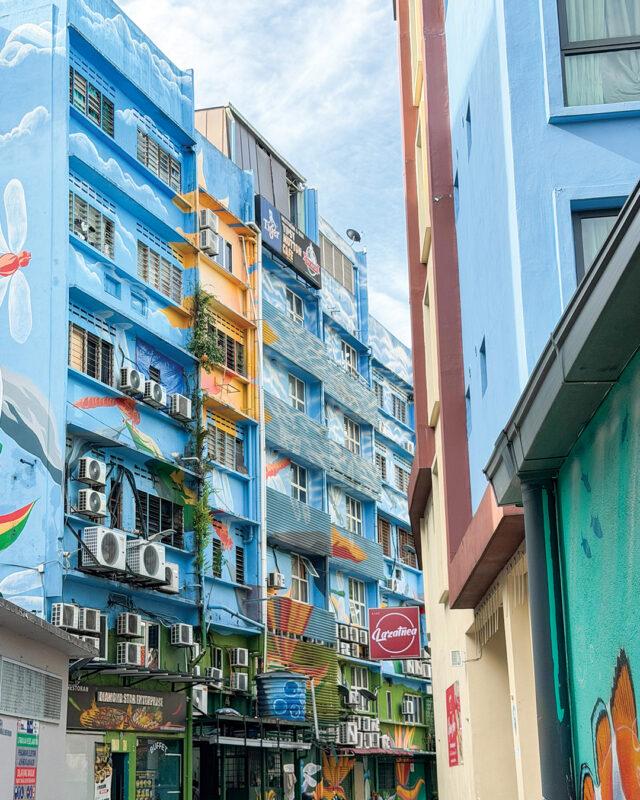
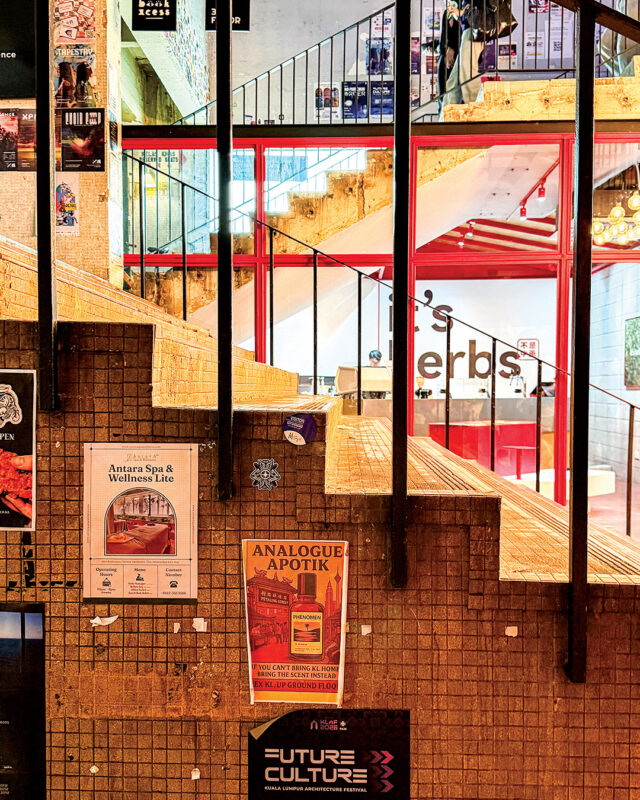
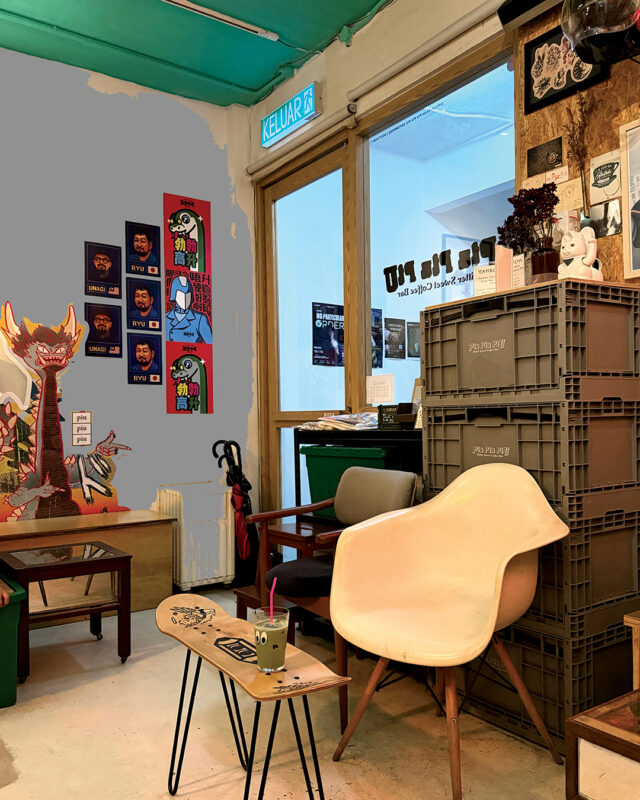
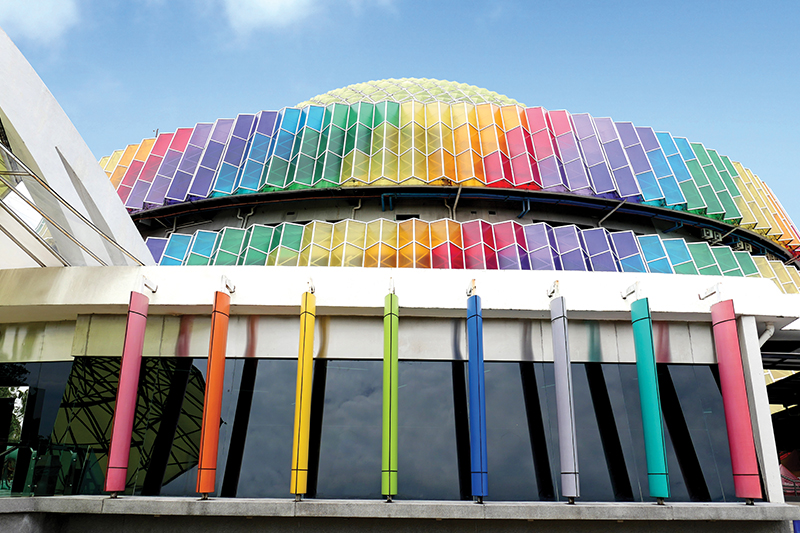
Today, Kuala Lumpur reveals itself not merely through monuments, but through the rhythms of daily life. From a primeval rainforest reserve in the city center to repurposed cinemas, mural-clad streets, and design-forward retail spaces, these six destinations offer an intimate portrait of a metropolis that thrives on reinvention.
KL FOREST ECO PARK
Who would expect a 23-hectare swathe of protected rainforest rising amid the financial district’s skyscrapers? First established in 1906, and formerly known as Bukit Nanas Forest Reserve, KL Forest Eco Park serves as the city’s verdant lung.
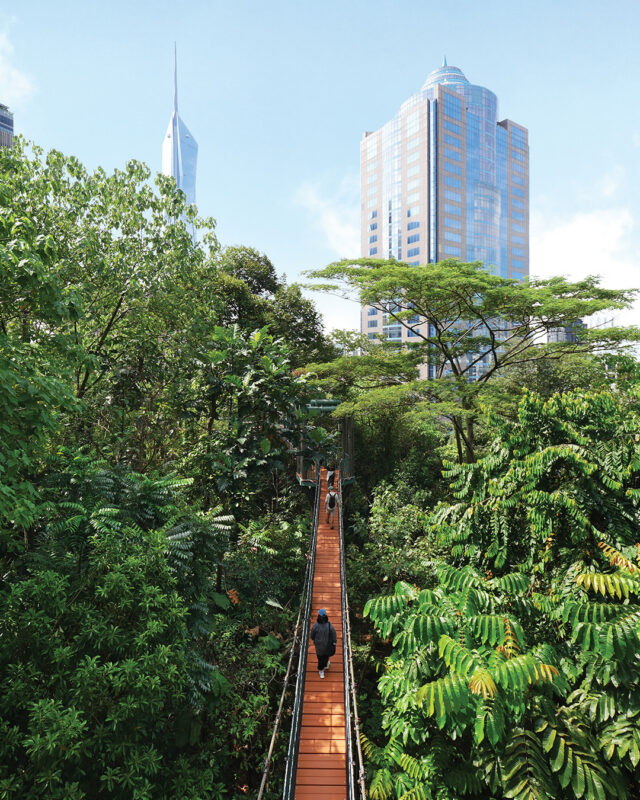
The transition is immediate and almost theatrical – one step beyond the gates and the city’s metallic hum recedes into birdsong and the rustling of leaves. Well-marked trails wind through dense tropical foliage alive with butterflies, birds, macaques, and langurs. The highlight is the 200-meter Canopy Walkway, suspended some 20 meters above the forest floor. From this elevated vantage point, the contrast is breathtaking – primeval greenery in the foreground, and, beyond it, the futuristic silhouettes of Menara Kuala Lumpur and Merdeka 118 punctuating the horizon.