Returning to a place after many years means meeting an earlier version of yourself as well as a changed landscape. On his first visit to Nepal, Kowit Phadungruangkij was weighing questions about work, happiness and the life he wanted to lead. Three decades later, the Kathmandu Valley draws him back to its inhabited squares, shrines and daily rituals. His account follows both journeys, considering how a place can stay with us long after we leave and reveal something new when we return.
I have always believed that a single book can alter the course of a person’s life. In much the same way, a place imbued with meaning can leave an indelible imprint upon the soul. All it takes is for these encounters to arrive at precisely the right moment.
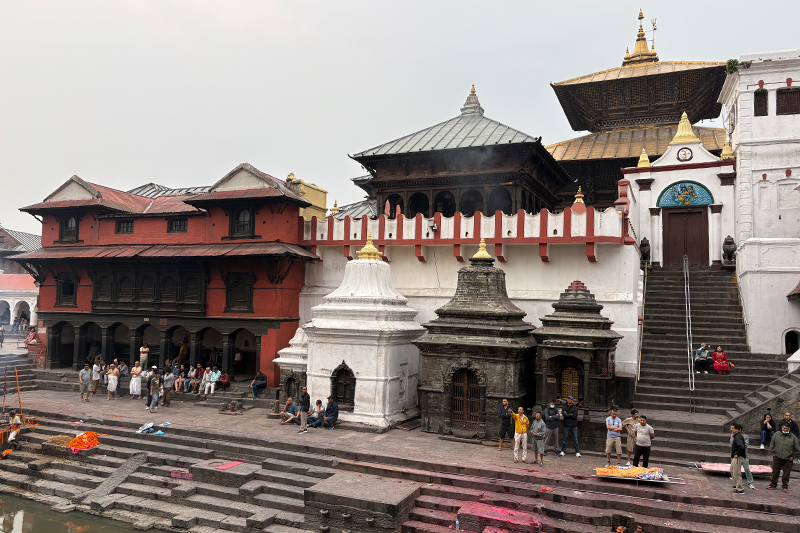
Looking back to 1996, I was at that uncertain stage of life our culture calls benjaphes – the threshold between youth and maturity. It was an age of confusion, of searching for answers to life’s most essential questions:
What did I truly want?
What was I meant to do with my life?
Was happiness found in pursuing what one loves, or in clinging to the security that so often comes in the form of wealth, possessions, and professional success?
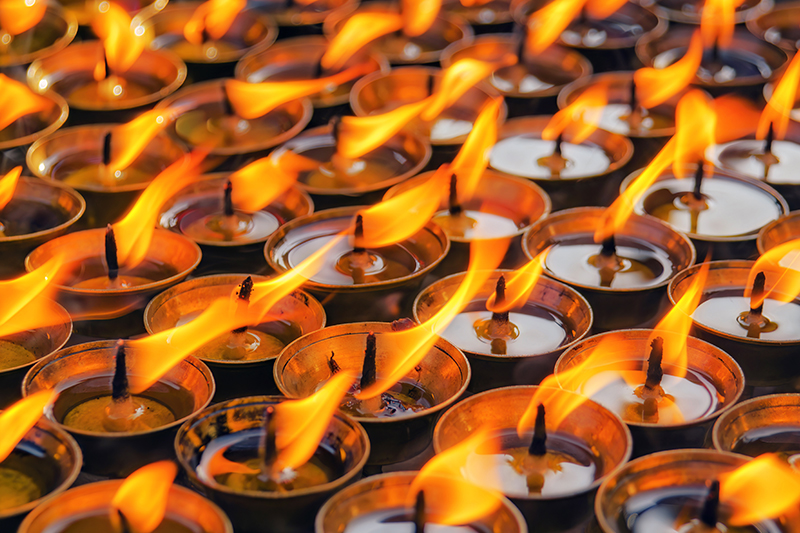
At that time, I found the courage to break free from the confines of my own fears through a slim book by the Indian philosopher Jiddu Krishnamurti.
As though life itself wished to affirm the answers I was beginning to discover, I soon found myself travelling to a small kingdom cradled in the embrace of the Himalayas: Nepal.
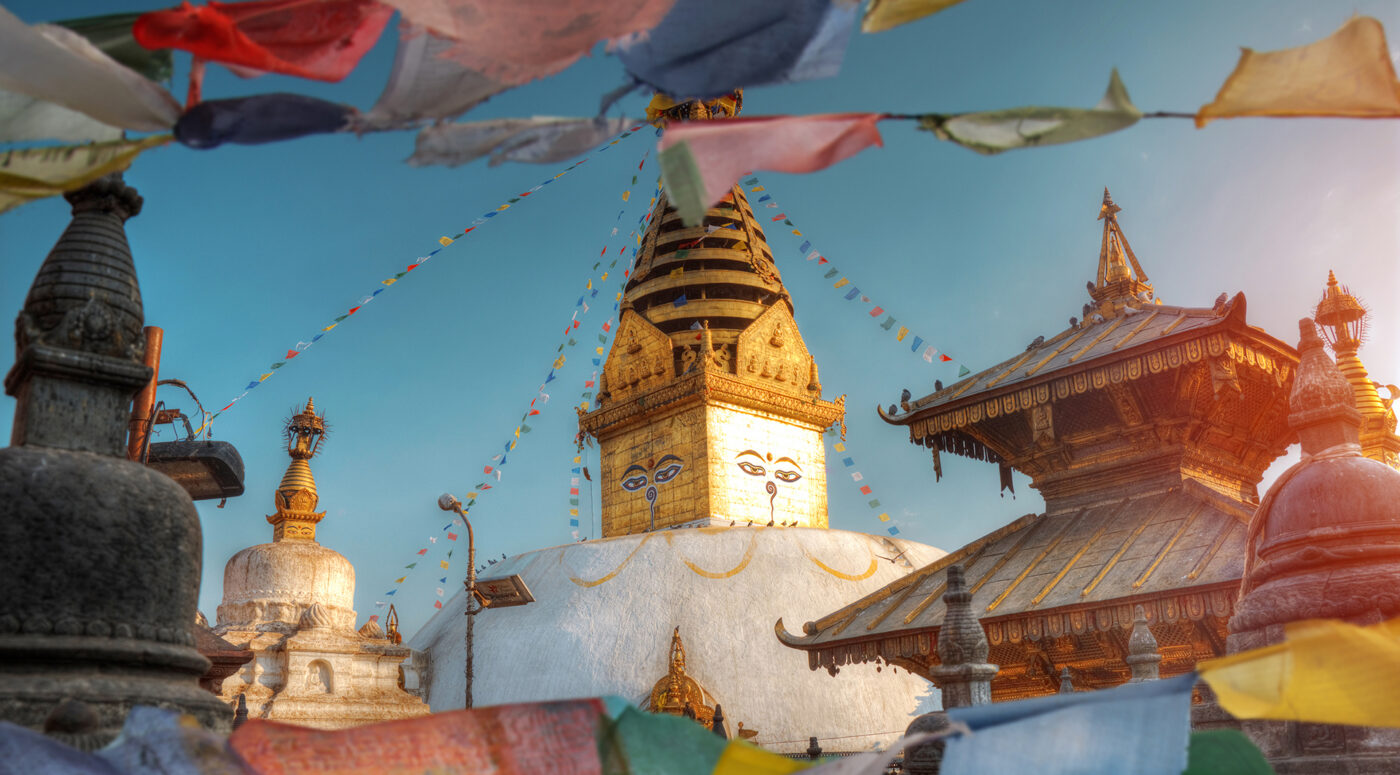
As one writer once observed, “the Kathmandu Valley has more temples than houses, and more images of gods than people”. Among these, seven protected monument zones within three magnificent cities: Kathmandu, Patan, and Bhaktapur have been recognized by UNESCO as a World Heritage Site since 1979.
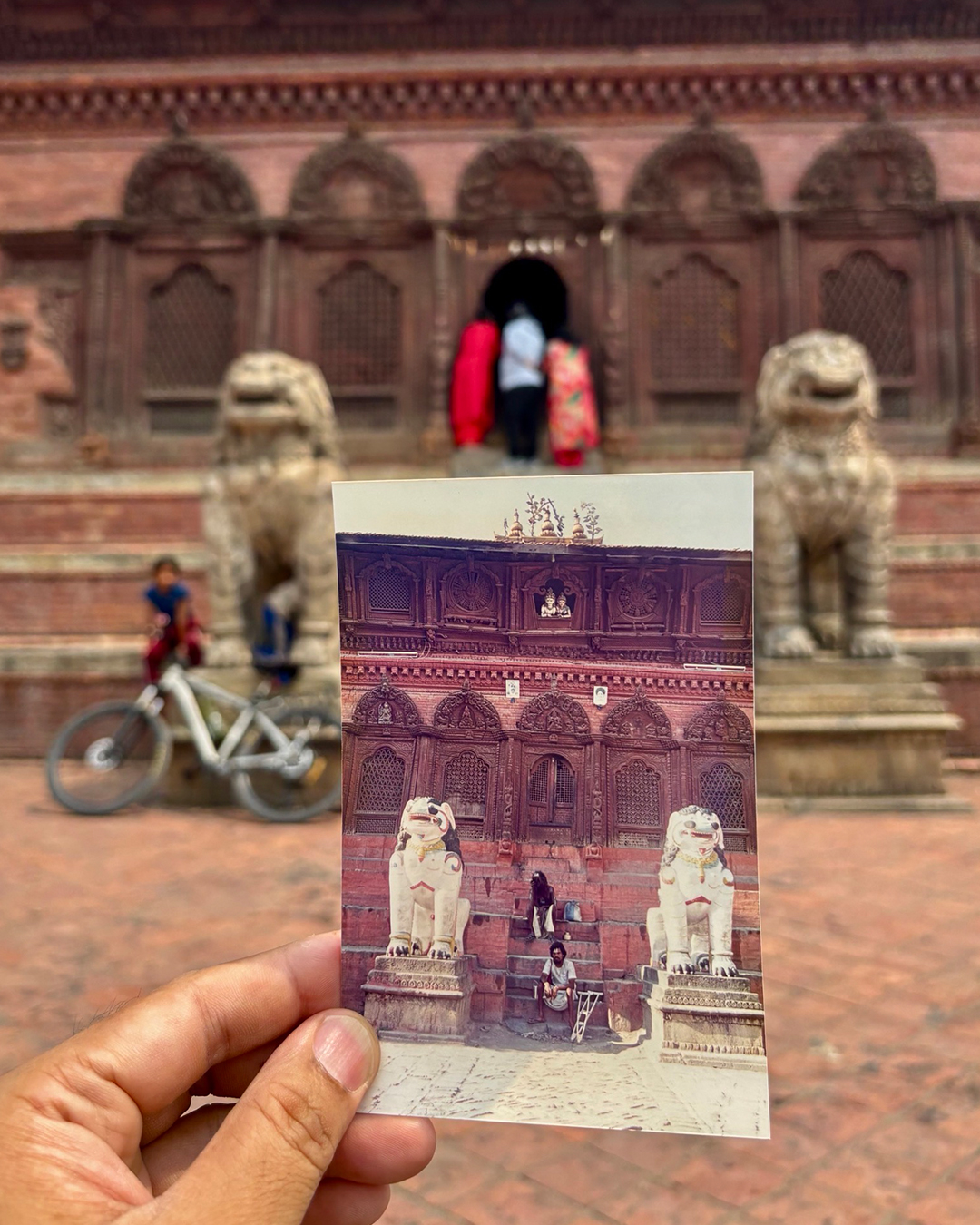
Though three decades have now passed, my memories of those ten unhurried days wandering through the Kathmandu Valley remain astonishingly vivid. I made friends with Nepalis. I witnessed the profound devotion of the Tibetan Buddhist community. And I discovered something I had never encountered elsewhere.
Close encounters with living heritage
In other parts of the world, many World Heritage Sites are so meticulously preserved, so carefully arranged for visitors, that they sometimes seem strangely detached from the people who once gave them life.
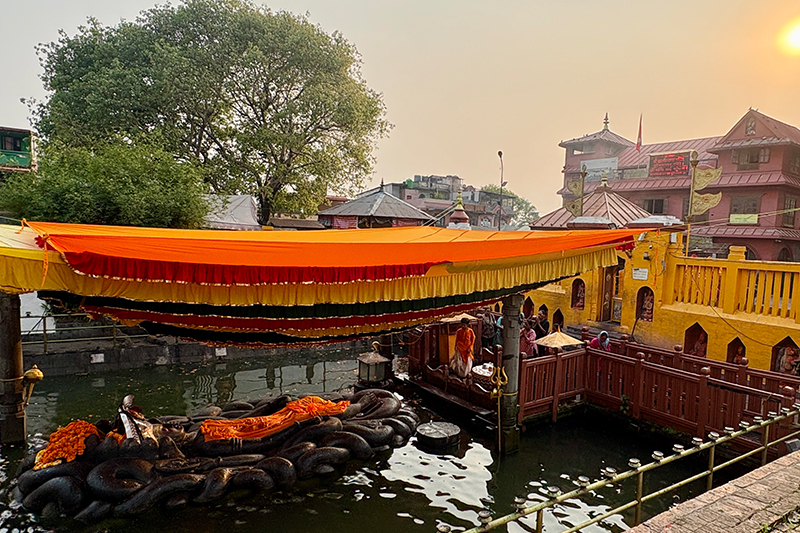
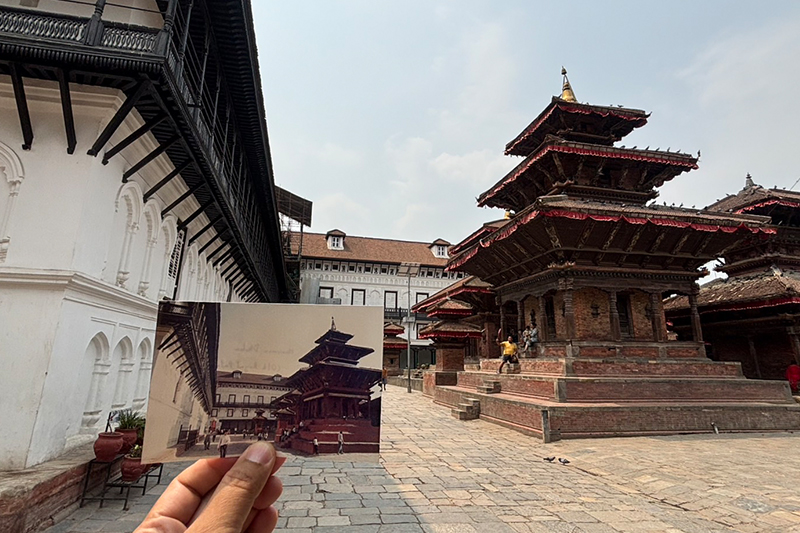
The three ancient cities of the Kathmandu Valley are the very opposite. Here, the World Heritage Sites are very much alive. They can appear chaotic, even untidy, yet they pulse with extraordinary vitality. People continue to live among centuries-old palaces, exquisitely carved wooden temples and shophouses nestled within the Durbar Squares of all three cities, much as their ancestors have done for generations stretching back over a thousand years.
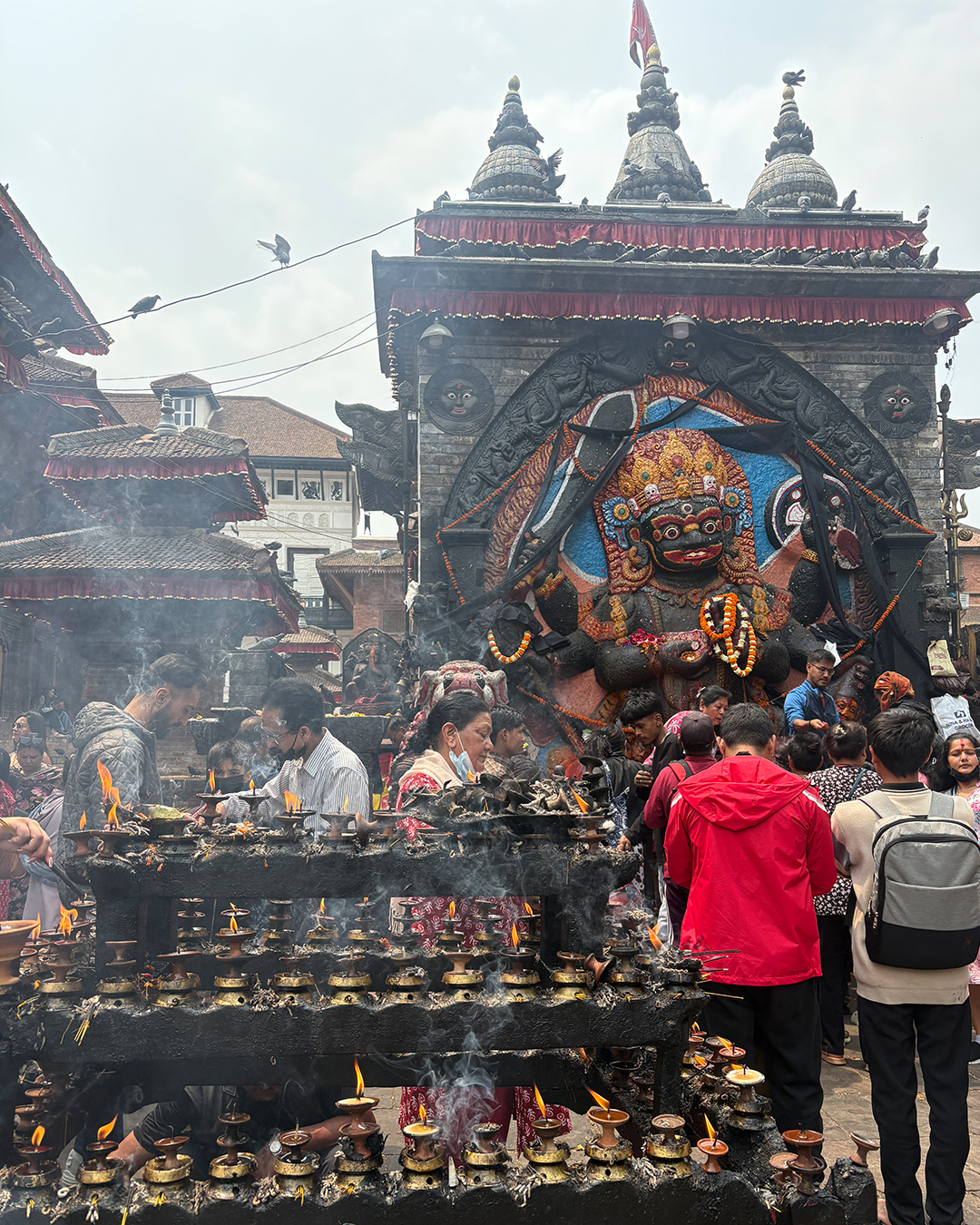
Back then, there was no such expression as sai mu—the Thai slang now used to describe those drawn, sometimes irresistibly, to deities, sacred rituals, and all things mystical. Yet even then, I could sense that faith in Nepal was not confined to temples or ceremonies. It flowed effortlessly into the rhythm of everyday life.
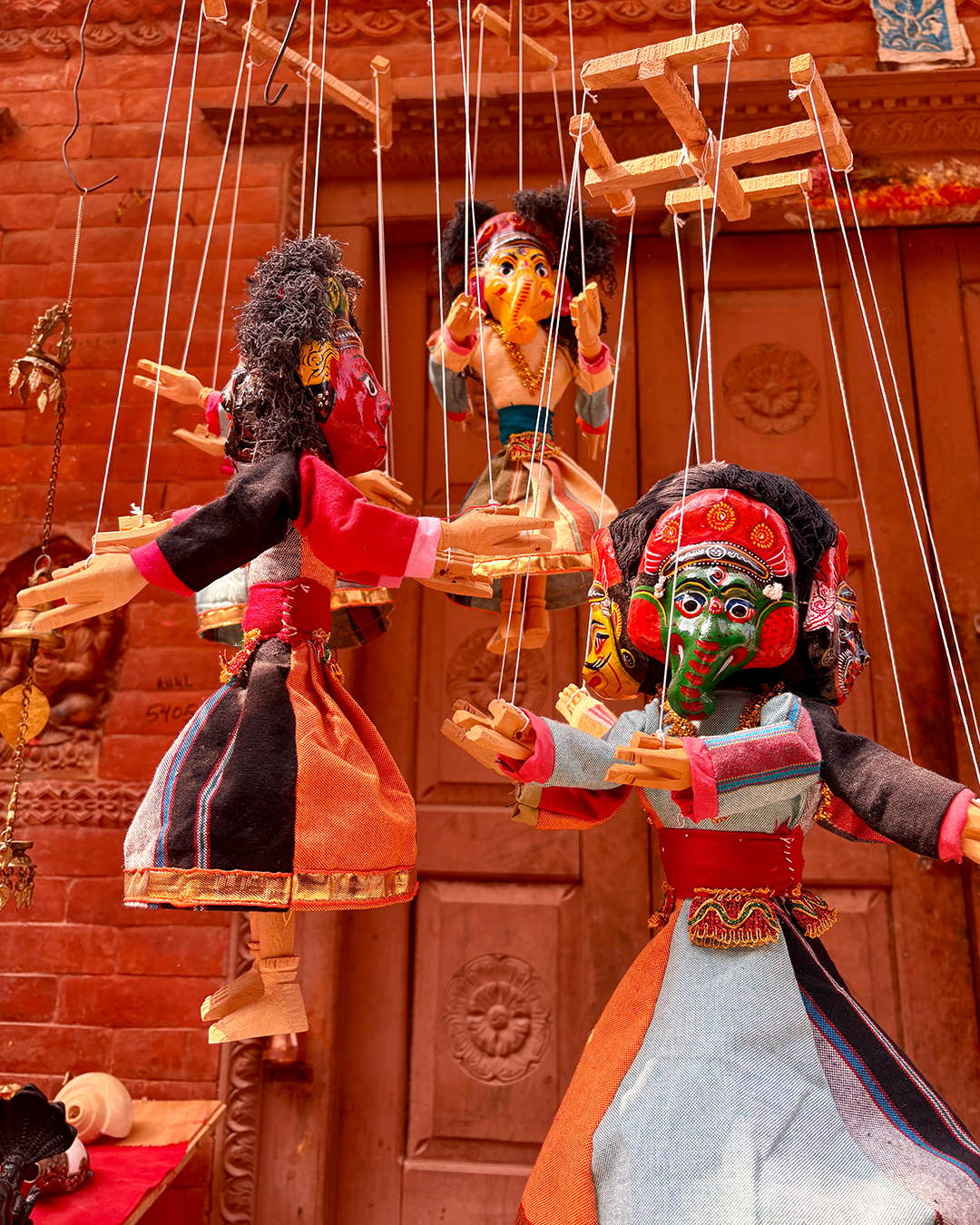
Each morning, I watched Nepalis pause before roadside shrines dedicated to Ganesh, the Remover of Obstacles. It seemed that every street corner possessed its own guardian deity.