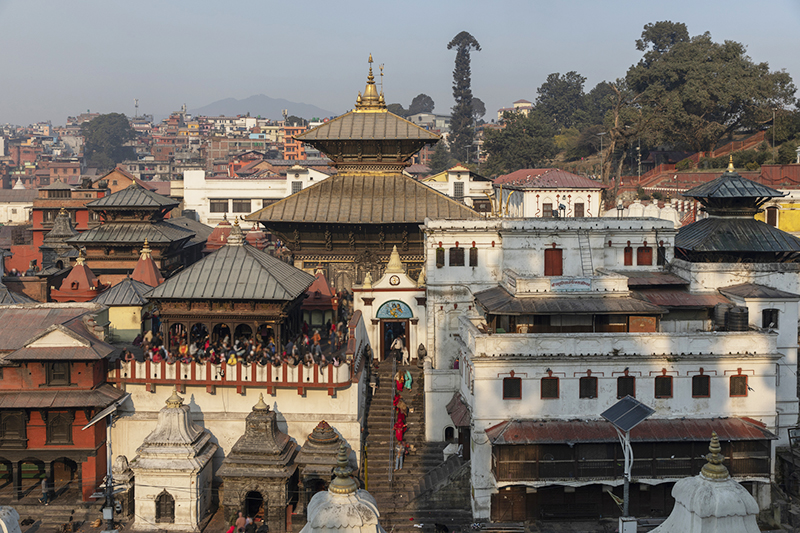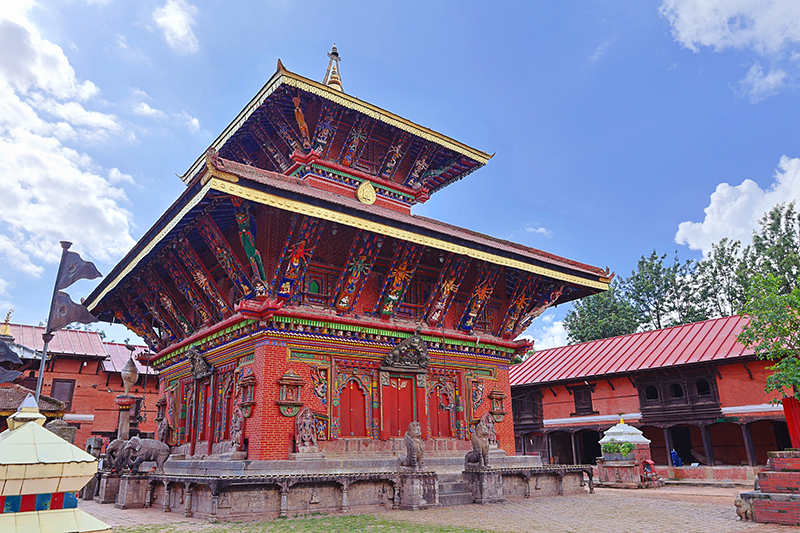
The Kathmandu Valley is often described as an open-air museum, but its sacred sites are far more than historical monuments. Across the valley, temples, stupas, and royal squares remain active centers of worship, gathering, and tradition. Bells still ring at dawn, pilgrims continue to circle shrines in prayer, and festivals follow rhythms established generations ago.
For centuries, the valley served as a crossroads of trade, religion, and artistic exchange between South Asia, Tibet, and the Himalayan world. This rich heritage produced a remarkable concentration of sacred architecture, much of which continues to play an important role in daily life today.
Visitors quickly discover that the Kathmandu Valley is not defined solely by its history, but by the continuity of practices that keep these places meaningful. From hilltop stupas overlooking the city to ancient temple complexes where rituals unfold every day, these five sanctuaries offer an unforgettable introduction to the spiritual landscape of Nepal.
THE VALLEY’S TIMELESS WATCHTOWER
Swayambhunath Stupa
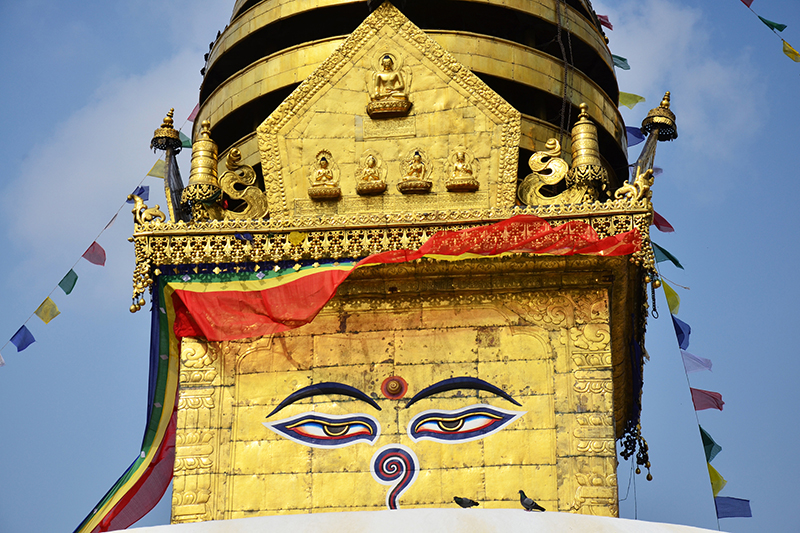
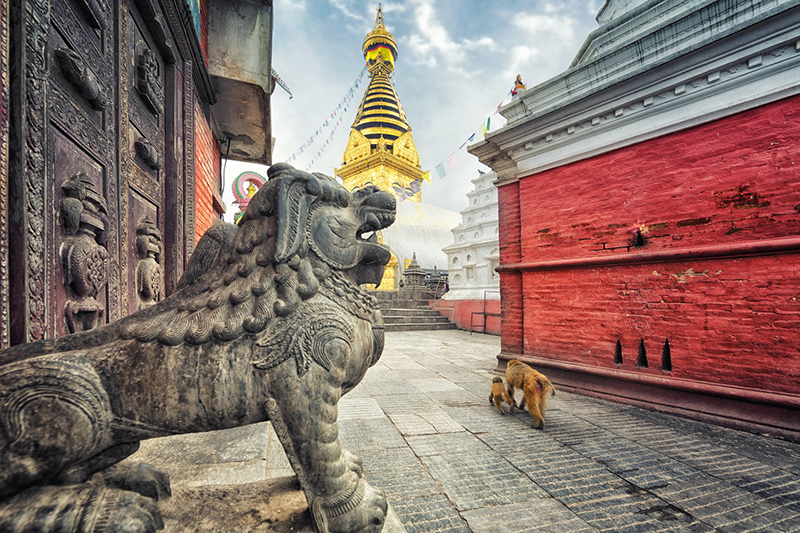
For centuries, Swayambhunath has watched over the Kathmandu Valley from its hilltop sanctuary. Often known as the Monkey Temple, it remains one of Nepal’s most recognizable spiritual landmarks, drawing pilgrims, monks, and visitors seeking both reflection and panoramic views across the city.
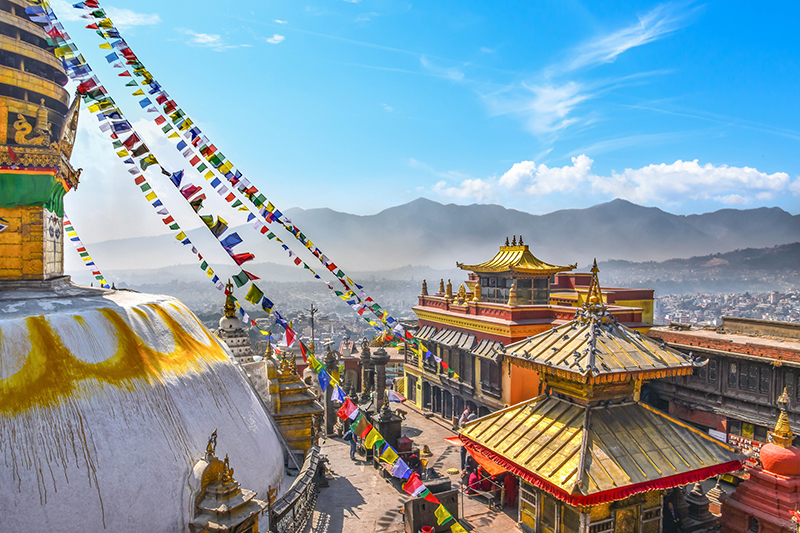
The site’s iconic white dome and gilded spire are adorned with the Buddha’s all-seeing eyes, symbolizing wisdom and awareness. Pilgrims spin prayer wheels, light butter lamps, and walk clockwise around the stupa, continuing traditions that have endured for generations.
At sunrise and sunset, the atmosphere becomes especially memorable as prayer flags flutter in the breeze and the sounds of chanting mingle with sweeping views across the valley below.
THE HEART OF TIBETAN BUDDHISM IN NEPAL
Boudhanath Stupa
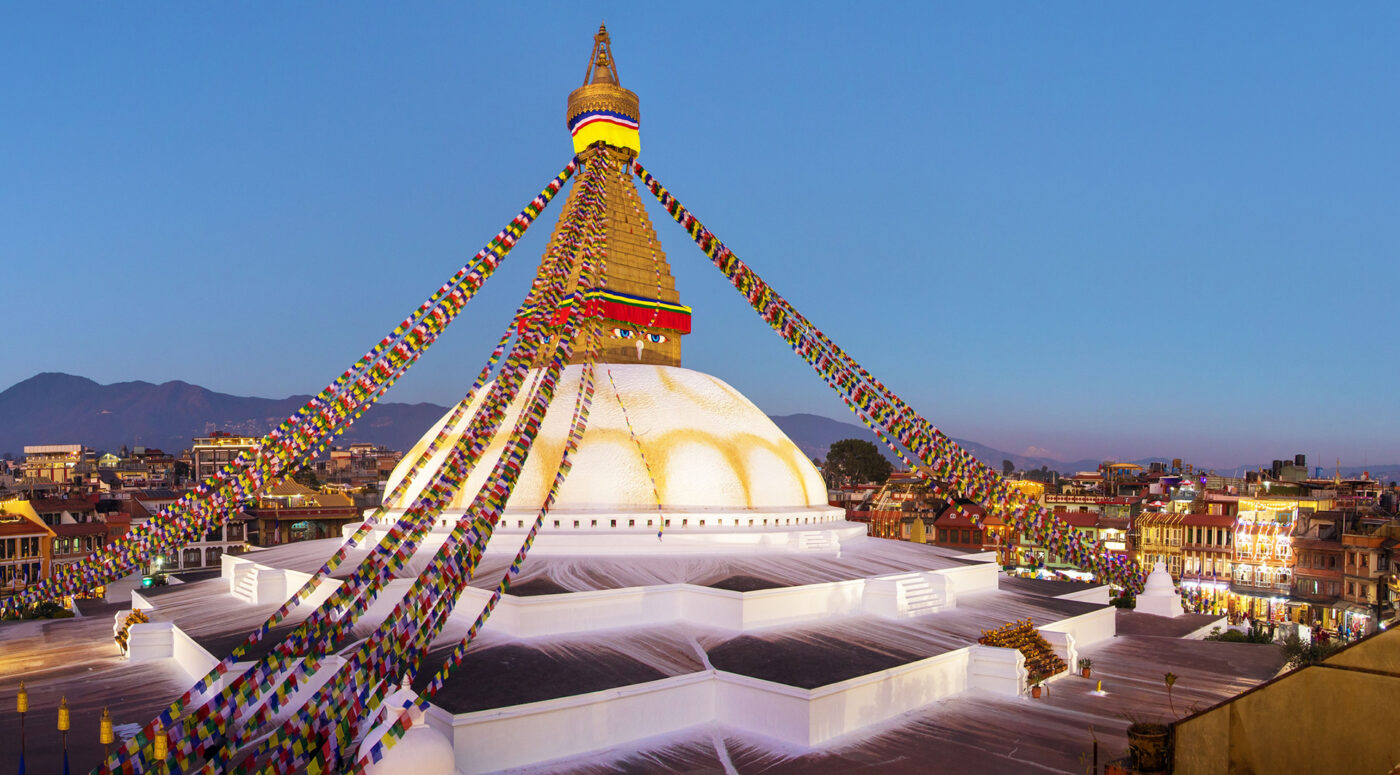
The steady rhythm of prayer wheels and murmured mantras defines daily life around Boudhanath. As one of the world’s largest stupas and an important center of Tibetan Buddhism, it serves as both a place of worship and a gathering point for a vibrant spiritual community.
Throughout the day, devotees circle the stupa in a continuous flow, creating a sense of movement and devotion that is both calming and captivating. Monasteries, prayer halls, and traditional shops surround the monument, adding to its distinctive atmosphere.