Travel is shifting as modern curiosity meets changing global conditions. Today’s travelers are moving past traditional sightseeing to embrace screen-free retreats, hands-on cultural workshops, cooler northern escapes, and quick micro-cations. These six emerging trends reflect a growing desire for authentic, intentional experiences that offer real connection in a fast-paced world.
Human curiosity is a powerful thing – so much so that it can lead people to leave their homes, step away from familiar routines, and set out to explore unfamiliar landscapes, encounter new belief systems, and savor unforgettable flavors. For millennia, curiosity has led us to build connections with people in distant lands, paved the way toward new opportunities and experiences, and underpinned our insatiable interest in an enduring activity: travel.

Geopolitical tensions may have recently erupted into conflict this year, leading to a global energy price crisis and compelling many people to adjust their travel plans. Yet this massive industry, anchored in the innate curiosity of our species, has not ground to a halt; it has merely shifted its form to align with a new context. Travelers wary of airspace closures are choosing airlines that offer robust compensation for disruptions or possess alliance networks that provide alternatives during unforeseen events. Meanwhile, a large, younger demographic of travelers is prioritizing specific experiences that their parents’ generation might have overlooked. At the same time, technology remains a primary force guiding these developments – it simultaneously makes certain trends popular while also creating a sense of digital fatigue that has prompted some to find ways to limit its role.
Here, we select six trends that are influencing our travel plans.
1. Digital Detoxing: The screen-free holiday challenge
Information technology brings myriad blessings, allowing us to hold remote meetings with teams halfway across the world or video call loved ones whenever we wish. However, a 24-hour, hyper-connected world often results in a slowly accumulating stress. Our brains remain in a constant state of alertness – we are forever worrying whether someone has messaged us, how smoothly the world around us is running, or if we are missing out on the latest news. Some become so anxious that they cannot focus on what is right in front of them, experience poor sleep, and ultimately see a negative impact on their work productivity, daily life, and relationships with family members.
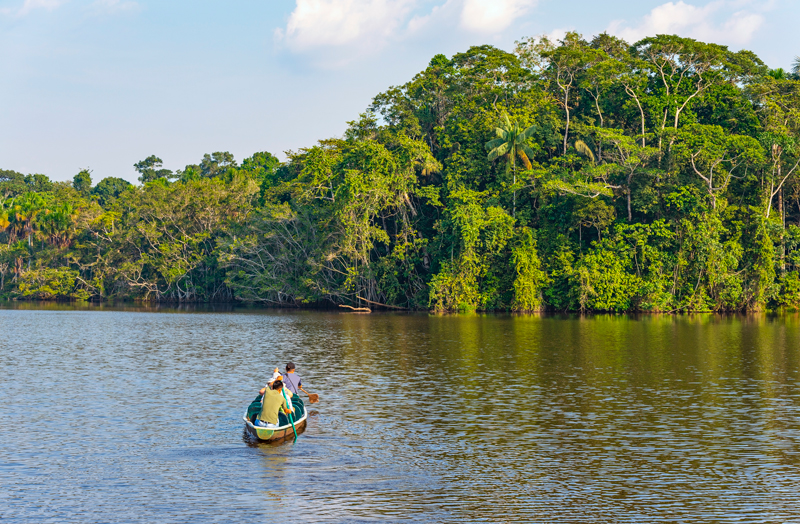
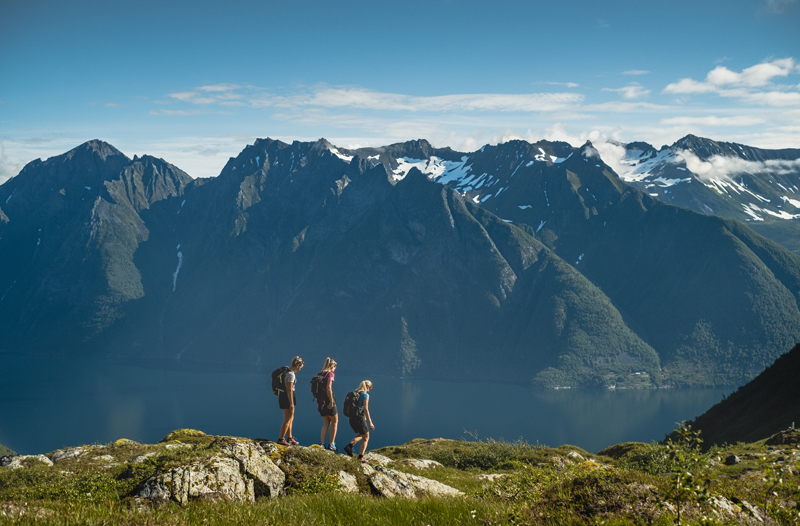
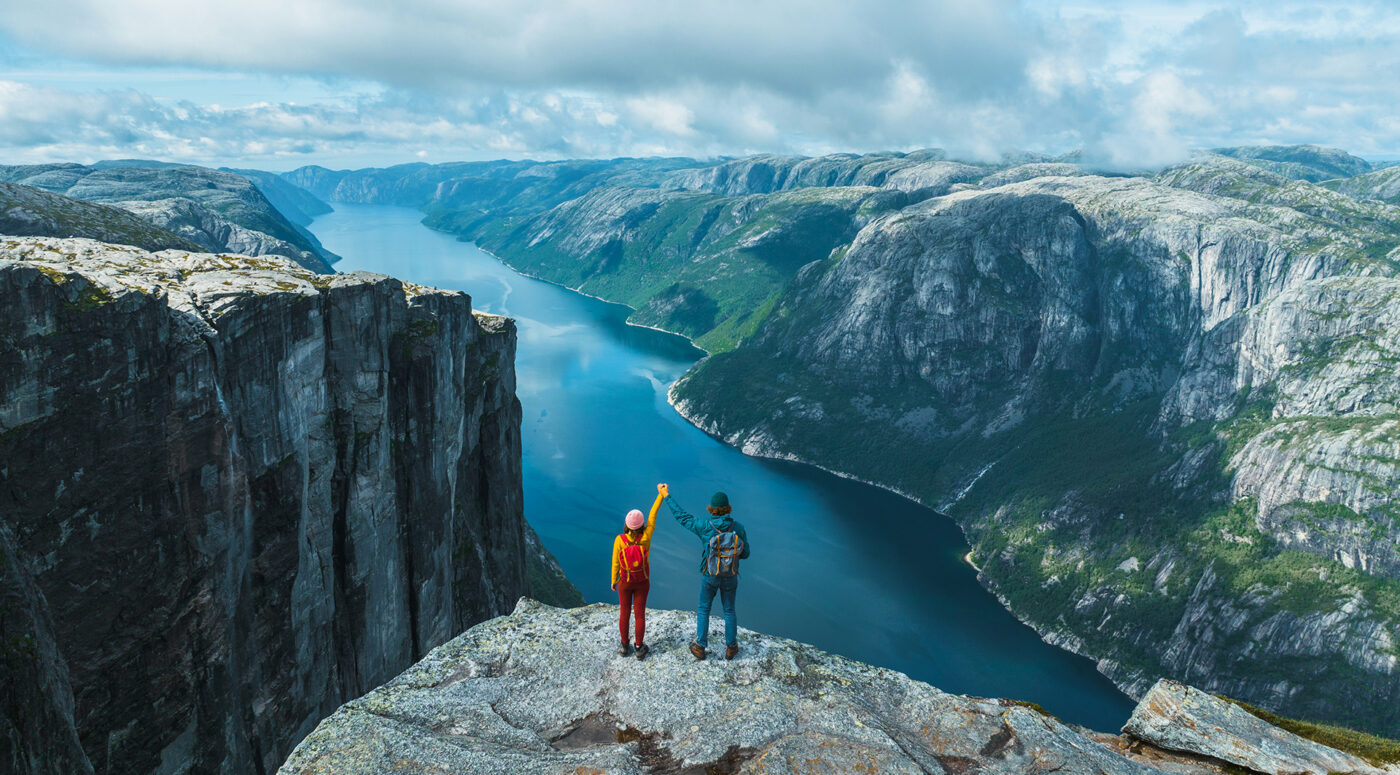
According to the Hilton Trend Report 2025, up to a quarter of survey respondents want to reduce their social media time during their travels. Some wish to disconnect from the digital world entirely, opting to live ‘off-grid’ for a week to explore remote natural destinations largely untouched by the internet – such as traversing the vast Gobi Desert, drifting slowly down the Amazon River on a boat through lush green forests, or summiting Mount Everest.
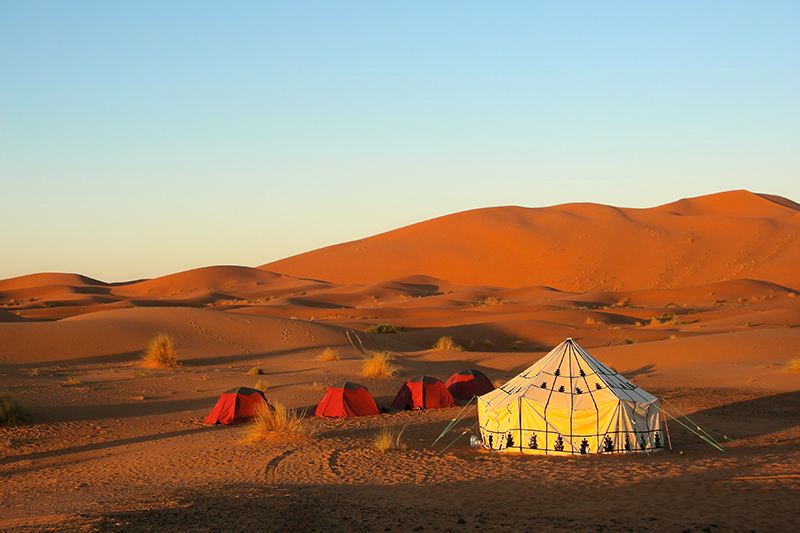
However, if you do not desire that level of adventure, booking a stay at a wellness sanctuary in Thailand is an appealing alternative. Many offer digital detox programs that encourage guests to refrain from using mobile phones, televisions, and electronic devices with a view to immersing themselves in meditation and yoga classes amidst serene nature.
2. The Craftcation: Seek out hands-on experiences
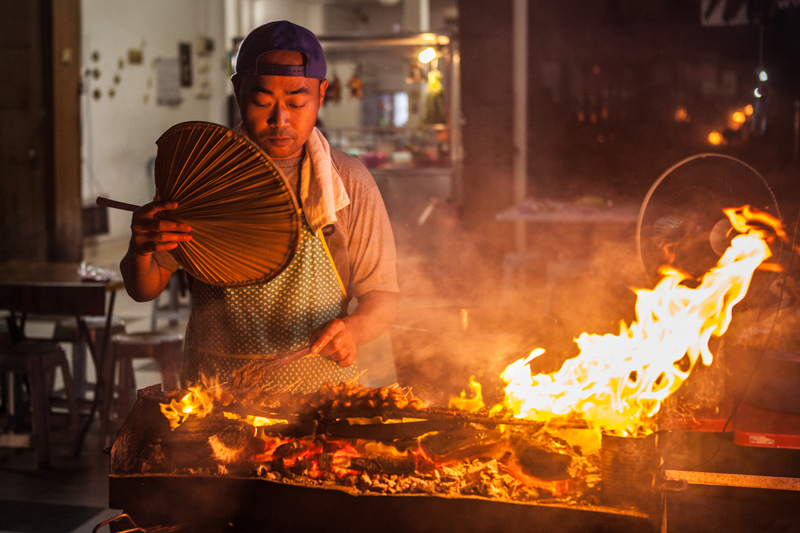
Sightseeing and photographing major landmarks remain indispensable elements of a travel itinerary. However, in an era where we are overly accustomed to seeing beautiful angles of the Arc de Triomphe in Paris or the pyramids in Egypt, what leaves a deeper imprint on our memory is spending time learning a skill and creating something with our own hands. A growing number of travelers are seeking out studios that offer short-term workshops, providing an opportunity to discover regional cultural heritage and local craftsmanship.
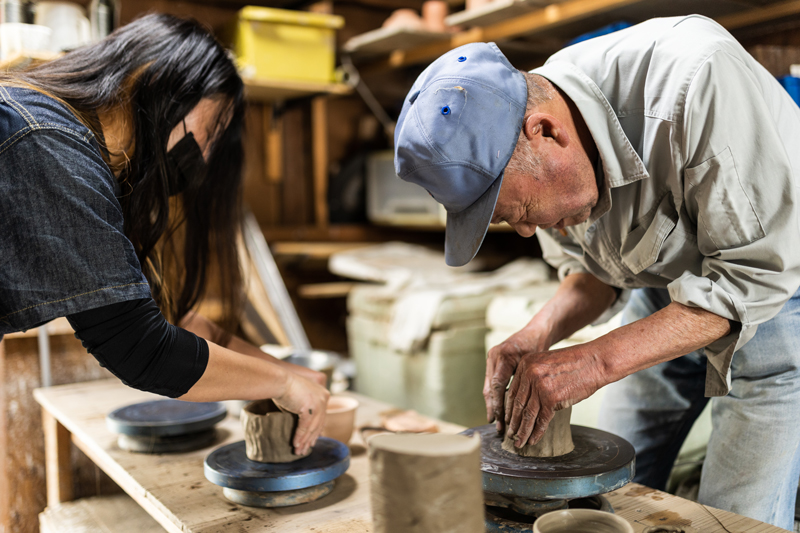
Those who have spun clay on a wheel at a pottery school in Arita on Japan’s Kyushu Island, or pressed Rajasthani-style wooden printing blocks onto a piece of Indian cotton, know full well how deeply satisfying an experiential, hands-on activity can be.