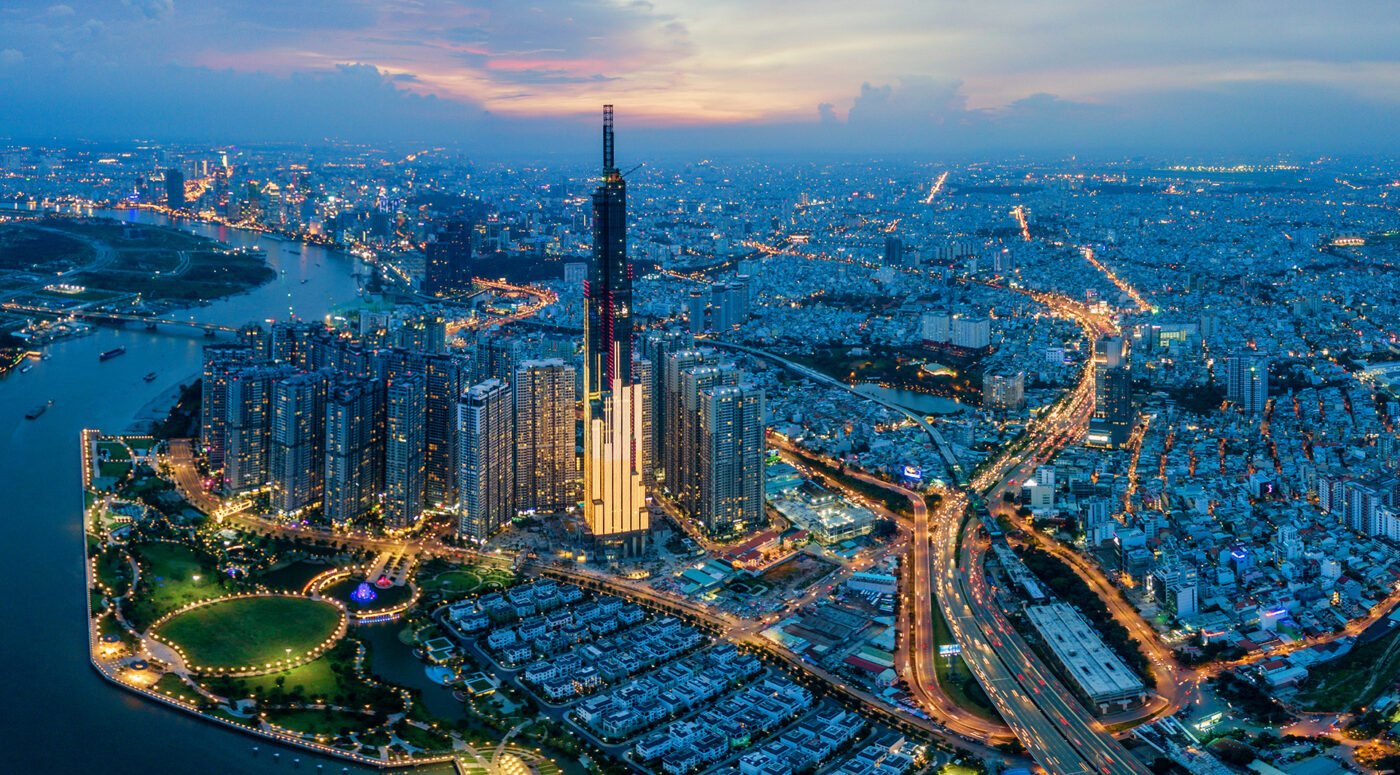
Travelers once measured it by yellowed French stucco and the unending roar of two-stroke engines. Today, Saigon simply moves faster than memory. Nothing stands still long enough to go stale. It is a city that sheds its skin before the sun goes down, offering anyone with eyes a place that is alive, unsparing, and constantly beginning again.
Ho Chi Minh City (HCMC) is one of Asia’s great shapeshifters. In the span of only a decade, new skylines emerged, entire neighborhoods became unrecognisable, apartment blocks transformed into creative hubs, and hidden alleyway bars and cafés materialized as if by magic.
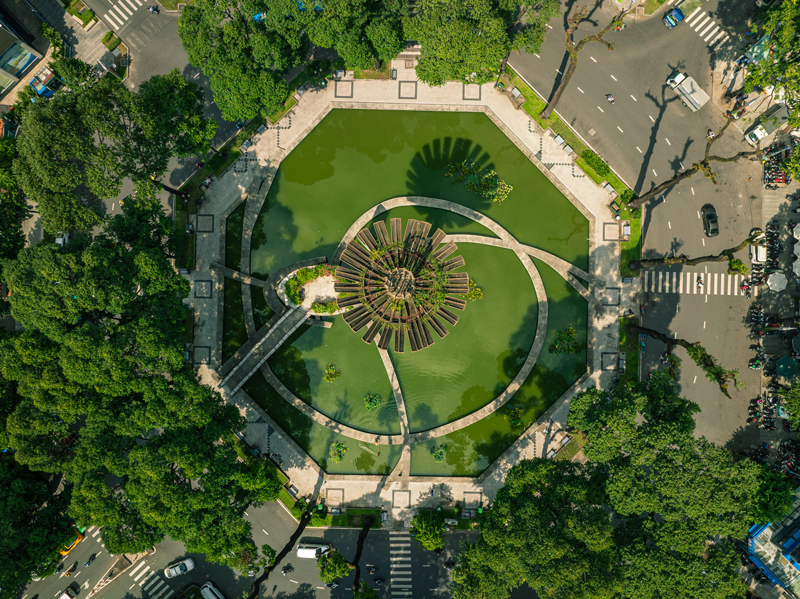
In a chaotic world, HCMC has an unusual ability to adapt quickly to global shifts. Economic booms, changing travel trends, new technologies, evolving food cultures, and waves of international influence are absorbed into the city at stunning speed. That flexibility has helped shape HCMC into one of Southeast Asia’s most dynamic urban centers, populated with urbanites that are endlessly curious about what comes next.
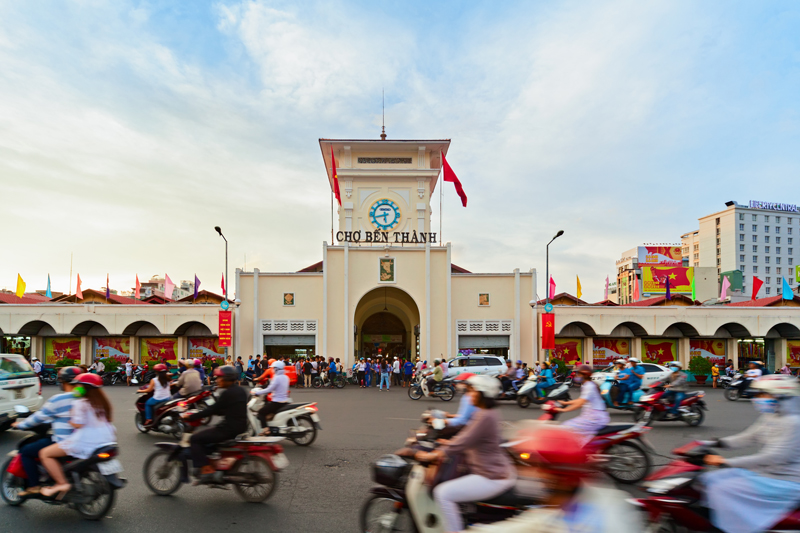
For many visitors, this constant reinvention is all part of HCMC’s appeal. No matter how many times you visit, the city never feels finished. There is always a new restaurant to check out, a new rooftop bar to perch on, a new neighborhood to wander through. HCMC rewards repeat visitors precisely because it refuses to stand still.
DAY 1
Local legends in the center
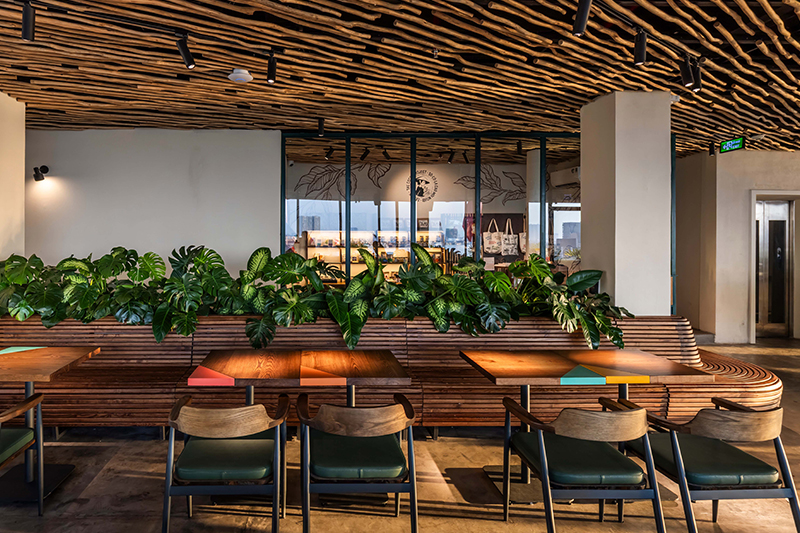
Begin the morning with artisanal Vietnamese coffee at The Running Bean Ben Thanh, a recently opened café designed by local contemporary firm NU Architecture & Design. Then head to the Independence Palace, also the work of a Vietnamese architect – albeit one that hails from half a century earlier, when it was built to replace a colonial-era behemoth. The building’s retro interiors, underground command rooms and untouched meeting halls feel suspended in time as the city swirls around it.
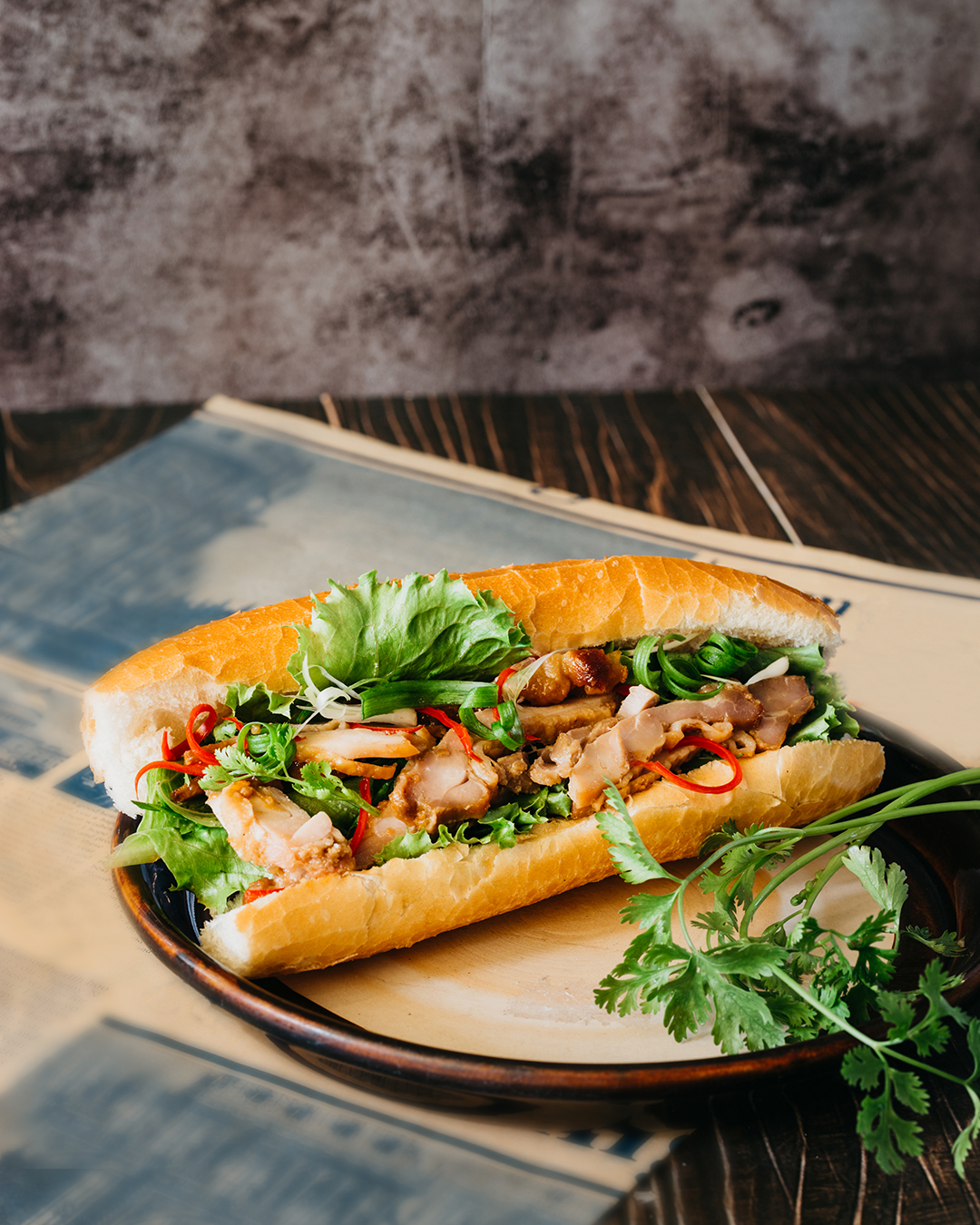
For lunch, stop at Man Moi, where contemporary Vietnamese cooking reinterprets southern flavours in a refined setting. If time – and your emotional bandwidth – allows, spend an hour at the War Remnants Museum, a confronting look at Vietnam’s wartime history. Afterwards, head west to the Secret Weapon Bunker, an overlooked site hidden inside an ordinary neighborhood house used to store weapons during the war years.