Arrival in Poschiavo feels less like entering a destination and more like drifting into a carefully preserved moment. The town emerges gently within the valley, framed by mountains that seem to shelter both its architecture and its unhurried way of life. Past and present coexist effortlessly here, where centuries-old buildings, sunlit streets, and subtle Italian influences create an atmosphere of understated elegance. Poschiavo does not demand attention; instead, it rewards those who pause long enough to absorb its rhythms, textures, and the profound sense of calm that defines this remarkable corner of the Alps.
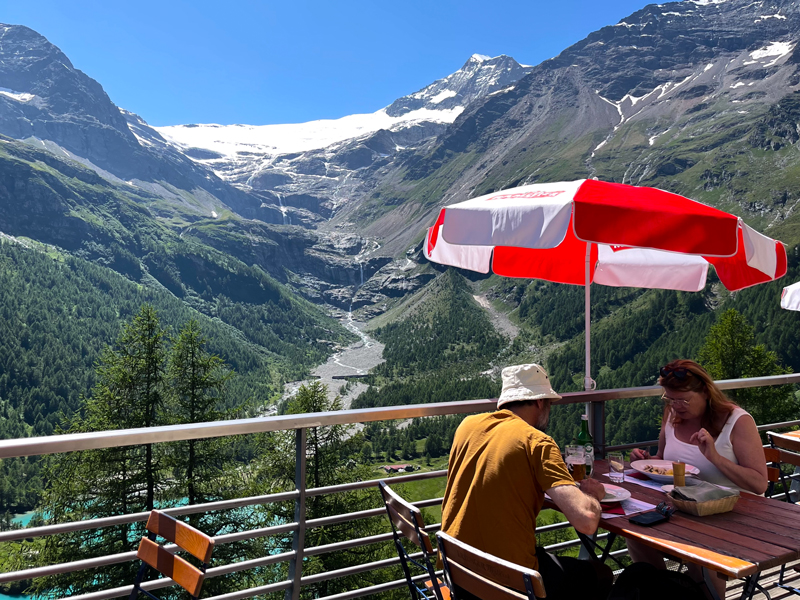
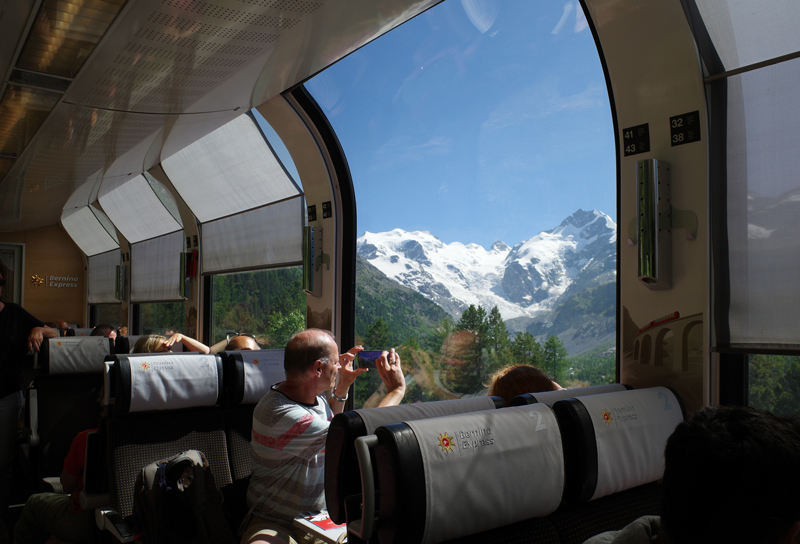
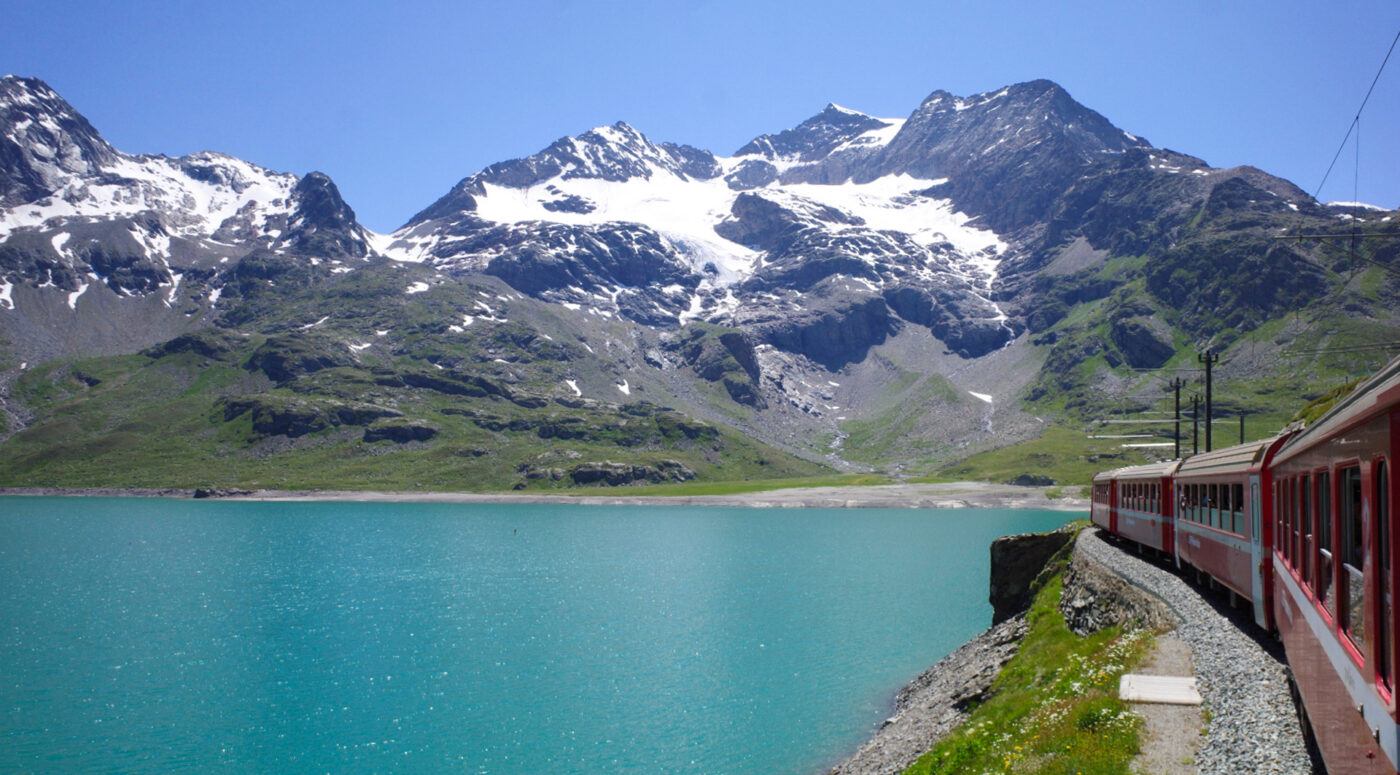
As the train rounds the final curve of the valley, sunlight gently unveils the town of Poschiavo as if revealing a living painting. Soft-toned houses stand in serene order along cobbled streets that seem to stretch endlessly into the distance. This small town does not seek attention; instead, it allows its beauty to unfold slowly, settling effortlessly into the heart of the visitor. And in that very moment, Poschiavo imperceptibly slows the rhythm of life.
Once merely a narrow passage for merchants and travelers bound for the south, Val Poschiavo served as a vital link between the northern Alps and the Italian lands beyond. The turning wheels of carriages and the steady rhythm of footsteps left more than marks upon the earth – they wove stories that shaped the valley’s historical significance.
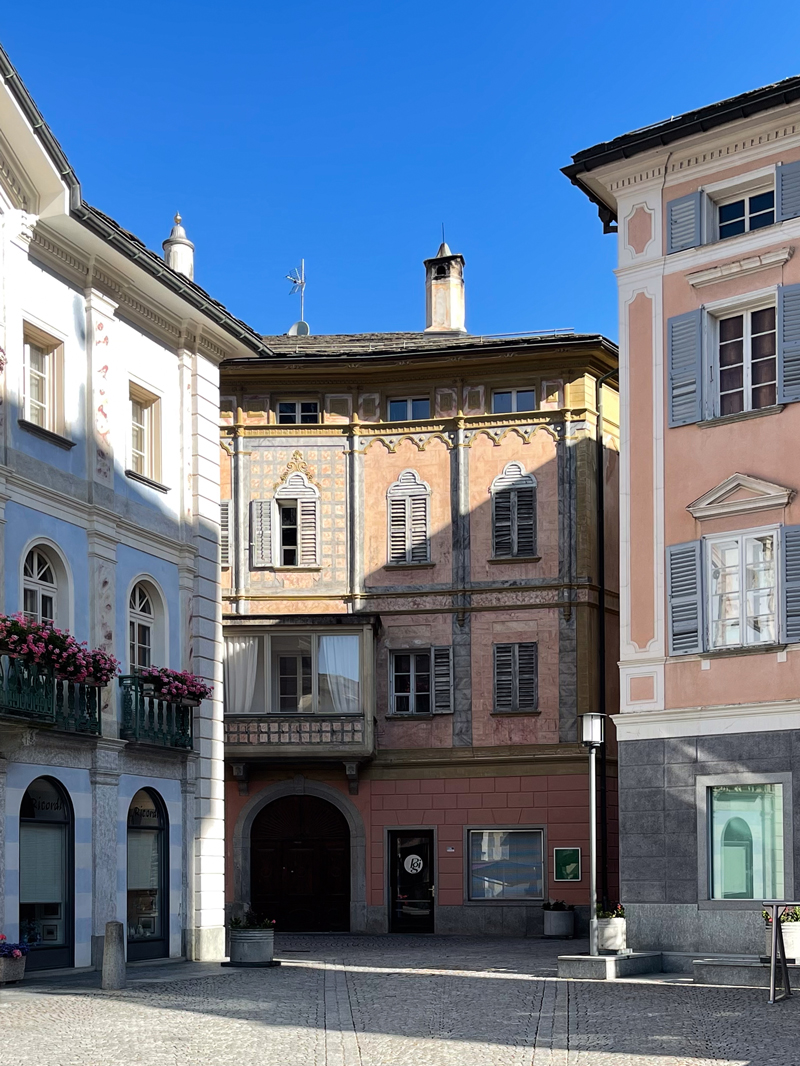
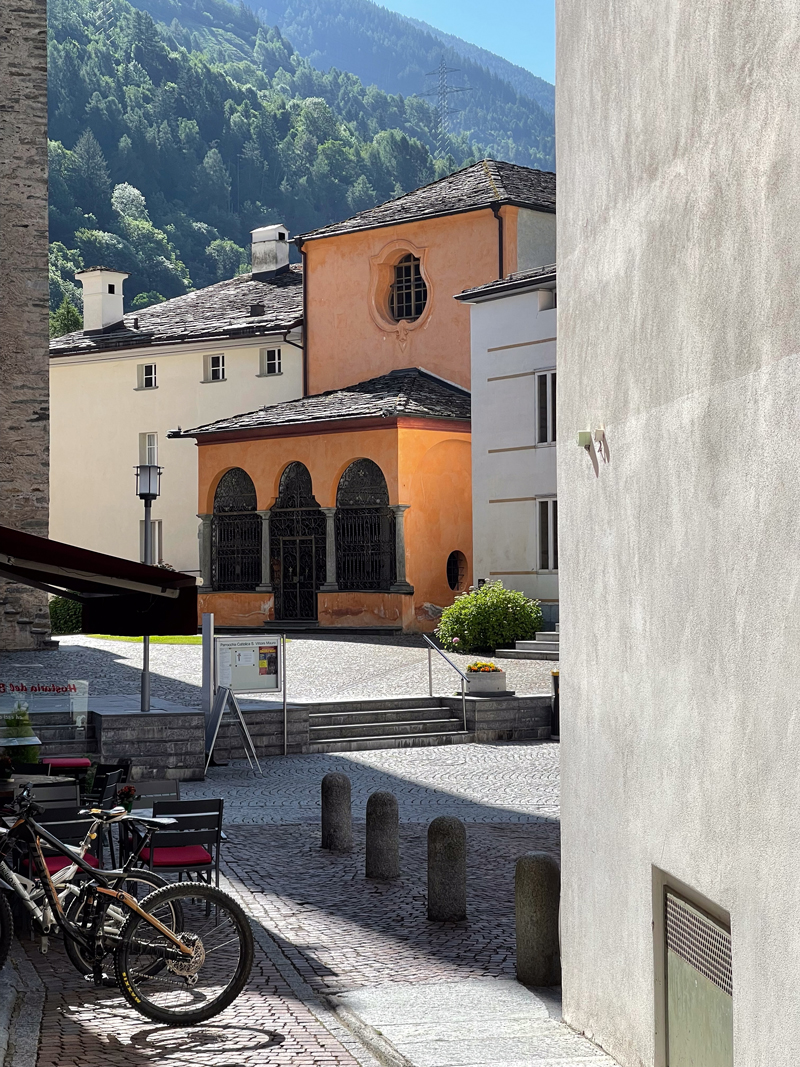
This is the borderland between Switzerland and Italy, and Poschiavo is its principal town. Home to approximately 3,500 residents and situated at an altitude of 1,014 meters, the town is distinguished by its 19th-century architecture. Ten of its buildings are listed as Swiss cultural heritage landmarks, including the stately Palazzo de Bassus-Mengotti, now home to the Valposchiavo Museum; Casa Tomé, a remarkably preserved medieval farmhouse dating back to 1350; and Collegiata di San Vittore Mauro, the town’s late-Gothic parish church and long-standing spiritual center.
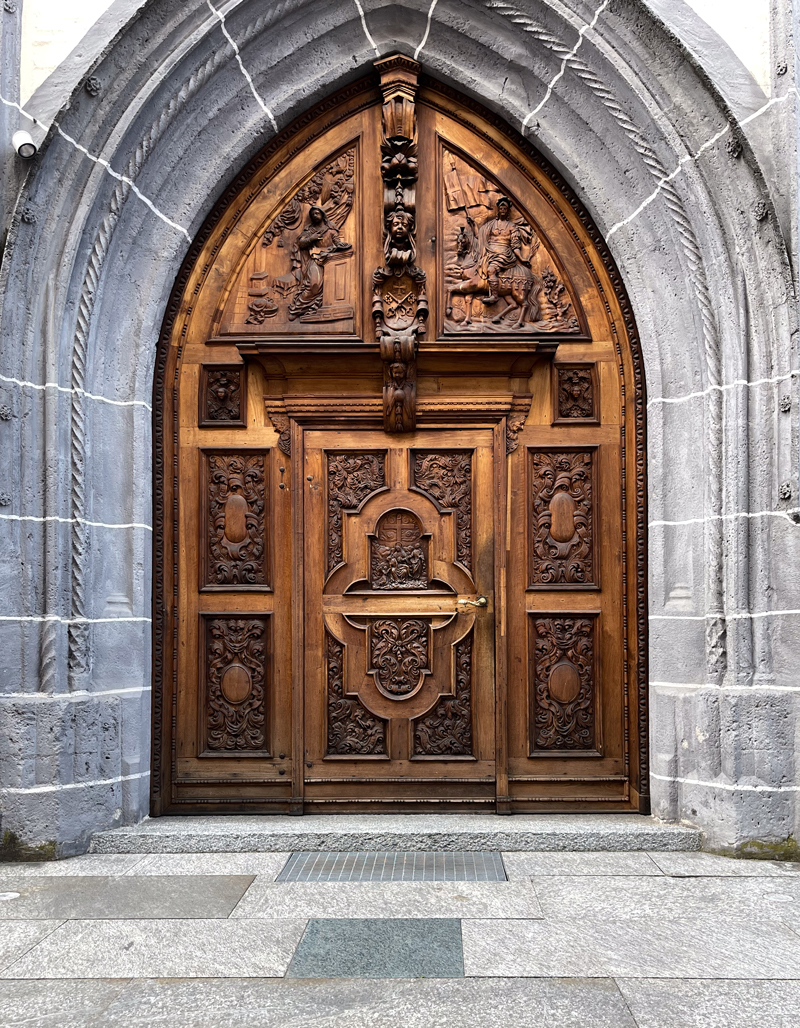
GET LOST IN THE OLD TOWN
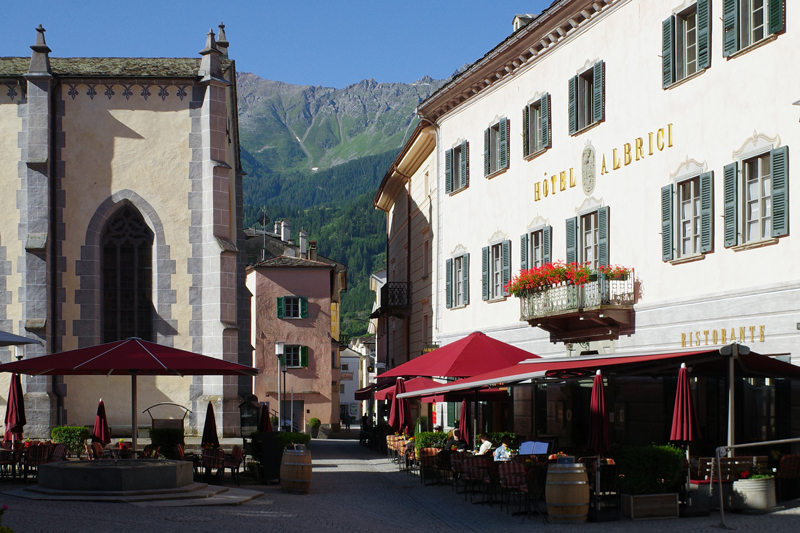
Poschiavo may not be a headline destination for most travelers, but it is a quietly hidden gem nestled deep in an Alpine valley. Here, the line between two cultures fades – the spirited warmth of Italy meeting the calm orderliness of Switzerland. In the town’s central square, Piazza Comunale, several landmarks anchor the scene: Collegiata di San Vittore Mauro with its distinctive Romanesque bell tower; Fontana Storica, a stone fountain that has adorned the square since the early 20th century; and Hotel Albrici, an almost two-hundred-year-old hotel with an atmospheric Baroque hall at its heart. Nearby stand rows of Italian-Swiss style houses where wrought-iron balconies cast fine, graphic shadows onto the sunlit streets.