Rome is often described as an open-air museum, but its history is far from static. The city’s imperial legacy continues to influence its architecture, urban layout, and cultural identity, creating a living connection between past and present. Walking through Rome means moving across layers of history where ancient stones still define modern life.
The Roman Empire once stretched across continents, and its capital was a center of power, innovation, and monumental design. Today, remnants of that era remain remarkably intact, offering visitors a chance to experience history not as distant memory, but as a living legacy embedded in the city’s rhythm.
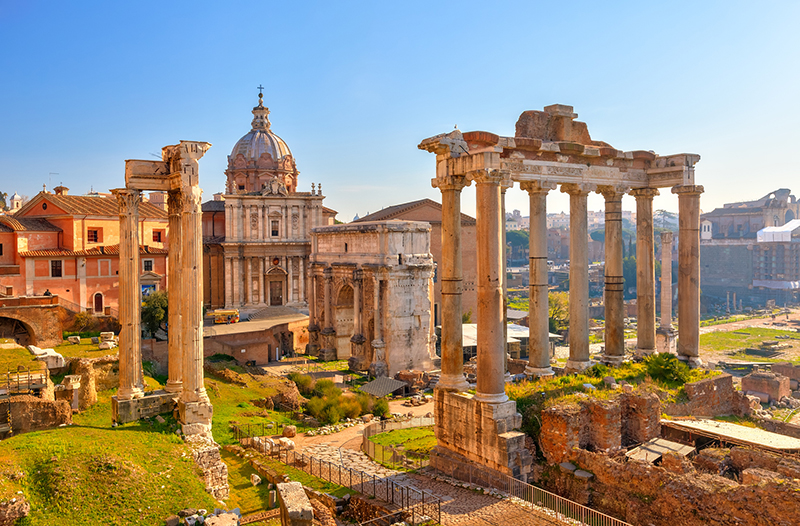
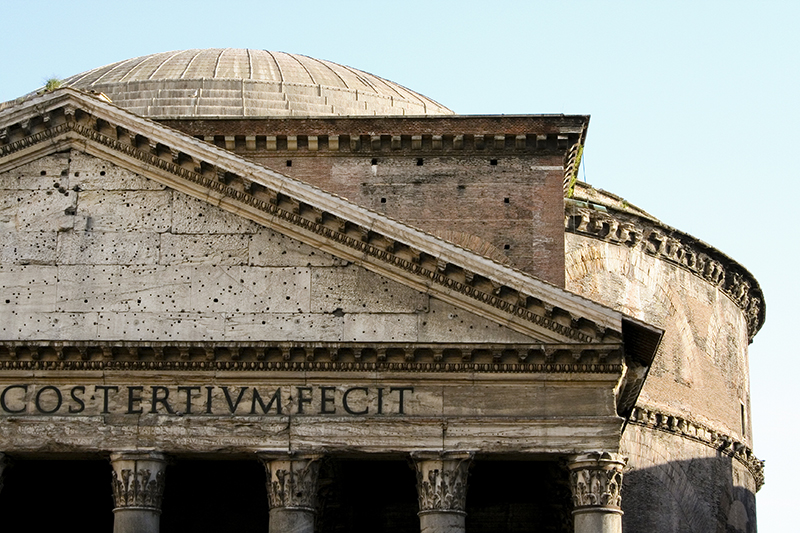
These three landmarks—spanning grand amphitheaters, political centers, and engineering marvels—serve as enduring symbols of Rome’s imperial past, ensuring the glory of history resonates through the generations.
THE COLOSSEUM
Power, Spectacle and Enduring Symbolism
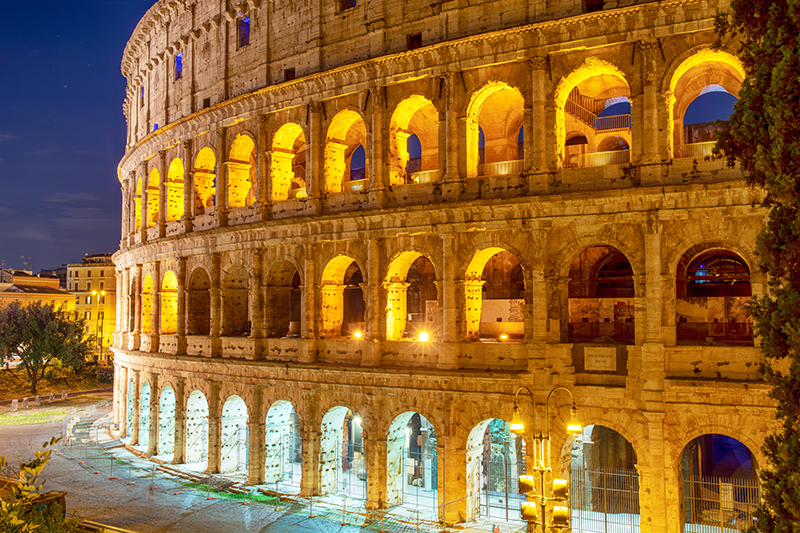
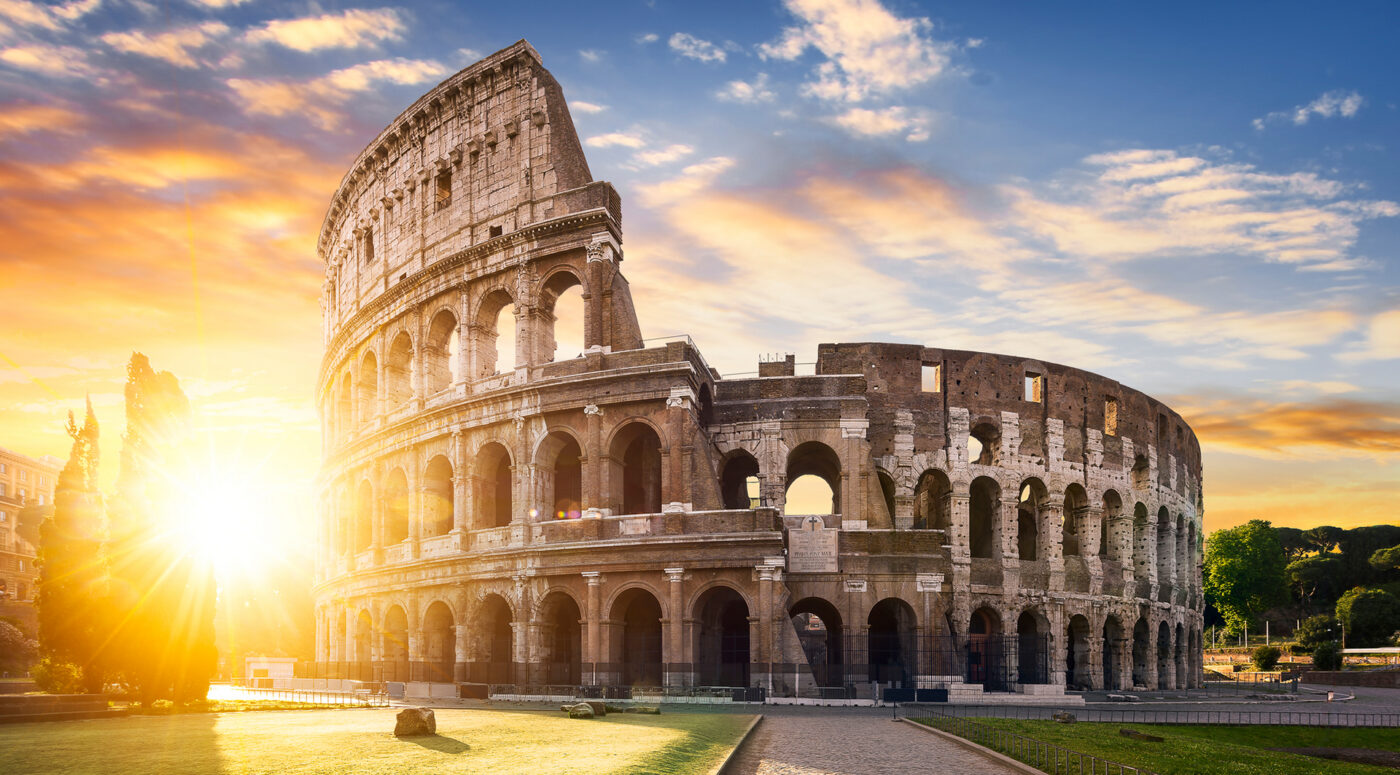
No monument represents Rome’s imperial legacy more powerfully than the Colosseum. Built in the 1st century AD, this vast amphitheater once hosted gladiatorial contests, public spectacles, and ceremonies designed to display the might of the empire.
Today, the Colosseum remains one of the most recognizable structures in the world. Its towering arches and weathered stone tell stories of both grandeur and transformation. Visitors walking through its corridors can still sense the scale of the events that once unfolded within its walls.