• Skip to primary navigation
  • Skip to main content
  • Skip to footer

Sawasdee

Sawasdee
  • Happenings
  • Inspiration
  • Food & Drink
  • บทความภาษาไทย
  • Thai Airways
  • Download e-Magazine
  • Toggle Search

    City Guides

    Bangkok

    วัดป่าดาราภิรมย์ (เครดิตรูปภาพ: iStockphoto)

    Chiang Mai

City Guides

วัดป่าดาราภิรมย์ (เครดิตรูปภาพ: iStockphoto)

Chiang Mai

Bangkok

Spring Seafood at Fireplace Grill and Bar.

Dishes that Reflect the Symphony of Spring

Food & Drink

Spring arrives as a global jubilee, where the whispers of ancient tradition and the bounty of the first harvest converge to compose 'A Renaissance on the Plate'—a vivid, edible masterpiece of life’s eternal rebirth.

April 12, 2026

Text: Jeerawan Duangnam Herriot

7 min read

Facebook LinkedIn Line Viber Pinterest Twitter Email

As the frost retreats and the first green shoots pierce the soil, the world doesn’t just wake up—it sits down to dinner. Springtime is the Earth’s most delicious deadline, a fleeting window where ancient traditions and seasonal harvests collide in a global celebration of rebirth. From the sun-drenched ruins of Athens to the high-tech streets of Tokyo, this season represents a culinary reset button where the heavy, preserved larder of winter is traded for the crisp, vibrant vitality of the new year.


The Seasonal Resurrection: A Culinary History


To understand the importance of spring in the culinary world, one must look back to the dawn of agriculture. For the majority of human history, winter was a season of survival—a period defined by salted meats, root vegetables, and fermented grains. The arrival of spring was not merely a change in the weather; it was a literal rescue from the brink of depletion. Historically, this “lean time” (often coinciding with Lent or other fasting periods) meant that the first green sprouts were greeted with religious fervor.
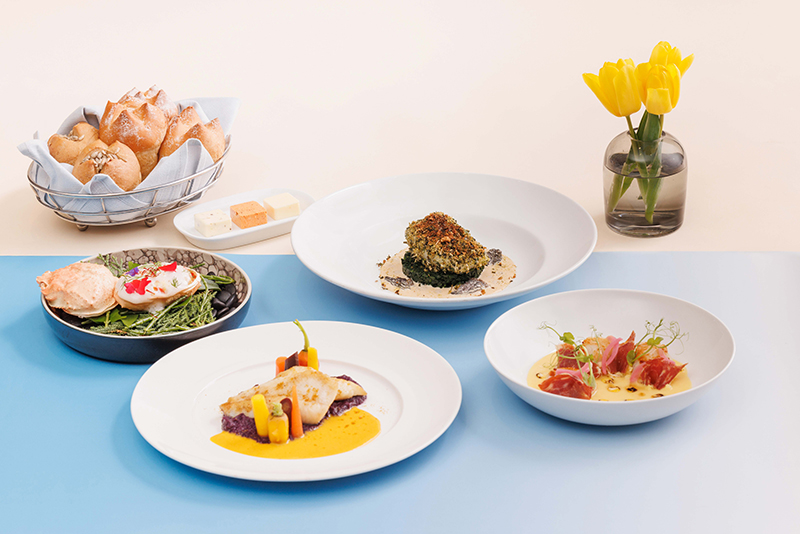
A special seafood menu this Spring at InterContinental Bangkok.

In the ancient world, the Spring Equinox signaled the return of life-giving deities, from the Greek Persephone to the Germanic Ostara. These myths translated directly into the kitchen. As livestock began to produce milk again and hens resumed laying eggs after the dark winter, these ingredients became symbols of fertility and luck. This historical “pivot” from scarcity to abundance is why springtime cuisine remains the most symbolic in the world. It is the only season where the food on the plate—be it a bitter herb or a decorated egg—is tasked with telling the story of life’s triumph over the cold.
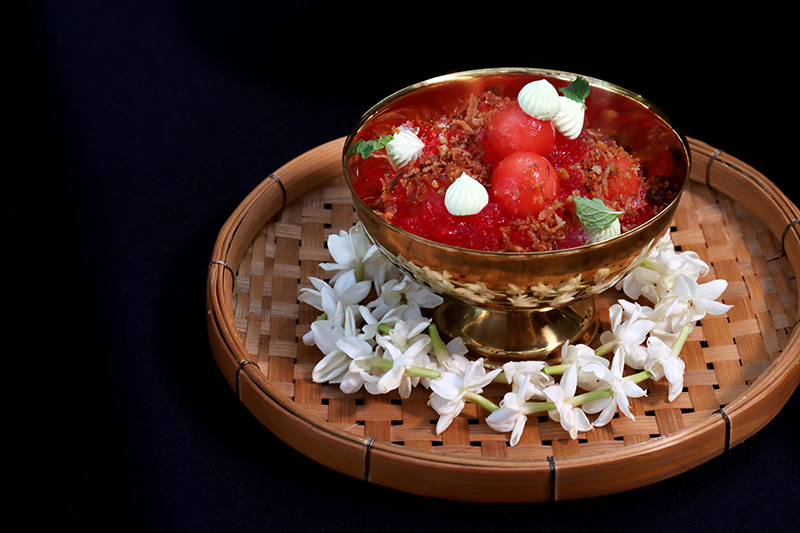
Watermelon shaved ice with dried fish to beat the summer in Thailand.

However, “Spring” wears a different mask in the tropics. While the West celebrates the retreat of ice, regions like Thailand face the “Season of Fire”—the peak of the dry heat before the relief of the monsoons. Here, the culinary mission shifts from fueling the body with warmth to protecting it from the sweltering sun. In this context, spring cuisine is an exercise in temperature control. The arrival of the heat demands a transition to ingredients that hydrate and “cool the blood.” It is during this brutal stretch of April that the soaked rice of Khao Chae or Watermelon with Dried Fish from Anantara Chiang Mai, Thai ancestors engineered a way to lower the body’s core temperature through flavor, proving that spring cuisine is always about adapting to the elements, whether they be freezing winds or the relentless tropical sun.


1. The Pale Gold of Germany (Spargelzeit)


In Munich and Berlin, Spargelzeit (White Asparagus Season) is treated with a reverence usually reserved for religious festivals. Known as “ivory edible,” white asparagus has been a delicacy since the Roman era, though it gained royal status in the 17th-century courts of Louis XIV, who dubbed it the “King of Vegetables.” Because it is grown underground to prevent chlorophyll production, its flavor is uniquely delicate and nutty. During the peak of the harvest, restaurants dedicate entire menus to this “white gold,” serving it with silky Hollandaise or wrapped in Black Forest ham. It is a fleeting luxury that disappears by late June, leaving enthusiasts counting the days until next spring. It remains a testament to the European obsession with terroir and the perfection of a single, seasonal ingredient.
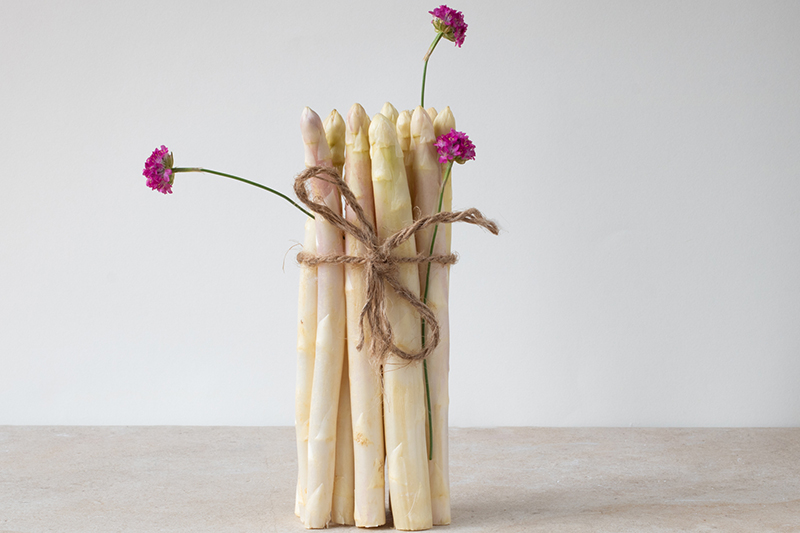
A bunch of white asparagus.

Inspired by the white asparagus hunt? Fly to Germany with Thai Airways!


2. Japan’s Mountain Bounty (Hanami & Sansai)


While the world watches the cherry blossoms, the Japanese are foraging for Sansai (mountain vegetables). These bitter greens, like butterbur buds and fiddlehead ferns, were historically vital survival foods after long, snowy winters in the Japanese Alps when rice stores ran low. Today, they are celebrated in Kyoto as a symbolic “cleansing” of the body, their sharp, astringent notes believed to stimulate the metabolism after winter’s dormancy. Often served as light, crispy tempura, these wild greens represent the resilient spirit of nature. They remind diners that spring isn’t just about soft petals, but about the powerful, bitter strength of new growth emerging from the soil, bridging the gap between ancient foraging and modern culinary art.
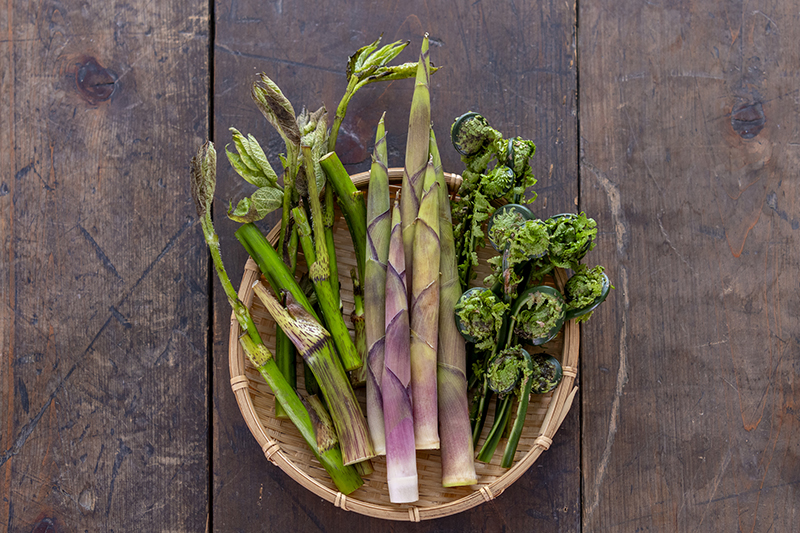
Japanese spring wild vegetables (udo, bamboo shoots, kogomi).

Discover the Sansai this spring. Fly to Japan with Thai Airways!


3. The Sacred Scents of Rome (Colomba & Carciofi)


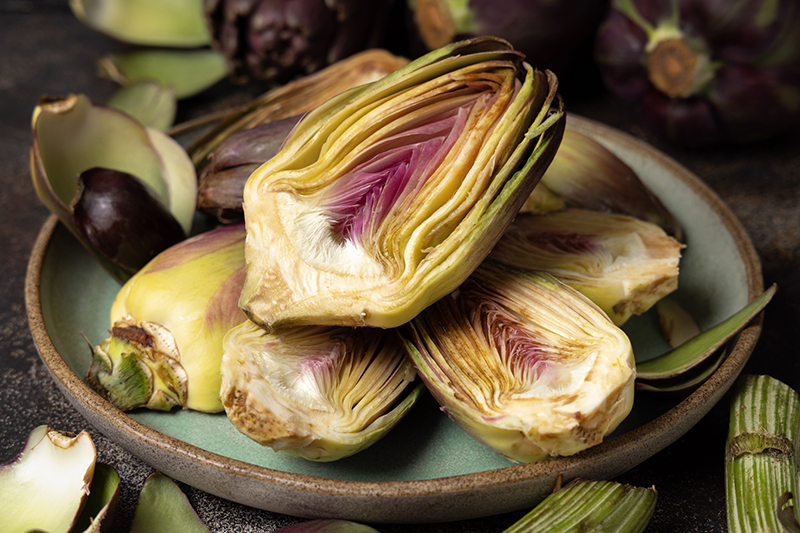
In Rome, spring is defined by the Carciofi (artichoke) and the Colomba Pasquale, a dove-shaped cake signifying peace. The Roman artichoke, or Carciofo Romanesco, has been cultivated in the Lazio region for over two millennia, once prized by the Etruscans for its medicinal properties and supposedly “noble” heart. Whether prepared alla Giudia (deep-fried until golden and crispy, a legacy of the Roman Jewish Ghetto) or alla Romana (braised with mint and garlic), the artichoke is the undisputed king of the Italian spring table. Paired with the citrusy, almond-topped Colomba, it creates a sensory bridge between the city’s ancient agricultural roots and its enduring Catholic traditions of holiday hospitality, marking the end of winter’s austerity.

Plate full of cut purple raw romanesco artichokes.

Explore the ancient gem of the agriculture this spring. Fly to Italy with Thai Airways!


4. The Red Egg of the Aegean (Tsoureki & Greece)


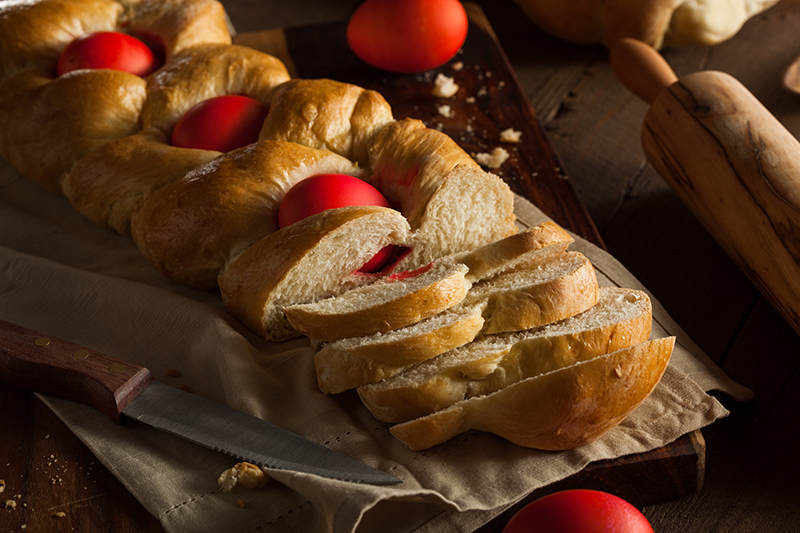
In the sun-baked squares of Athens and the mountain villages of Crete, the air smells of Tsoureki, a brioche-like bread flavored with mahlab (cherry pits) and mastic. At its center sits a deep red egg, dyed to represent the blood of Christ and the seal of the tomb—a tradition stretching back to early Christian communities in Mesopotamia who used eggs to symbolize the regenerative nature of the Resurrection. Breaking the bread is a communal act of hope. Beyond the symbolism, the bread’s unique, resinous aroma is the definitive scent of the Greek spring. Families gather to “clink” their red eggs in a game of tsougrisma, testing whose egg is the strongest, a playful ritual that reinforces bonds of kinship and the shared joy of a new season.

Homemade Greek Easter Bread with Red Eggs.

Experience the taste of Greek spring. Thai Airways, in cooperation with a Star Alliance partner, offers flights from Bangkok to Athens via Istanbul.


5. Thailand’s Royal Refresher (Khao Chae)


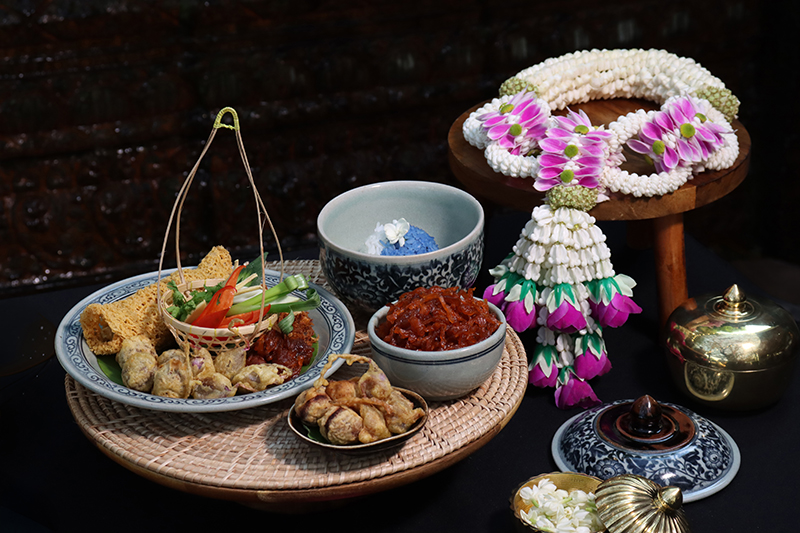
Finally, in the sweltering heat of a Thai spring, the cooling Khao Chae emerges as the ultimate seasonal antidote. Originally a Mon dish adopted by the Royal Court of King Rama II, this jasmine-scented rice soaked in iced water is an architectural marvel of side dishes. It represents the height of Siamese culinary refinement, designed specifically to lower the body’s temperature during the hottest months before the monsoon rains arrive. Each accompaniment—from stuffed shallots to shredded sweetened pork—is a labor of love, requiring hours of meticulous carving and preparation that were once reserved only for the palace. Eating it is a ritual of patience, a cool, fragrant sanctuary amidst the vibrant, humid energy of the Thai New Year (Songkran).

"Khao Chae" served with a full set of side dishes at Anantara Chiang Mai.
“Khao Chae” served with a full set of side dishes at Anantara Chiang Mai.

Have you expereinced the authentic way of cooling in Thailand? Fly to Chiang Mai with Thai Airways!


The Taste of Spring in Bangkok


  • VIU, The St. Regis Bangkok exalts the arrival of spring by showcasing the delicate flavor and versatility of French asparagus at its Signature Sunday Brunch. These seasonal creations transmute the harvest into a vivid masterpiece, featuring Stir-Fried Asparagus with Shrimp and Shiitake Mushrooms, a crisp White and Green Asparagus Salad, and Homemade Ricotta Spinach Ravioli bathed in a silken asparagus sauce.

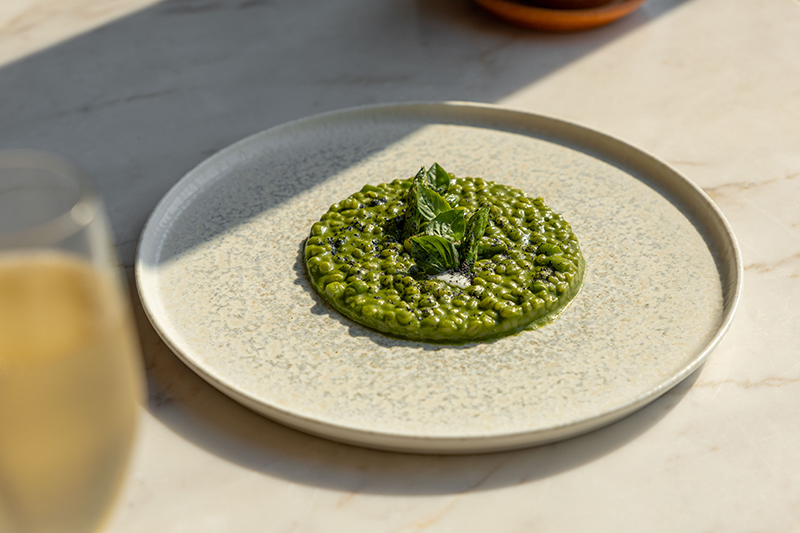
The journey continues with a textured Asparagus Barley Risotto, alongside the timeless elegance of White Asparagus served with classic Hollandaise and Beurre Blanc. It is a true “Renaissance on the Plate,” where the “luxury of time” is best spent savoring the fleeting beauty of the season.

Asparagus Barley Risotto is part of the Signature Sunday Brunch at the St. Regis Bangkok.
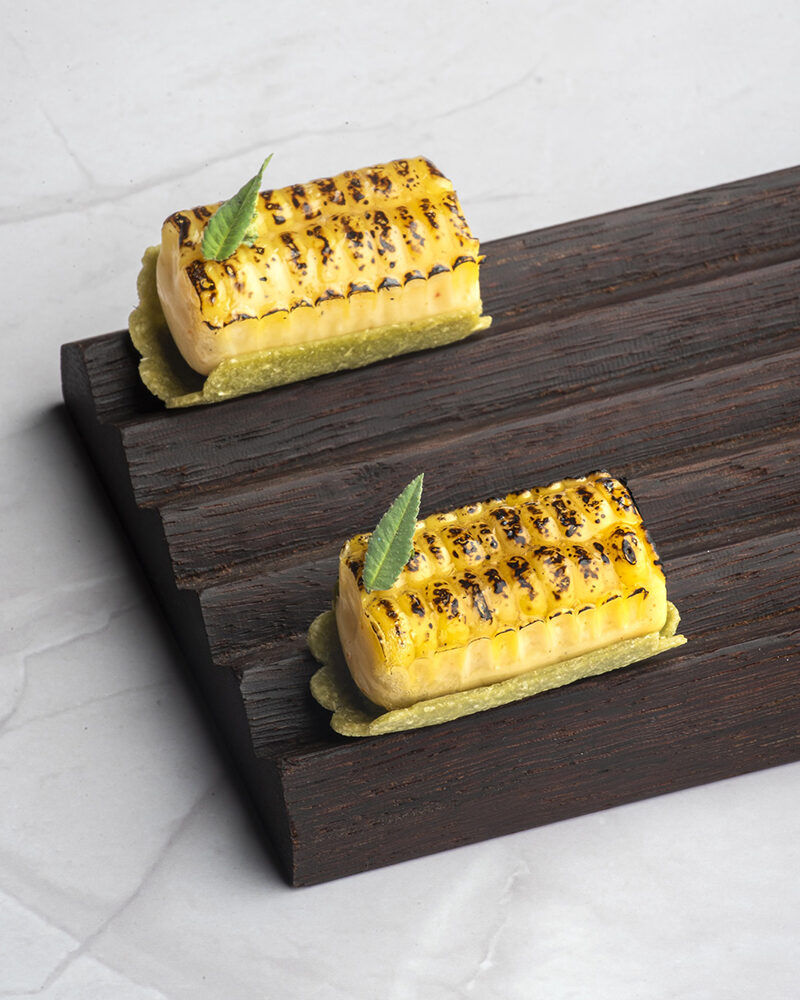
  • Blue by Alain Ducasse‘s Spring 2026 collection unfolds as a rhythmic dialogue between the artisan and the earth. This season marks a definitive milestone for Executive Chef Evens López, completing his first full seasonal cycle with a menu that breathes in tandem with nature’s shifting pulses.

The narrative begins with the smoldering sweetness of charred corn, its golden warmth cushioned by the velvety depth of smoked ricotta and the floral brightness of a marigold condiment—a tender, sensory whisper of the Chef’s Peruvian heritage. It is a curated study of craftsmanship and the “luxury of time,” where every ingredient is transmuted into a soulful celebration of the vernal harvest.

Charred sweet corn, a subtle nod to Chef Evens’s Peruvian childhood.
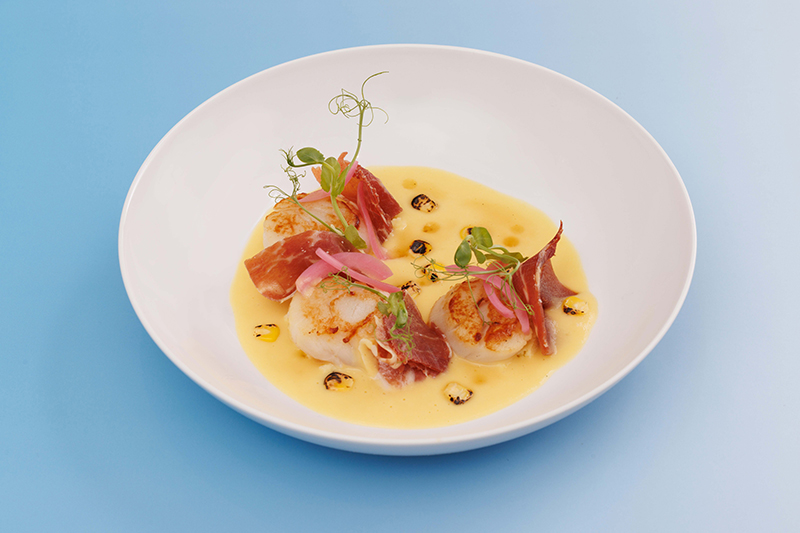
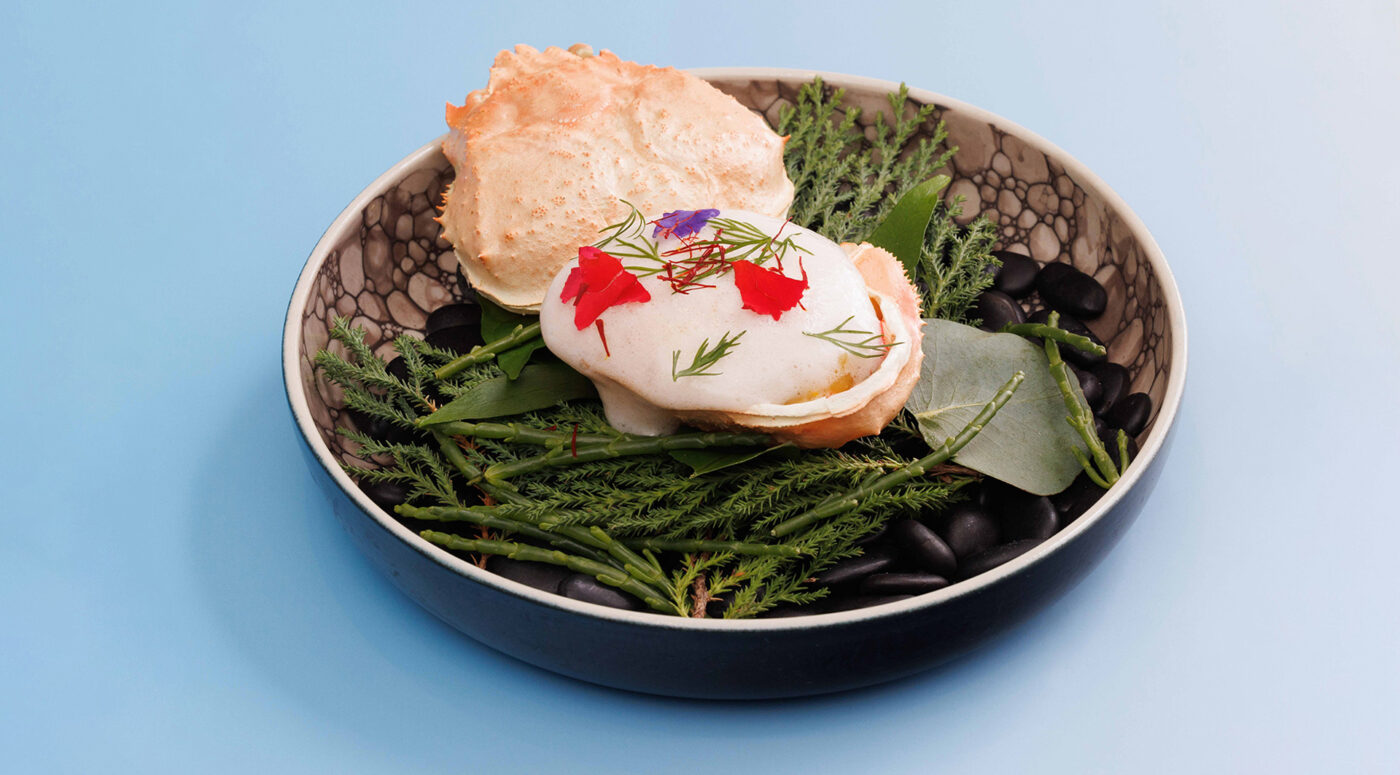
  • Fireplace Grill and Bar at InterContinental Bangkok has defined culinary excellence since 166. This season, the legendary institution celebrates the ocean’s bounty with a sophisticated Spring Seafood menu, available throughout May and June 2026.

Diners can begin their journey with refined appetizers like Akami tuna tartare with dashi custard or Hokkaido scallops paired with Iberico ham. For the main event, indulge in char-grilled scampi with blood orange caramel or a fragrant Asian herb-crusted toothfish. Available for lunch and dinner

The taste of spring.

Inspired by the curated flavors of spring? Fly to Bangkok with Thai Airways!

Latest Stories

Traditional flags hang on sand pagoda in the Wat Lok Moli temple for Songkran Festival.

Experiences

5 Places in Thailand Where Songkran Festival 2026 Still Feels Meaningful

Amsterdam has more than one hundred kilometers of canals, about 90 islands and 1,500 bridges.

Inspiration

Slow Amsterdam: 5 Ways to Experience the City Beyond the Rush

A new perspective on the highland stay.

Experiences

6 Premium Ways to Experience Khao Yai’s New Luxury Era

Footer

About Us

  • Our website
  • Advertise with us
  • User agreement
  • Privacy policy
  • Cookie policy
Thai Airways

Social

  • Instagram

COPYRIGHT © 2026 Thai Airways International Public Company Limited (THAI). All rights reserved.

A Star Alliance Member
Sawasdee
  • Happenings
  • Inspiration
  • Food & Drink
  • บทความภาษาไทย
  • Thai Airways
  • Download e-Magazine
  • Toggle Search

    City Guides

    วัดป่าดาราภิรมย์ (เครดิตรูปภาพ: iStockphoto)

    Chiang Mai

    Bangkok

City Guides

วัดป่าดาราภิรมย์ (เครดิตรูปภาพ: iStockphoto)

Chiang Mai

Bangkok

BOOK FLIGHTS NOW