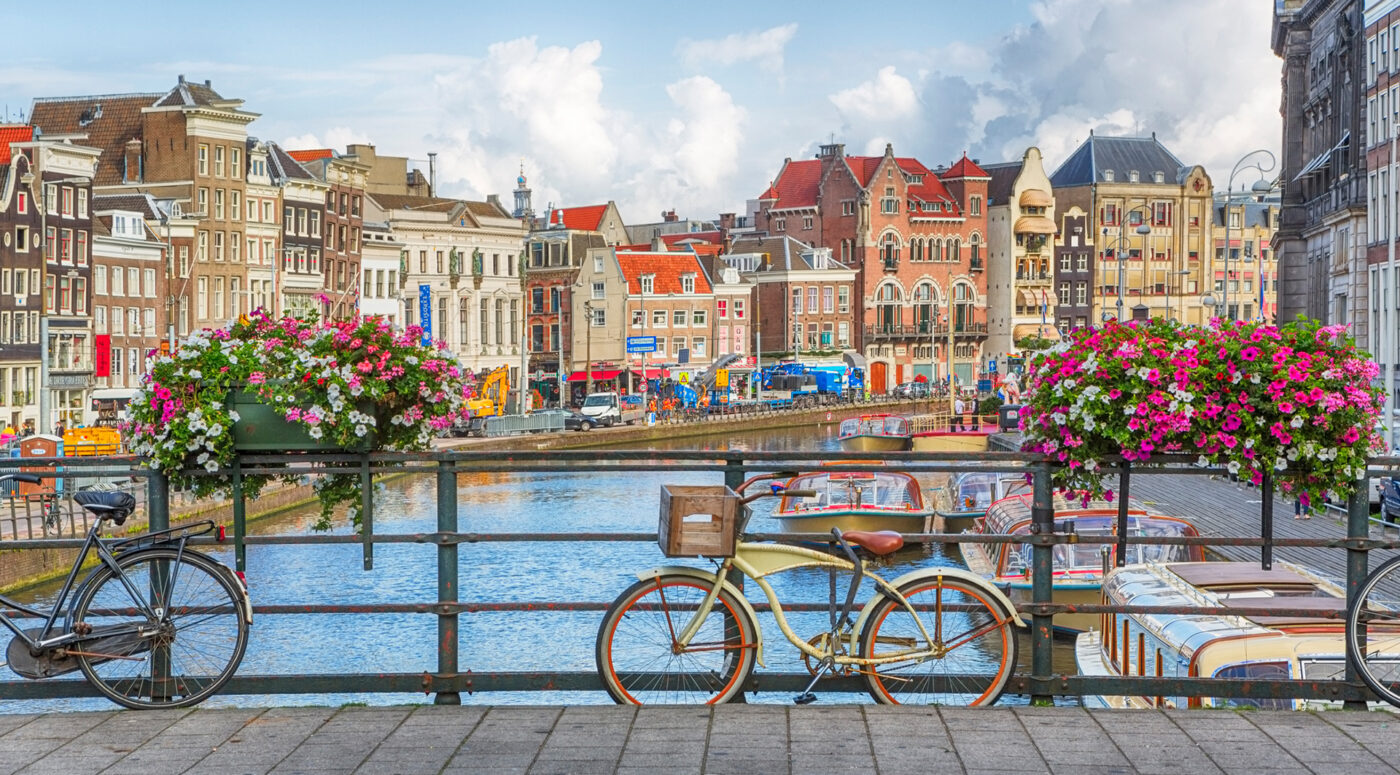
Amsterdam may be one of Europe’s most visited cities, yet its true beauty is rarely discovered in a hurry. Beyond the busy museum queues and crowded sightseeing routes lies a city shaped by water, bicycles, and neighborhood life. Amsterdam’s rhythm encourages visitors to slow down, linger longer, and notice the details that often go unseen.

With its historic canal ring, intimate districts, and café culture that invites conversation rather than speed, Amsterdam naturally lends itself to slow travel. Here, wandering without a strict itinerary often leads to the most memorable moments—an unexpected bridge view, a quiet courtyard garden, or a hidden café where time seems to pause.
For travelers willing to move at the city’s natural pace, Amsterdam becomes less about attractions and more about atmosphere. These five experiences reveal why the Dutch capital is perfectly suited for slow exploration.
WALKS ALONG THE CANAL RING
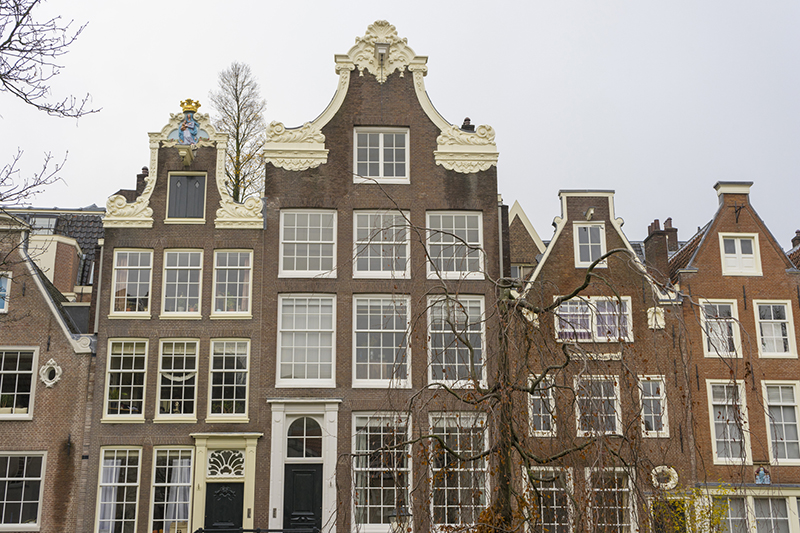
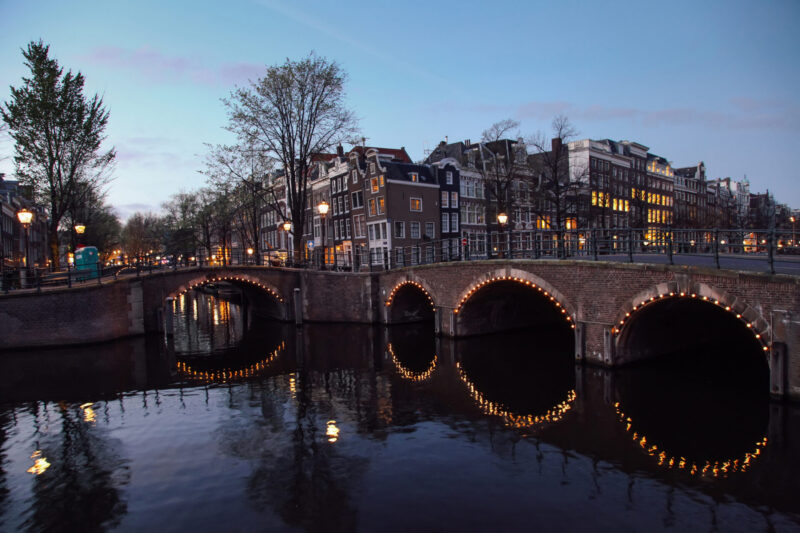
Amsterdam’s famous canal belt, a UNESCO World Heritage site, offers one of Europe’s most peaceful urban landscapes. Early mornings are particularly special, when the streets remain quiet and the water reflects rows of elegant canal houses dating back to the 17th century.
Walking along the Herengracht, Keizersgracht, and Prinsengracht allows visitors to observe daily life unfold naturally—boats gliding through the water, cyclists commuting calmly to work, and residents opening small neighborhood shops. Without a strict destination in mind, the canals themselves become the journey.
Stopping occasionally on one of the many historic bridges provides time to appreciate the symmetry of the architecture and the gentle rhythm of life that defines Amsterdam.
SPENDING TIME IN THE JORDAAN
The Jordaan neighborhood is often described as the soul of Amsterdam. Once a working-class district, it has evolved into a charming area filled with art galleries, independent boutiques, and traditional cafés that still retain a strong sense of community.
Exploring the Jordaan slowly means wandering through its narrow streets and canals where small details reveal the neighborhood’s character—window gardens, local bakeries, and antique shops tucked into historic buildings.