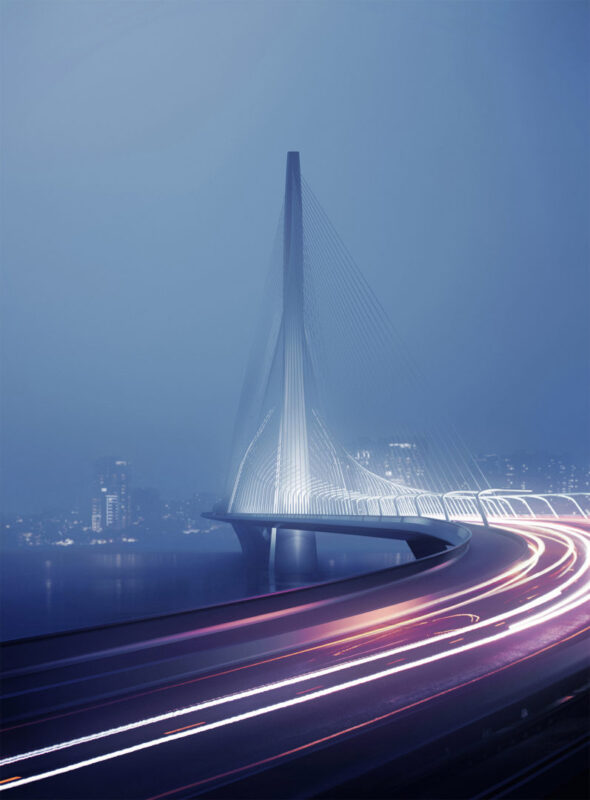
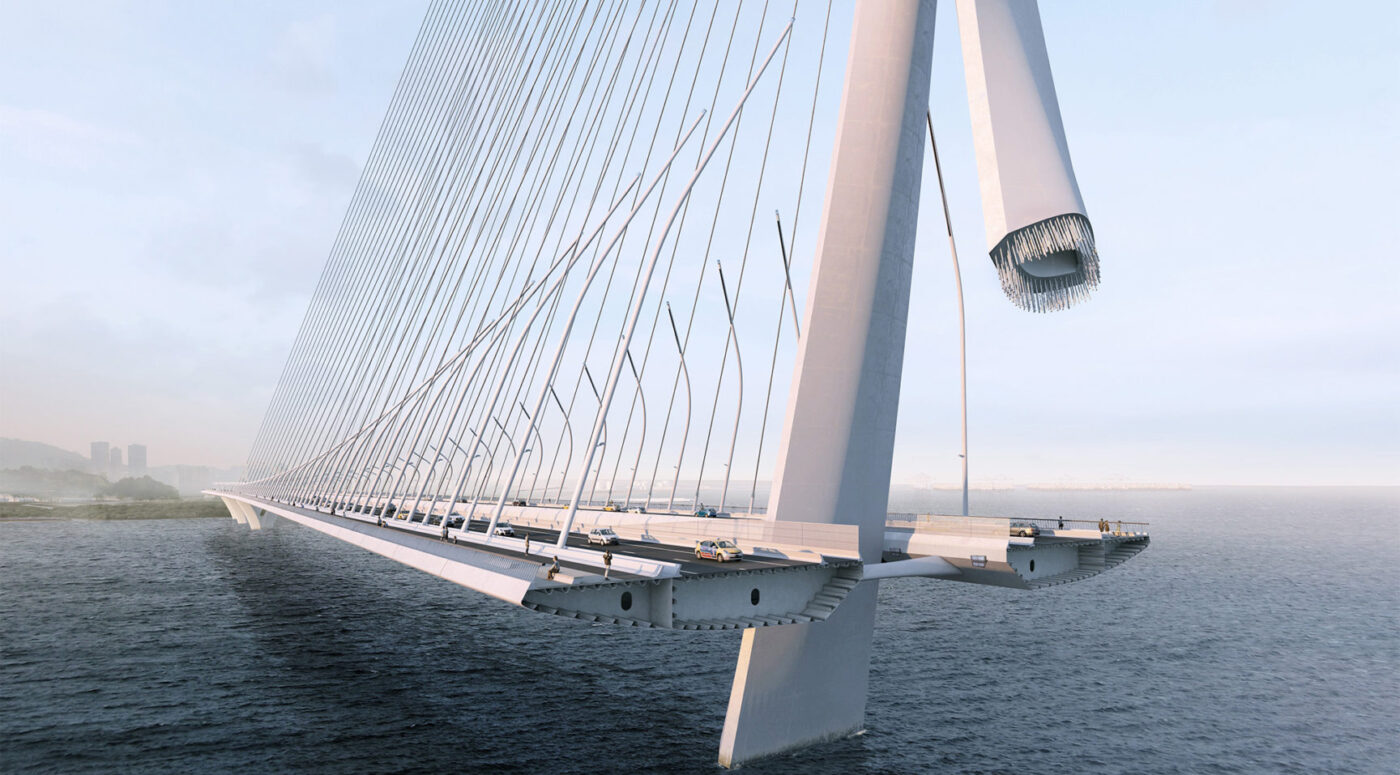
With 2026 now in full swing, the travel world is moving beyond the typical bucket list. We’re seeing a shift toward a deeper kind of exploration—one that values the gravity of ancient sites just as much as the clever new ways we reach them. From long-overlooked ruins finally getting their global due to bold new routes to the futuristic curves of Zaha Hadid’s newest bridge and the world’s quietest corners, here are the landmarks defining the year.
WHEN THE “OLD AND NEW” BLEND WORKS
Mixing ancient sites with revitalized spaces is the ultimate travel masterstroke. It breaks the monotony of a museum-heavy itinerary by grounding in the world of history one moment and the vibrant, breathing pulse of the present the next.
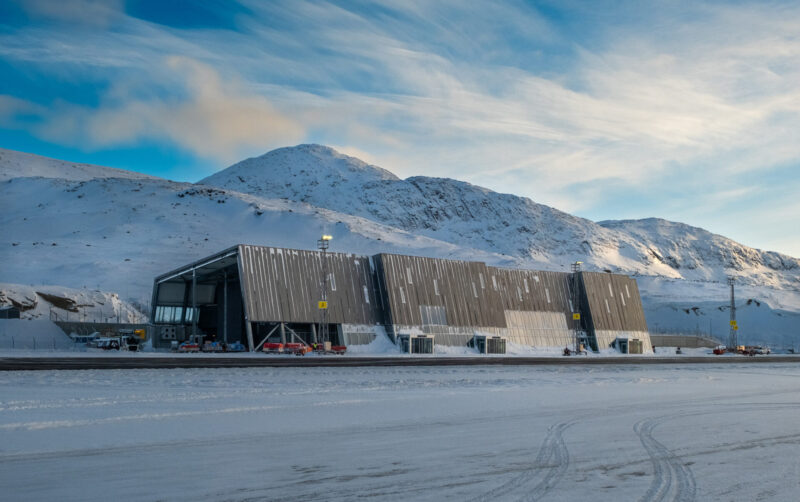
Think of it as a cinematic transition: spending the morning amidst the silent gravity of a tomb or a ruin, feeling the vast distance of time. Then, traversing in a high-tech visitor center or a sleek, reimagined urban hub. This contrast provides context; it lets every traveler learn the glory of the past and see how fast the world grows with new inventions and design. Seeing how a culture preserves its heritage while building its future makes history feel like a living story rather than a static textbook.
THE “PYRAMIDS OF THE EAST”
Xixia Imperial Tombs, China
Following its UNESCO recognition in late 2025, the Xixia Imperial Tombs have become the standout discovery of 2026. This sprawling necropolis in Ningxia, with its distinct pagoda-shaped mausoleums, offers a rare look into the lost Tangut Empire. A new visitor center uses high-tech mapping to reveal the hidden structures and ancient engineering that once protected these “tombs of the wild” from the desert sands.
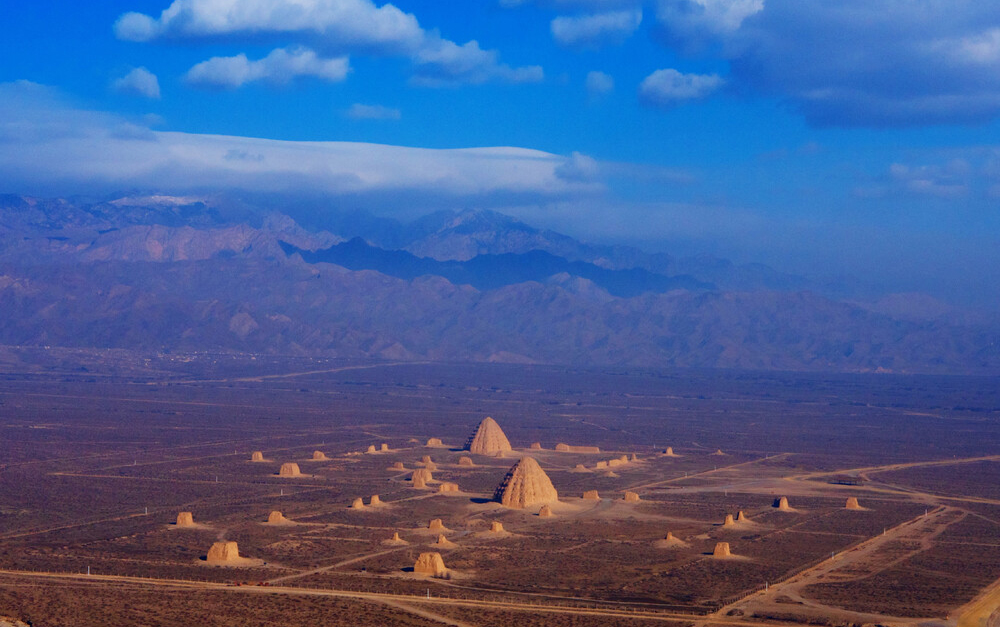
Wandering through the history of the Xixia dynasty. Fly to China with Thai Airways!