Bangkok is often described through its dynamism—sky train lines, nightlife districts, and ever-moving traffic—but another side of the city exists just beneath that surface. In pockets scattered across the capital, neighborhoods continue to move at a slower pace, shaped by long-standing communities, historic architecture, and everyday rituals that have endured through decades of change.
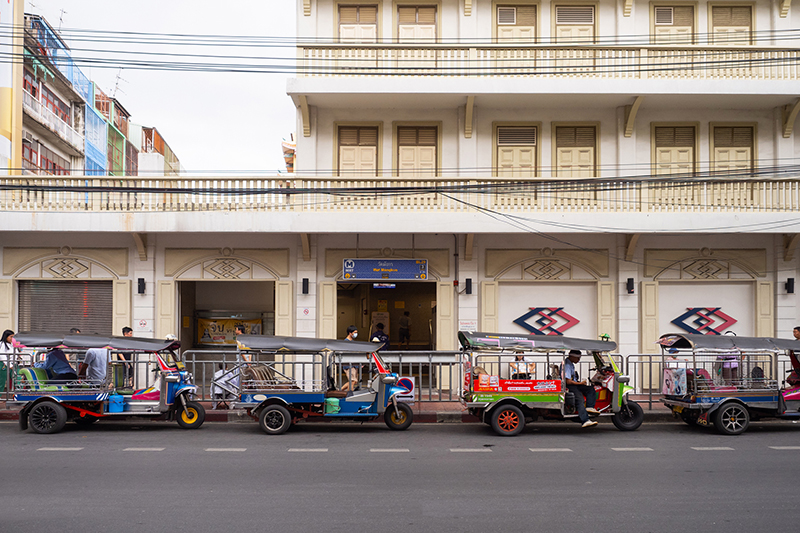
Here, mornings begin with the scent of street-side coffee and freshly cooked noodles, while afternoons drift by under the shade of old shop houses or leafy canal paths. Residents greet each other by name, local temples anchor the rhythm of the day, and the atmosphere feels more village-like than metropolitan. For travelers seeking to experience Bangkok beyond its well-known landmarks, these five neighborhoods offer a glimpse into the city’s quieter heartbeat—places where time seems to stretch, and the spirit of community remains strong.
HERITAGE LANES & RIVERSIDE COMMUNITY
Talad Noi
Tucked beside the Chao Phraya River near Chinatown, Talad Noi is one of Bangkok’s most atmospheric historic neighborhoods. Its narrow alleys weave past centuries-old Chinese shrines, mechanic workshops, and family-owned cafés that have served the community for generations.
Walking through Talad Noi feels like stepping into a living museum of everyday Bangkok life. Residents sit outside their homes chatting in the shade, scooters pass slowly through graffiti-decorated lanes, and small riverside temples offer quiet spaces for reflection. Along the waterfront, the gentle river breeze softens the pace of the city, while old wooden houses and restored warehouses reveal the area’s rich trading heritage. Talad Noi is a place where heritage and daily life remain inseparable.
BANGKOK’S OLDEST ROAD WITH MODERN SOUL
Charoen Krung
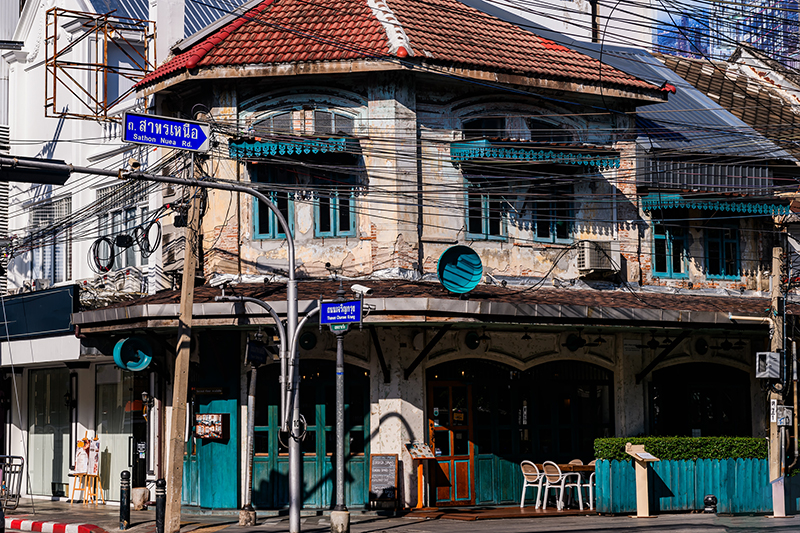
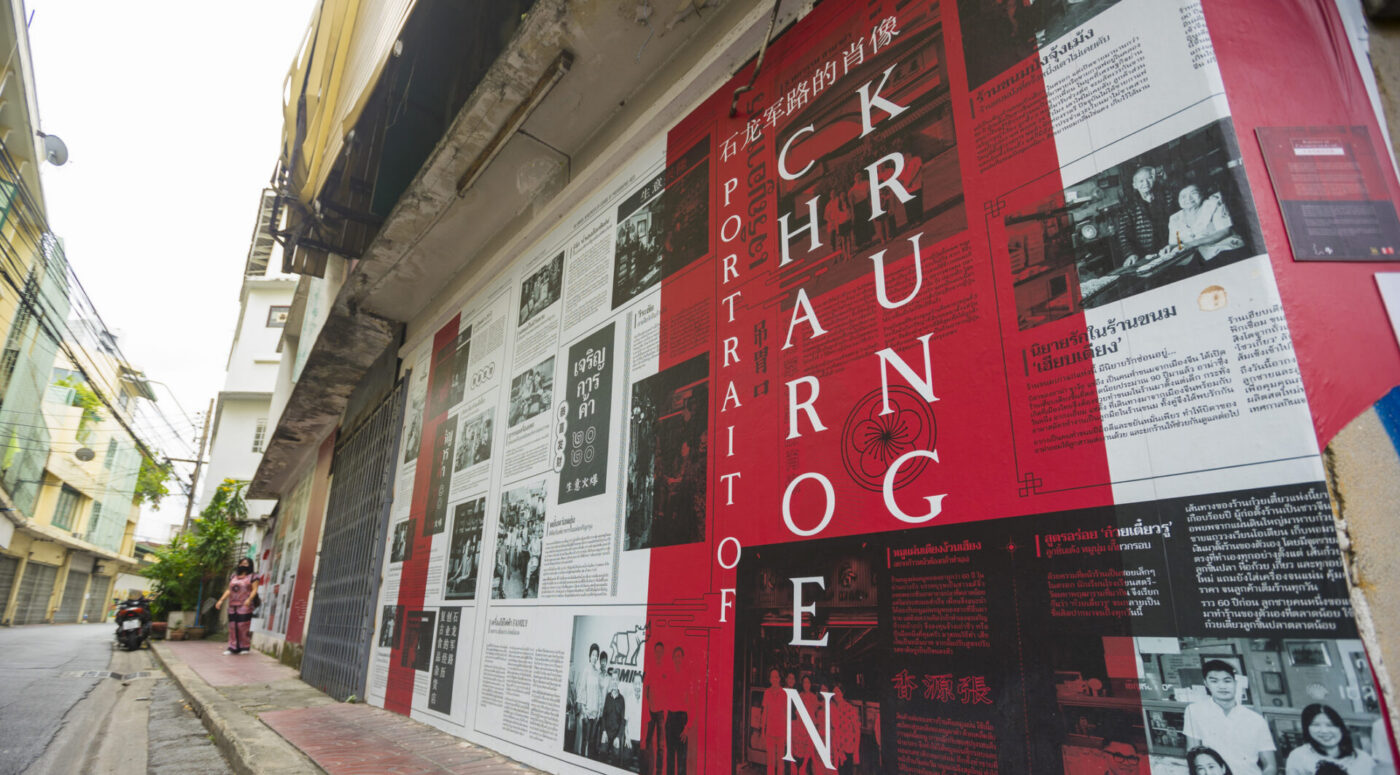
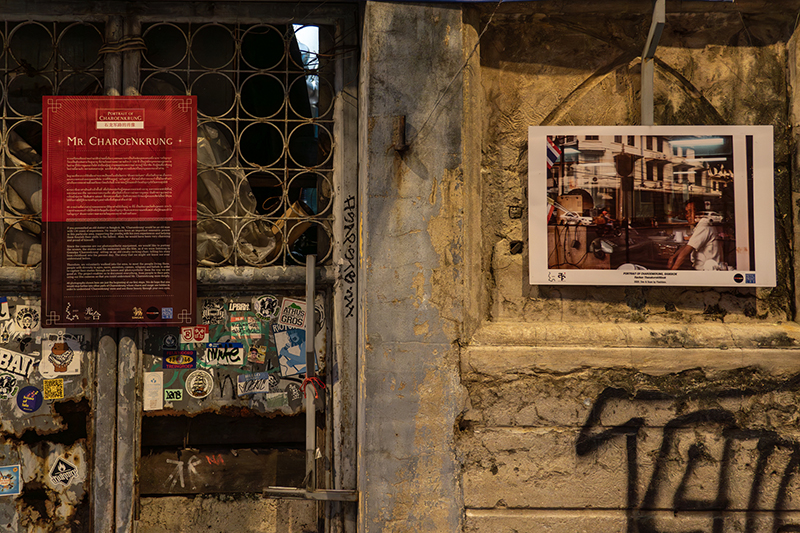
Charoen Krung Road holds the distinction of being Bangkok’s first paved street, yet its surrounding neighborhoods retain a remarkable sense of continuity. Historic shophouses stand beside traditional markets, while artisans, coffee roasters, and small galleries now occupy spaces that once served early trading communities.