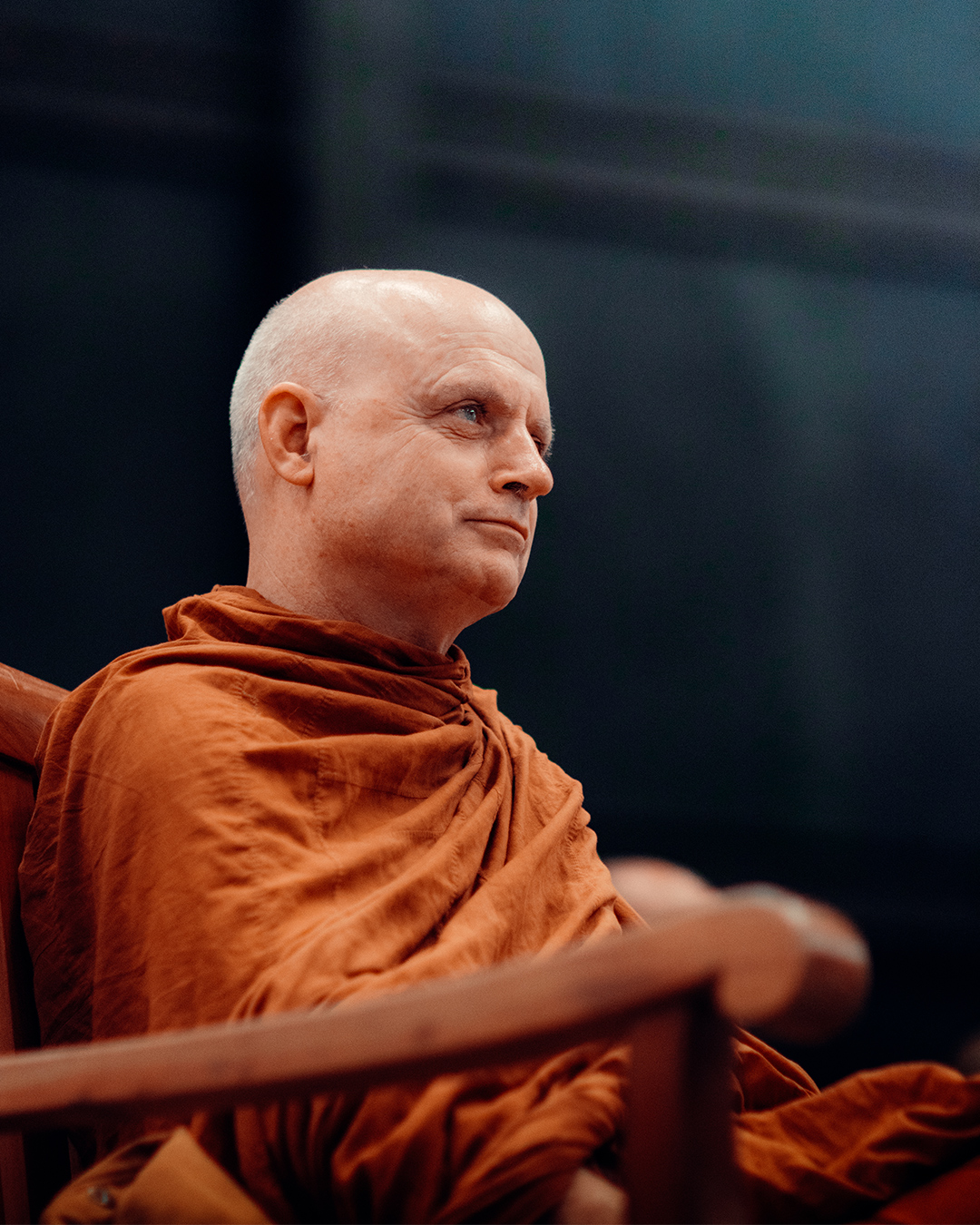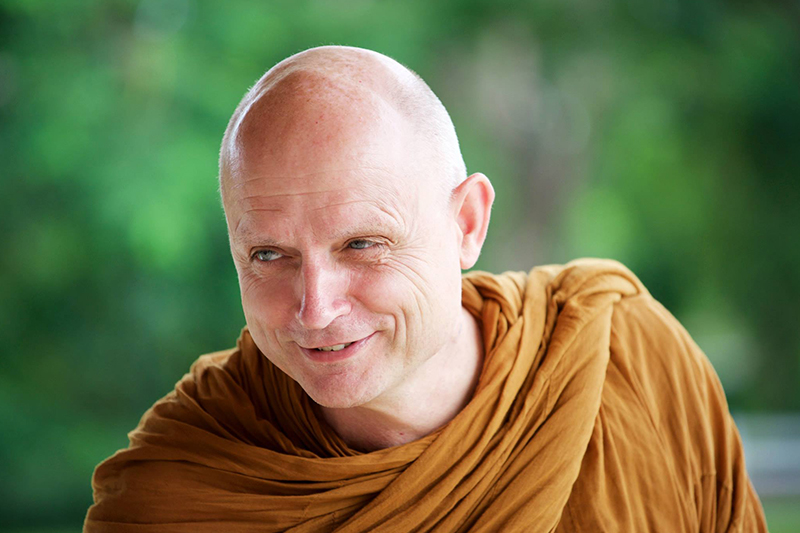
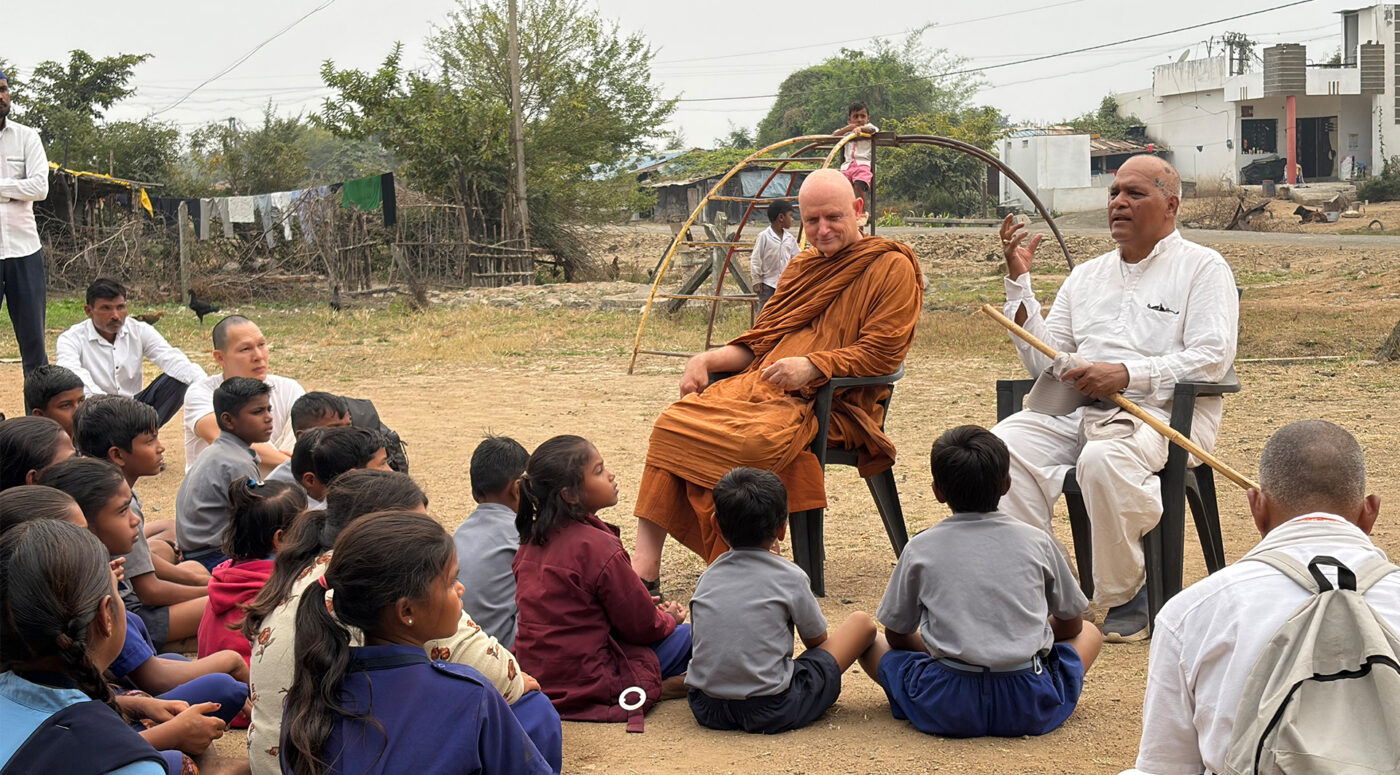
Phra Ajahn Jayasaro is one of the most respected voices in contemporary Buddhism today, renowned for delivering his profound teachings with exceptional clarity, warmth, and intellectual depth – something you will discover for yourself upon watching The Mindful Journey, a program featured in THAI’s in-flight entertainment. Rooted in the Kammatthana Thai Forest Tradition, his reflections bridge ancient Buddhist wisdom and the emotional realities of modern life.
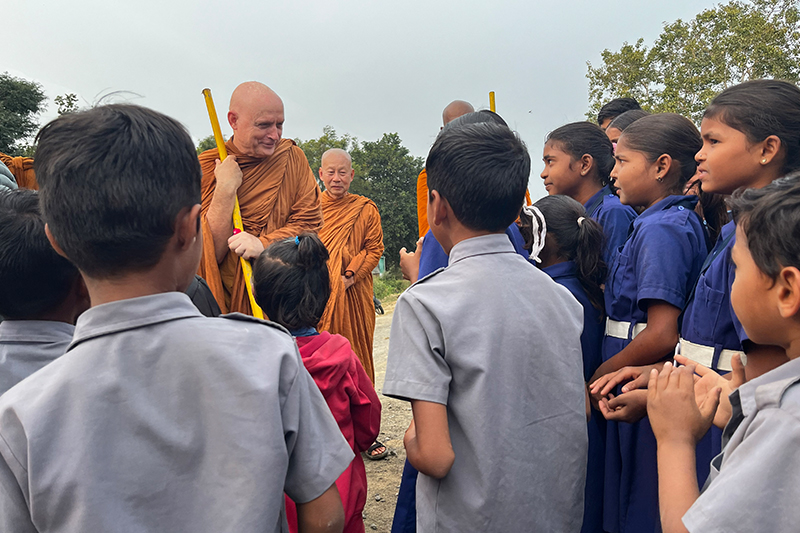
In this conversation with SAWASDEE, Phra Ajahn Jayasaro discusses meditation not simply as a technique, but as a way of living with awareness, balance, and compassion. Spanning from happiness to anxiety, social media to anger, his insights offer a thoughtful and practical guide to cultivating inner stability and living with greater purpose – an inspiring companion during your journey with THAI.
Q: In today’s fast-paced world, what role does meditation play in helping people remain grounded and resilient?
Meditation is often misunderstood as simply sitting quietly and applying a technique. In Buddhism, it is really a way of living – a way of being awake, aware, and learning from experience. Meditation strengthens our ability to respond wisely rather than react impulsively, creating inner stability amid constant change.
Q: What guidance would you offer beginners who want to bring meditation naturally into daily life?
Do not make meditation intimidating. It should not feel like bitter medicine. Meditation is simply training awareness under supportive conditions, which is why we sit somewhere quiet and free from distraction.
Posture matters because body and mind influence one another. The aim is not perfection but continuity – gradually learning to stay present and aware. Meditation is not about escaping from life, but about systematically cultivating the inner qualities that allow us to live life well.
Q: What are some common misconceptions about meditation?
One misconception is that meditation is mainly about relaxation. Relaxation is a byproduct, but not the ultimate goal. If relaxation becomes the goal, the mind easily becomes dull or sleepy. Buddhist meditation is about balancing effort and ease. The mind learns to be calm and energized at the same time. Another misconception is separating mindfulness from ethics and wisdom. Mental clarity alone is not enough. In Buddhism, mindfulness must be grounded in compassion, morality, and wisdom. The ultimate purpose is insight, not simply stress reduction.
Q: How do you deal with anger in a skillful way?
Buddhism approaches anger on three levels: behavior, emotional training, and wisdom. First, we establish clear boundaries in speech and action. No matter how angry we feel, we avoid harming others physically or verbally. This doesn’t mean repression. It is learning wise governance of our conduct.