• Skip to primary navigation
  • Skip to main content
  • Skip to footer

Sawasdee

Sawasdee
  • Happenings
  • Inspiration
  • Food & Drink
  • บทความภาษาไทย
  • Thai Airways
  • Download e-Magazine
  • Toggle Search

    City Guides

    Bangkok

    วัดป่าดาราภิรมย์ (เครดิตรูปภาพ: iStockphoto)

    Chiang Mai

City Guides

วัดป่าดาราภิรมย์ (เครดิตรูปภาพ: iStockphoto)

Chiang Mai

Bangkok

Thonburi: The Parallel Dimension of Bangkok’s Heart

Inspiration

Gazing across the Chao Phraya, the city shifts; Thonburi reveals itself as Bangkok’s quieter side, where water and history flow as one.

May 1, 2026

Text: Sawasdee

4 min read

Facebook LinkedIn Line Viber Pinterest Twitter Email

On the western banks of the Chao Phraya River lies Thonburi, a district often overshadowed by Bangkok’s modern skyline yet deeply rooted in the nation’s history. Once the capital of Siam during a critical period of recovery and reunification, Thonburi played a defining role in shaping what Thailand would become. Today, traces of that era remain woven into its canals, temples, and riverside communities. While the city across the river races forward, Thonburi moves at a gentler pace, offering a rare opportunity to experience Bangkok through a more historical and contemplative lens — one where the past still quietly shapes the present.
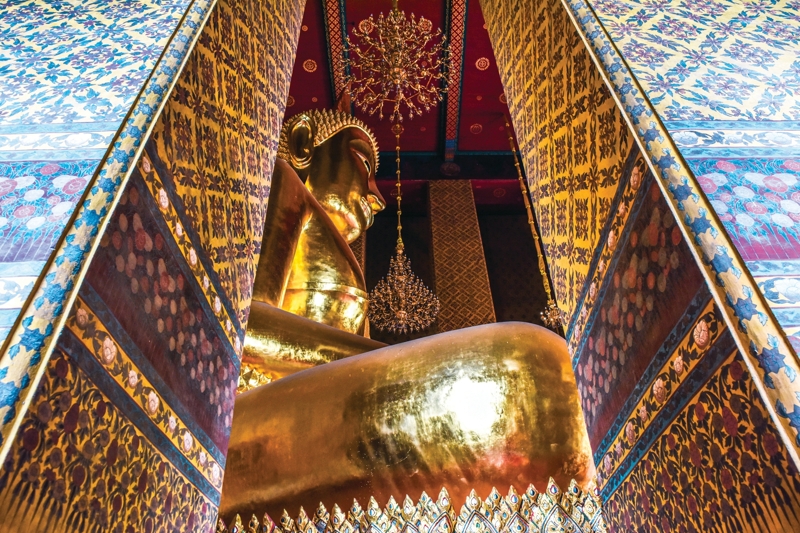
The seated Buddha at Wat Kanlayanamit

As the sun dips out of view, a traditional longtail boat chunters along a narrow canal, gliding past chatting monks, a small street market, and the grand remains of a brief yet crucial kingdom. My wife and I are wandering along the Thonburi side of the Chao Phraya River. Across the water, the forest of skyscrapers, shopping malls, and expressways marks modern Bangkok’s downtown skyline.

Much of what stands there today might not exist were it not for Thonburi and its formidable ruler, King Taksin. The ancient temple, fort and palace we have just explored are vestiges of his Thonburi Kingdom, which lasted only 15 years yet decisively shaped the direction of Siam – the country known as Thailand since 1939.

Bangkok has been the nation’s capital since 1782, when it took that title from Thonburi. Today, however, Thonburi is greatly overshadowed – not only by Bangkok, one of the world’s most visited cities, but also by the former capitals of Ayutthaya and Sukhothai, whose atmospheric ruins continue to draw international visitors.
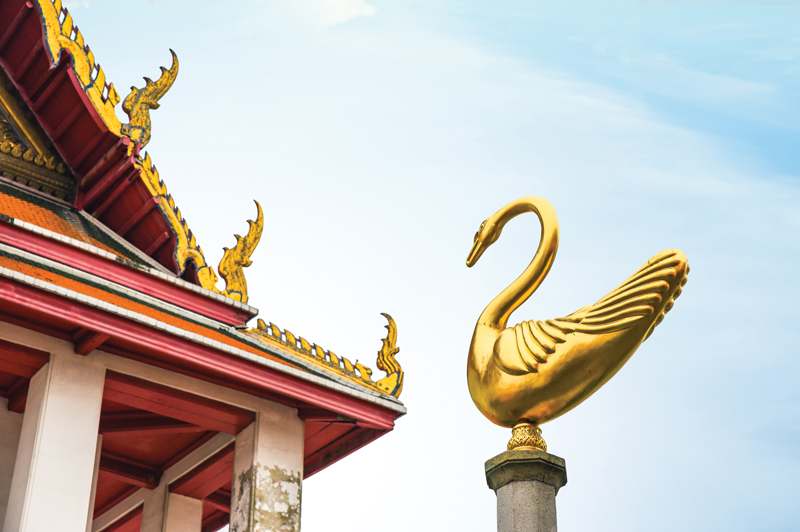
Wat Kanlayanamit
Wat Kanlayanamit

Ayutthaya still bears the scars of 1767, when Siam was fighting for its survival. That year, Burmese forces attacked the walled capital, leaving Ayutthaya looted, abandoned, and in ruins. The kingdom was left fractured – without a functioning capital, its monarch imprisoned, and its people living in uncertainty. Into this vacuum stepped a 33-year-old military leader named Taksin. He led a successful resistance against the Burmese, established a new capital at Thonburi, and oversaw the kingdom’s reunification.

Thonburi served as the capital from 1767 to 1782 and remained administratively separate until 1972, when it merged with Phra Nakhon to form the Bangkok Metropolitan Administration. Today, renewed efforts to promote heritage tourism have brought greater attention to the area, leading visitors through Thonburi’s royal vestiges and historic temples. Now, the name Thonburi is less associated with its former kingdom than with the western side of the Chao Phraya River. Compared to the gleaming high-rises across the water, parts of Thonburi retain a slower rhythm. When I first visited Thailand in the 1990s, exploring its tree-lined canals felt like stepping back in time. Longtail boats navigated the khlongs (canals) past riverfront temples, floating markets, and stilted wooden homes.

Thai Airways International A350 aircraft
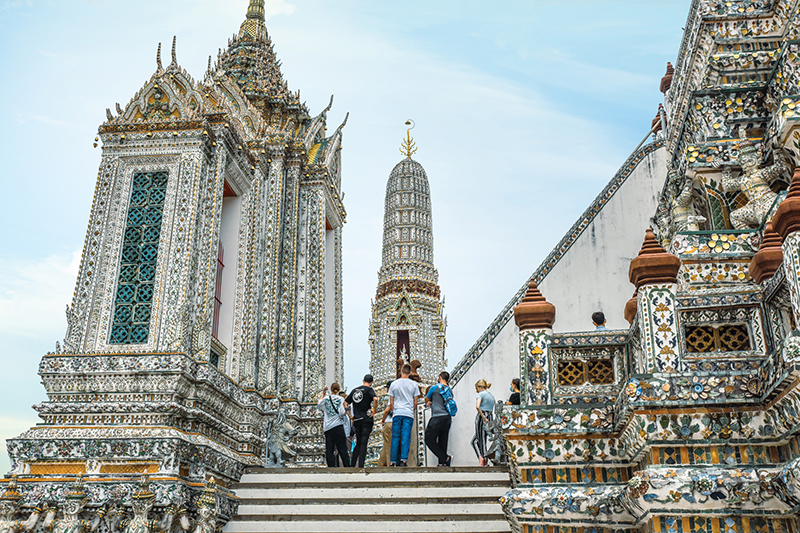
Wat Arun
Wat Arun

Thonburi’s former royal quarter receives relatively few visitors, largely because of its low profile in a city brimming with iconic landmarks. Even many locals are unfamiliar with the area. My wife was born and raised in Bangkok, yet this was her first time exploring it. At the heart of this neighbourhood lies Wang Doem, also known as Thonburi Palace – King Taksin’s sole royal residence. It stands between two of Bangkok’s most memorable places of worship.

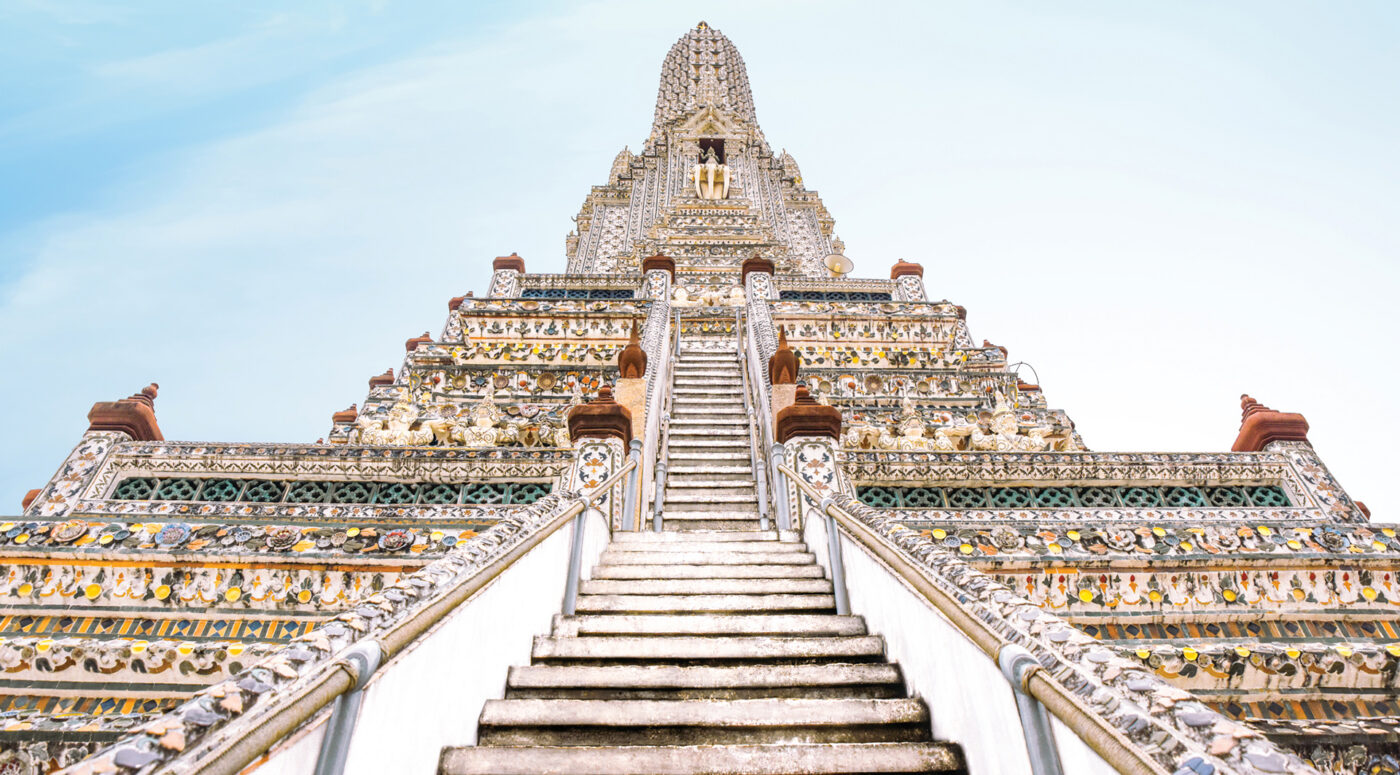
To its north rises the iconic Wat Arun, whose central prang glitters with thousands of pieces of imported Chinese porcelain. Although the temple predates Taksin, it was renovated and elevated in status during his reign in lated 18th century, when he briefly housed the revered Emerald Buddha there. That sacred sculpture – a 66-centimeter figure carved from green jasper in the 15th century – is now enshrined at Wat Phra Kaew, within Bangkok’s Grand Palace complex.

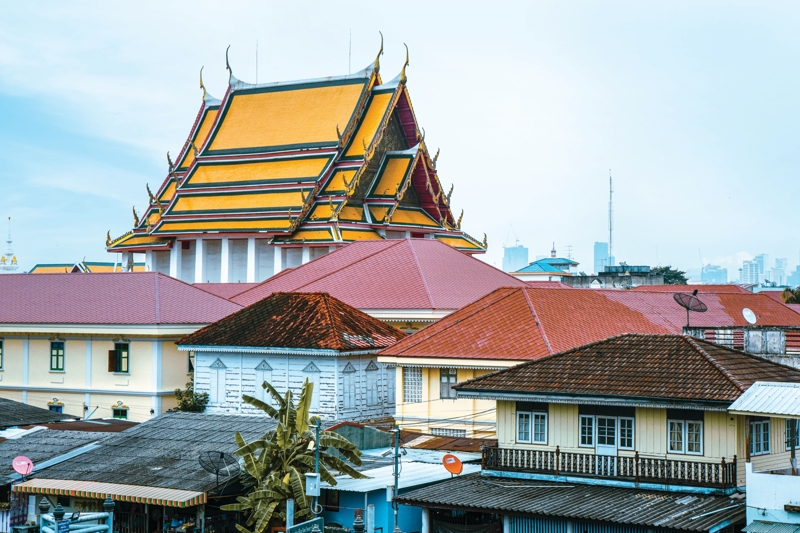
Wat Kanlayanamit
Wat Kanlayanamit

South of the palace stands the impressive Wat Kanlayanamit, built in the 1820s and home to one of Thailand’s largest seated Buddhas, rising 14 meters and covered in gold leaf. Nearby lies Kudi Chin, a distinctive riverside enclave established by the Portuguese community during the Thonburi era. At its heart stands Santa Cruz Church, surrounded by European-influenced homes and bakeries still producing traditional Portuguese egg cakes – a culinary legacy of a centuries-old alliance.

King Taksin granted this land to the Portuguese in gratitude for their support during his military campaigns. Today, Kudi Chin attracts visitors intrigued by its unique blend of Thai and European heritage.

Thonburi Palace itself remained an important royal residence for more than a century after Taksin’s reign. Several future monarchs were born here, including King Nangklao (Rama III), King Mongkut (Rama IV), and King Pinklao. In 1920, following the death of its last royal occupant, Prince Chakkrabatradipongse, the complex was repurposed as a base for the Royal Thai Navy, with the adjacent Wichaiprasit Fort serving as its guardian.

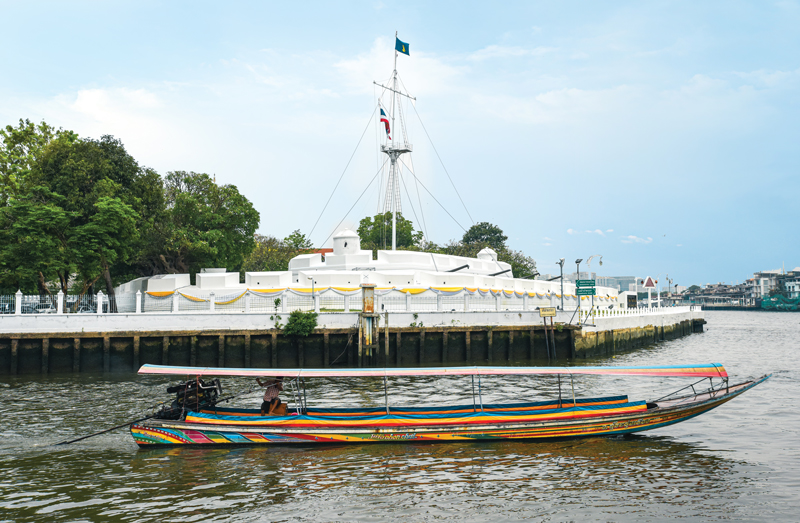
Wichaiprasit fort
Wichaiprasit fort

Both palace and fort have been carefully preserved. The whitewashed walls of Wichaiprasit Fort gleam beneath Bangkok’s relentless sun, its cannons and fixed-mount guns recalling centuries of defence along the river. Within the palace grounds, a steep-roofed Throne Hall crowned with earthen-colored tiles now hosts naval ceremonies, while a modest exhibition recounts King Taksin’s remarkable reign.

Nearby stands a statue of the king, sword in hand – a fitting tribute to the military leader who reunified Siam at one of its most precarious moments. Without the bold campaigns of King Taksin the Great, the kingdom that would later become modern Thailand may well look, feel, and sound very different today.

Discover Bangkok’s historic riverside heritage. Fly to Bangkok with Thai Airways.

Latest Stories

Jalan Alor Street Art

บทความภาษาไทย

พลวัตแห่งสีสันของกัวลาลัมเปอร์

บทความภาษาไทย

สำรวจ Grand Trunk Road มหาเส้นทางแห่งปากีสถาน

บทความภาษาไทย

72 ชั่วโมงในโคเปนเฮเกน: เมืองล้ำสมัยที่ส่องประกายแห่งความยั่งยืน

Footer

About Us

  • Our website
  • Advertise with us
  • User agreement
  • Privacy policy
  • Cookie policy
Thai Airways

Social

  • Instagram

COPYRIGHT © 2026 Thai Airways International Public Company Limited (THAI). All rights reserved.

A Star Alliance Member
Sawasdee
  • Happenings
  • Inspiration
  • Food & Drink
  • บทความภาษาไทย
  • Thai Airways
  • Download e-Magazine
  • Toggle Search

    City Guides

    วัดป่าดาราภิรมย์ (เครดิตรูปภาพ: iStockphoto)

    Chiang Mai

    Bangkok

City Guides

วัดป่าดาราภิรมย์ (เครดิตรูปภาพ: iStockphoto)

Chiang Mai

Bangkok

BOOK FLIGHTS NOW