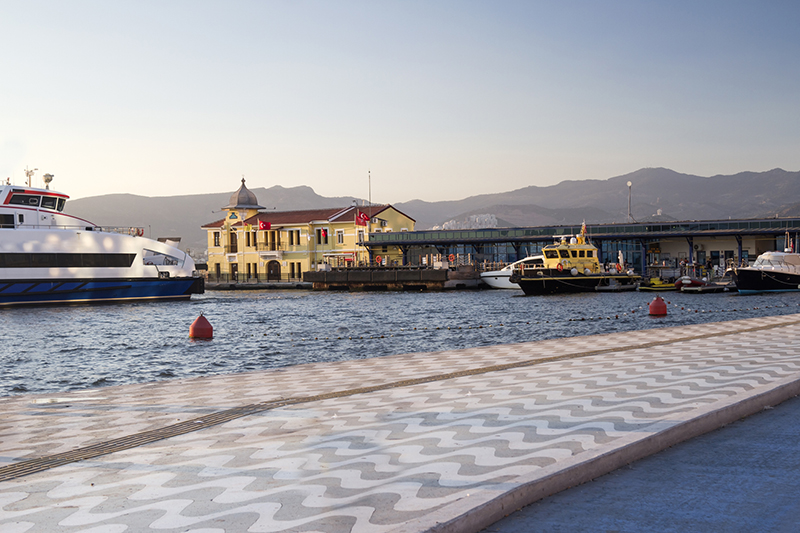
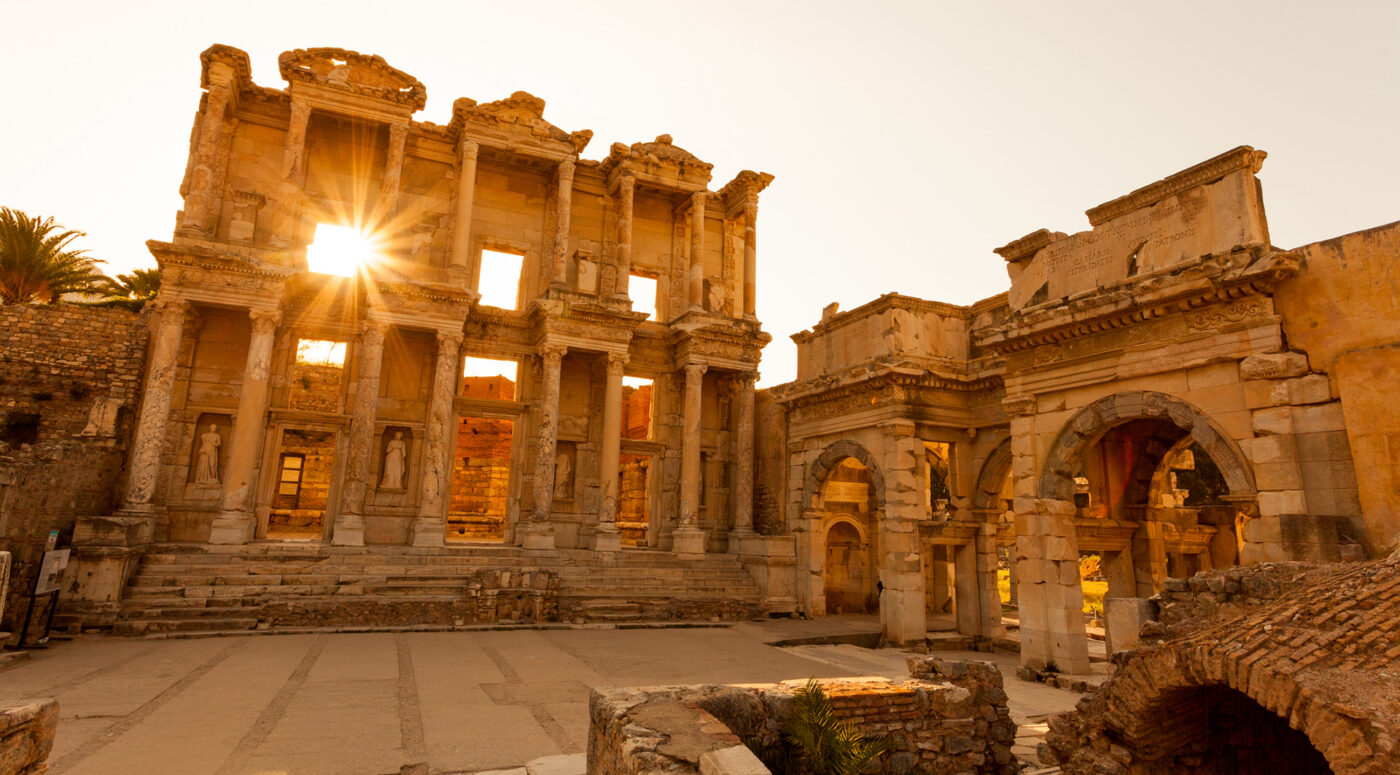
The ruins of Ephesus and the bustling waterfront of Izmir may seem worlds apart, yet both are connected by a remarkable continuity of culture. For thousands of years, this stretch of the Aegean coast has been shaped by Greek settlers, Roman administrators, Byzantine communities, and Ottoman merchants. Each civilization left behind more than monuments—they left habits, traditions, and ways of life that continue to influence the region today.
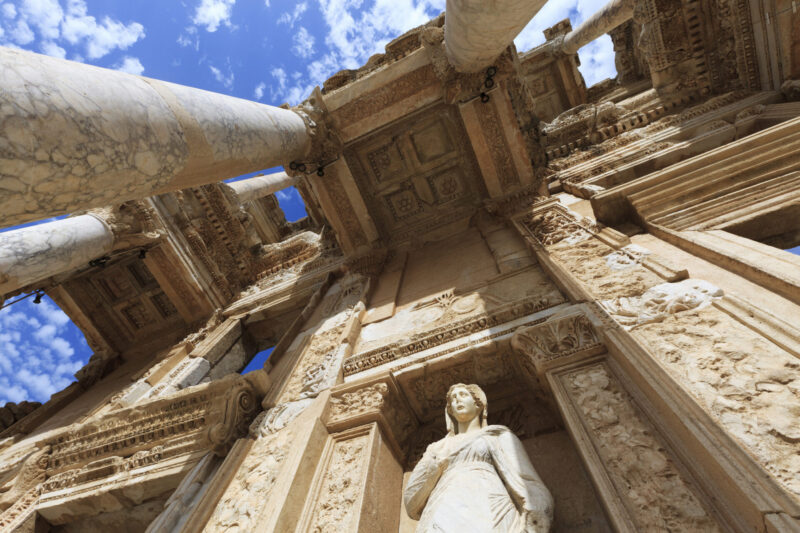
Visitors often arrive to admire the grand ruins of Ephesus or the lively streets of modern Izmir, but a closer look reveals something deeper. Ancient marketplaces still define commercial centers, public gathering spaces continue to anchor community life, and traditions of hospitality remain central to daily culture.
These enduring practices offer a glimpse into how the legacy of past empires survives not only in stone, but in the rhythms of everyday life.
FROM ANCIENT MARKETPLACE TO MODERN BAZAAR
The Agora Tradition
In the ancient world, the agora was more than a marketplace. It served as the social, political, and commercial heart of a city—a place where citizens gathered to exchange ideas, conduct business, and participate in public life.
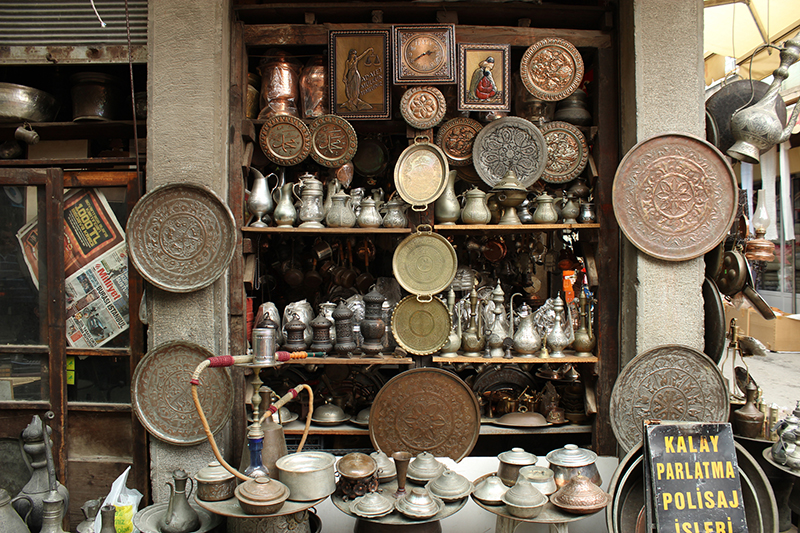
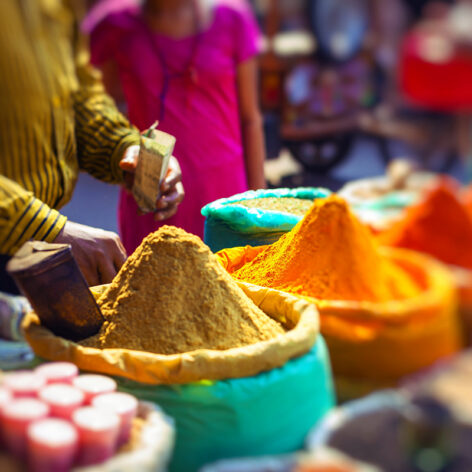
That tradition remains alive in Izmir today. The historic Kemeraltı Bazaar, one of Türkiye’s oldest commercial districts, continues to function much like the agoras of antiquity. Narrow lanes are filled with merchants selling spices, textiles, jewelry, and local specialties, while cafés and tea houses provide places for conversation and social exchange.